Learn how stainless steel chimney liners protect Bristol County homes while improving heating efficiency and reducing energy costs during harsh New England winters.
Share:
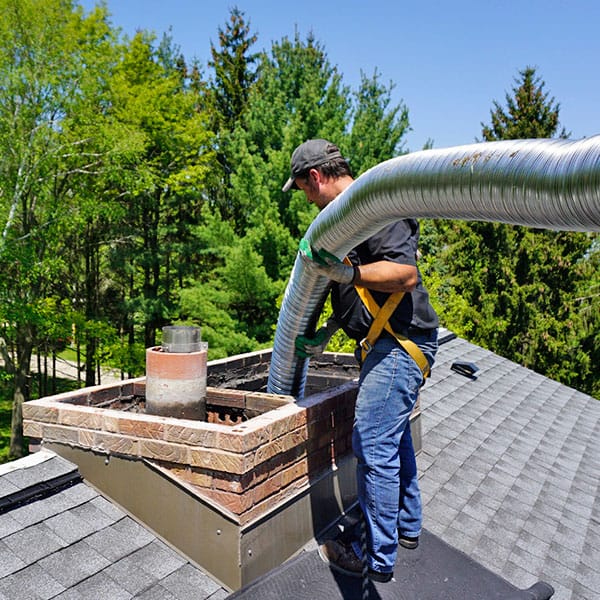
Bristol County’s unique climate creates specific challenges for chimney systems that many homeowners don’t fully understand. The combination of coastal moisture, salt air, and New England’s harsh freeze-thaw cycles puts extra stress on your chimney’s internal structure.
Without proper protection, these conditions accelerate deterioration and create safety risks. Your chimney faces moisture infiltration that weakens masonry, temperature extremes that crack clay tiles, and salt air that speeds up corrosion of metal components.
Most older homes in the area were built with oversized clay tile liners or no liners at all. These systems simply can’t handle today’s efficient heating appliances or provide the protection your family deserves.
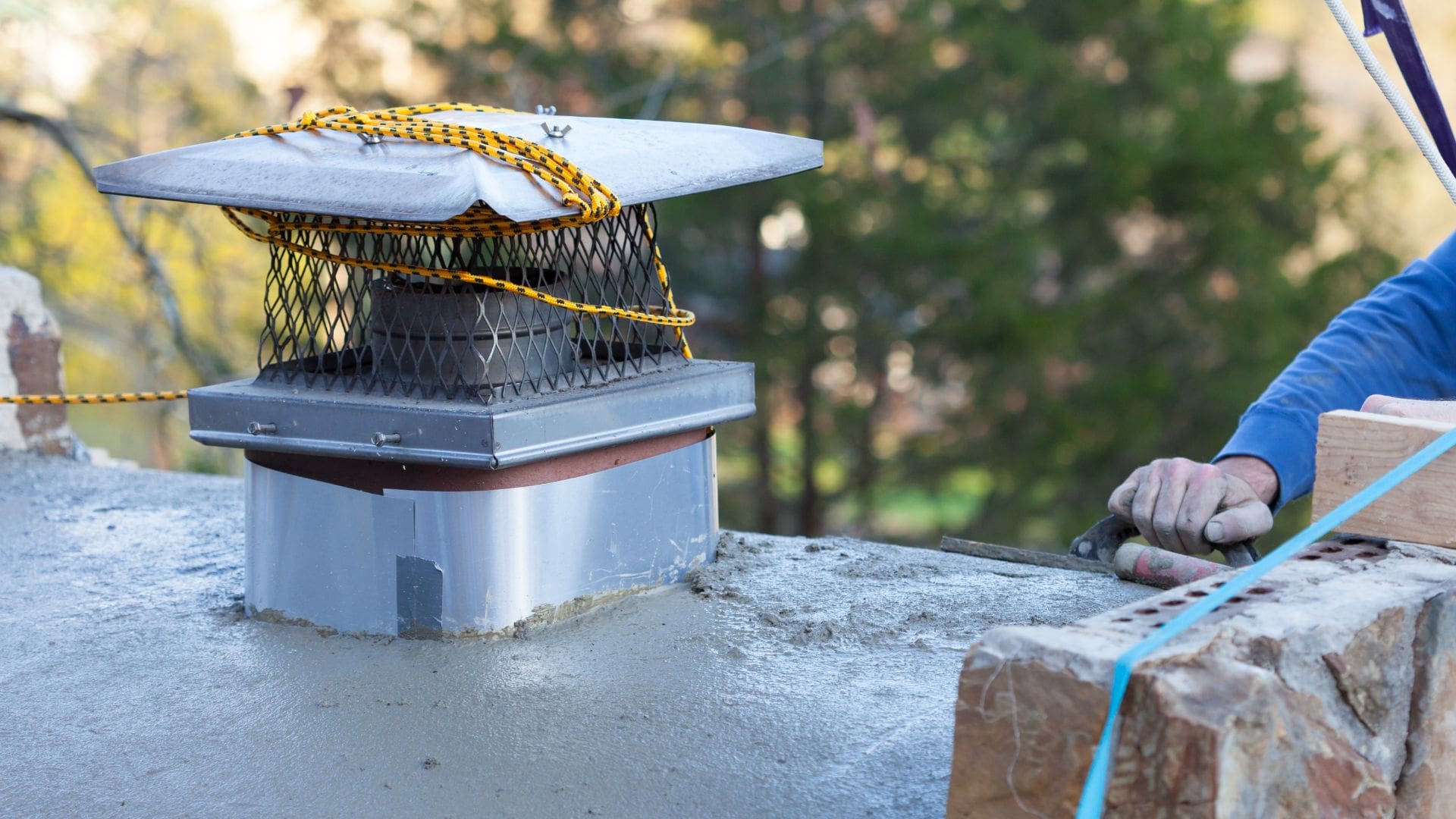
Living near the coast means your chimney battles conditions that inland homes never face. Salt air doesn’t just affect your car—it accelerates corrosion of any metal components in your chimney system, including dampers, caps, and older liners.
The constant moisture from ocean air creates perfect conditions for masonry deterioration. When water penetrates your chimney’s brick and mortar, it expands during freezing temperatures, creating cracks that let in even more moisture. This cycle continues until structural damage becomes expensive to repair.
Bristol County’s freeze-thaw patterns are particularly harsh on clay tile liners. These tiles crack when water freezes in hairline fractures, eventually allowing dangerous gases to seep into your home’s structure. What starts as a small crack becomes a major safety hazard over time.
Traditional clay systems also struggle with the types of wood commonly burned in this region. Local hardwoods create specific creosote patterns that build up faster in damaged or improperly sized flues. This buildup reduces efficiency and increases fire risk.
Modern stainless steel liners solve these problems by resisting corrosion, handling temperature extremes, and providing a smooth surface that prevents dangerous buildup. We specifically engineer these systems for coastal conditions like those found throughout Bristol County.
Many Bristol County homeowners don’t realize how much money they’re losing to an inefficient chimney system. Poor draft means your fireplace burns less efficiently, requiring more wood to produce the same amount of heat. You’re literally watching money go up the chimney.
When your flue is oversized or damaged, cold air rushes down your chimney even when you’re not using the fireplace. This creates downdrafts that force your heating system to work harder, increasing your energy bills throughout the winter months.
Inefficient combustion also creates more creosote buildup, which requires more frequent professional cleaning. Most homeowners with properly lined chimneys need cleaning once per year, while those with poor systems often need service twice annually.
The bigger hidden cost comes from avoiding necessary repairs. What starts as poor draft or occasional smoke backup often signals underlying problems that become expensive if ignored. Water damage from a compromised chimney can affect your home’s structure, requiring thousands in repairs.
Insurance companies increasingly require proper chimney maintenance and code compliance. If your system doesn’t meet current standards, you could face coverage issues if something goes wrong. A quality liner installation protects both your family and your financial investment.
Energy efficiency improvements from proper lining typically pay for themselves within a few heating seasons through reduced fuel costs and fewer service calls.
The right chimney liner transforms your fireplace from an energy drain into an efficient heating source. Stainless steel liners create proper draft conditions that allow complete combustion, meaning you get more heat from every piece of wood you burn.
Proper sizing is crucial for efficiency. An oversized flue allows gases to cool too quickly, reducing draft and creating conditions for creosote formation. A correctly sized stainless steel liner maintains optimal temperatures for strong, consistent draft.
Insulated liners provide even greater efficiency benefits by keeping flue gases hot throughout their journey up the chimney. This maintains strong draft and prevents condensation that can damage your chimney structure.
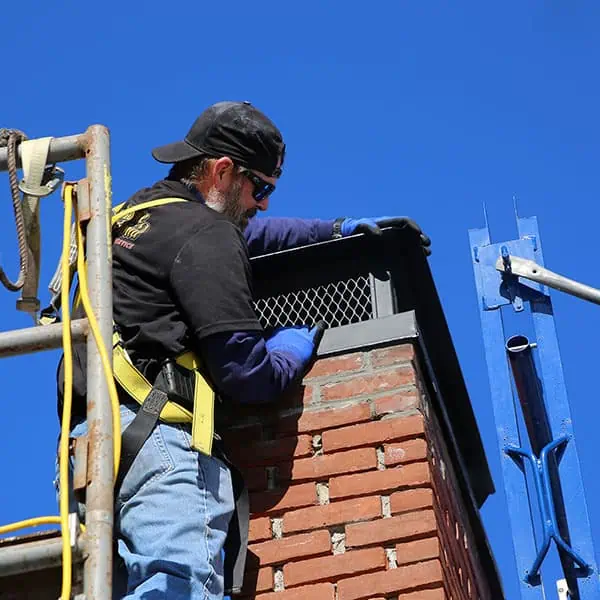
Draft is the driving force behind efficient fireplace operation, and it depends entirely on your chimney liner’s condition and sizing. When gases exit your fireplace, they need to travel up and out quickly to create the vacuum that pulls in fresh combustion air.
A smooth stainless steel surface allows gases to flow efficiently without turbulence. Clay tiles, especially cracked ones, create rough surfaces that slow gas movement and reduce draft strength. This means incomplete combustion, more smoke, and less heat production.
Properly sized liners create the right velocity for your specific appliance. Wood stoves, gas fireplaces, and traditional fireplaces all require different flue sizes for optimal performance. A liner that’s too large allows gases to cool and slow down, while one that’s too small creates back-pressure.
Temperature maintenance is critical for consistent draft. Stainless steel liners heat up quickly when you start a fire and maintain temperature better than masonry alone. This creates reliable draft from the moment you light your fire until it burns out.
Insulation around your liner takes performance to the next level. It keeps the entire system warmer, reduces the time needed to establish strong draft, and maintains consistent performance even in cold weather. This means easier fire starting, cleaner burning, and better heat output.
The result is a fireplace that works the way it should—drawing strongly, burning efficiently, and heating your home instead of just looking pretty.
Unlined or poorly lined chimneys act like giant straws sucking heated air out of your home. Even when your fireplace isn’t in use, air movement through an unsealed chimney system wastes the energy you’re paying to heat your living space.
Stainless steel liners, especially insulated ones, create a thermal barrier that reduces this energy loss. The liner itself provides some insulation, while wrap-around insulation creates an even more effective barrier between your heated home and the cold chimney structure.
This insulation works both ways. During heating season, it keeps warm air from escaping up your chimney. During summer, it prevents hot air from entering your home through the chimney, reducing your cooling costs.
Proper sealing at both ends of the liner eliminates the air leaks that waste energy. A well-installed system includes sealed connections at the appliance and a properly fitted top plate that prevents air infiltration from above.
The temperature differential between Bristol County’s cold winters and your warm home creates significant energy loss potential. An unlined masonry chimney conducts cold directly into your home’s envelope. Insulated stainless steel liners break this thermal bridge.
Many homeowners notice immediate improvements in their home’s comfort level after liner installation. Rooms near the chimney feel warmer, and heating systems don’t cycle as frequently. These comfort improvements translate directly into energy savings that continue for the liner’s entire 15-20 year lifespan.
Your chimney liner might be invisible, but its impact on your family’s safety, comfort, and energy costs is undeniable. Bristol County’s challenging coastal climate demands protection that only quality stainless steel liners can provide.
The investment in proper liner installation pays dividends through improved efficiency, reduced maintenance costs, and most importantly, peace of mind knowing your family is protected from dangerous gas leaks and fire hazards. With 15-20 years of reliable performance, you’re making a decision that protects your home’s value and your family’s wellbeing.
Don’t wait for poor performance or safety issues to force your hand. Contact Above and Beyond Chimney to discuss how the right stainless steel liner can transform your fireplace into the efficient, safe heating source it should be.
Article details:
Share:
Continue learning: