Chimney flashing failure is the leading cause of roof and ceiling leaks in Providence homes, but knowing the warning signs can save you thousands.
Share:

Proper chimney flashing creates a critical waterproof seal where your roof meets the masonry of your chimney, preventing leaks that can lead to extensive structural damage, mold growth, and deterioration of interior finishes. Think of it as the gasket that keeps water from finding its way into the most vulnerable spot on your roof.
Chimney flashing consists of layered metal pieces that cover the vulnerable area where your roof meets your chimney. Without this protection, every rainstorm becomes a potential disaster for your home’s interior.
But here’s what most homeowners don’t realize: The harsh New England weather conditions, with freezing winters and rainy springs, make quality chimney flashing particularly important for Providence homeowners, especially those with historic properties in the city’s designated preservation districts.
Providence’s weather is particularly hard on chimneys. Those freeze-thaw cycles that crack sidewalks also damage chimney crowns. Heavy spring rains test every seal. Your chimney flashing faces a relentless assault from conditions that would challenge any building material.
Water gets into tiny gaps, freezes, expands, and creates bigger openings. After a few seasons, what started as a minor seal issue becomes a major leak. This isn’t a gradual process—it accelerates with each winter cycle.
Coastal moisture and salt air also accelerate corrosion of metal flashing components. Many older Providence homes have galvanized flashing that’s reached the end of its useful life and needs replacement with more durable materials. If your home is more than 15 years old, your flashing might be living on borrowed time.
The combination is particularly brutal. Salt air accelerates metal corrosion while freeze-thaw cycles crack masonry throughout the winter months. Your flashing doesn’t just wear out—it gets systematically destroyed by forces working together to find every weakness in your roof system.
Poor initial installation is another common cause. Flashing that wasn’t properly integrated with your roof system or sealed correctly will fail prematurely. We see this frequently in homes where roofing work was done without proper attention to the chimney interface. Even quality materials fail when installed incorrectly.
Flashing leaks typically cause water stains that appear during or right after heavy rains, often in a pattern that follows your roofline where it meets the chimney. These stains are your early warning system—ignore them and you’re asking for trouble.
Water stains on rafters or sheathing near the chimney indicate failed flashing that’s allowing moisture intrusion. These leaks may appear intermittent, showing up only during heavy rain or when snow melts. The intermittent nature fools many homeowners into thinking the problem isn’t serious.
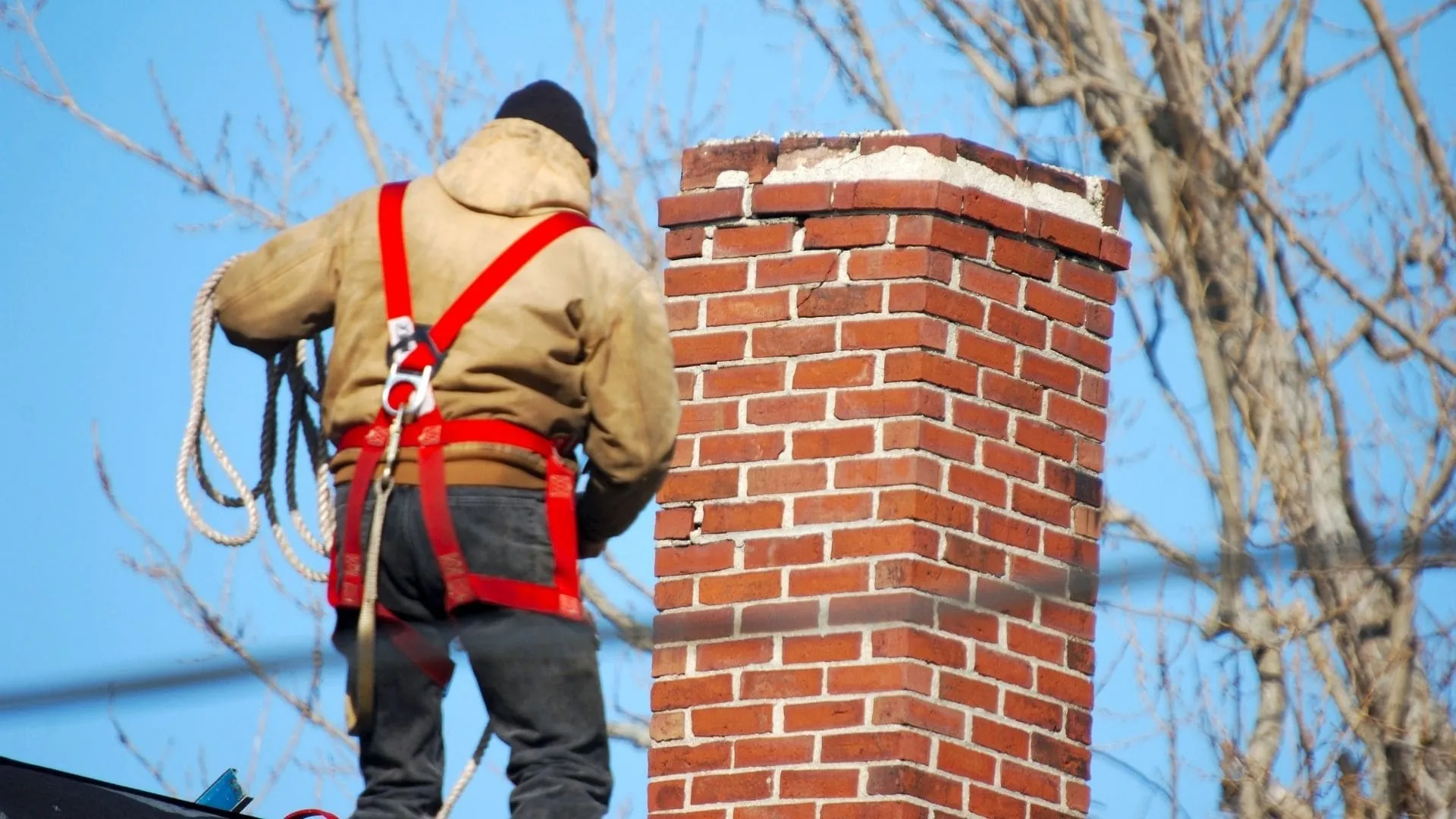
Look for these specific warning signs around your home: visible cracks in the chimney’s exterior masonry, loose or missing mortar between bricks, rust stains on the chimney cap or flashing, and white staining on the outside of the chimney (called efflorescence).
White, powdery deposits (efflorescence) on chimney bricks signal that moisture is moving through the masonry and bringing mineral salts to the surface as it evaporates. This isn’t just cosmetic—it means water is already penetrating your chimney system.
Attic inspections often reveal chimney flashing problems before they become visible in living spaces. If you’re comfortable checking your attic, look for water stains on the wood framing around your chimney penetration.
Dampness around chimney penetrations can lead to mold growth and wood rot. Look for musty odors or discolored insulation as potential indicators. These signs mean the problem has progressed beyond simple flashing repair.
The tricky part about chimney leaks is location. Water doesn’t always show up where it enters. It can travel along wooden frames or behind drywall before you notice it, which is why professional inspection matters when you suspect a problem.
Effectively fixing a leaking chimney hinges on accurately identifying the water’s pathway. Is the metal flashing around the chimney base compromised? That requires work to fix chimney flashing. Real repair starts with real diagnosis, not guesswork.
First, we find the real source of your leak. Most companies guess—we investigate. Is water coming through damaged flashing around your chimney base? Is it seeping through porous bricks? Different problems need different solutions. Next, we explain exactly what’s happening and why.
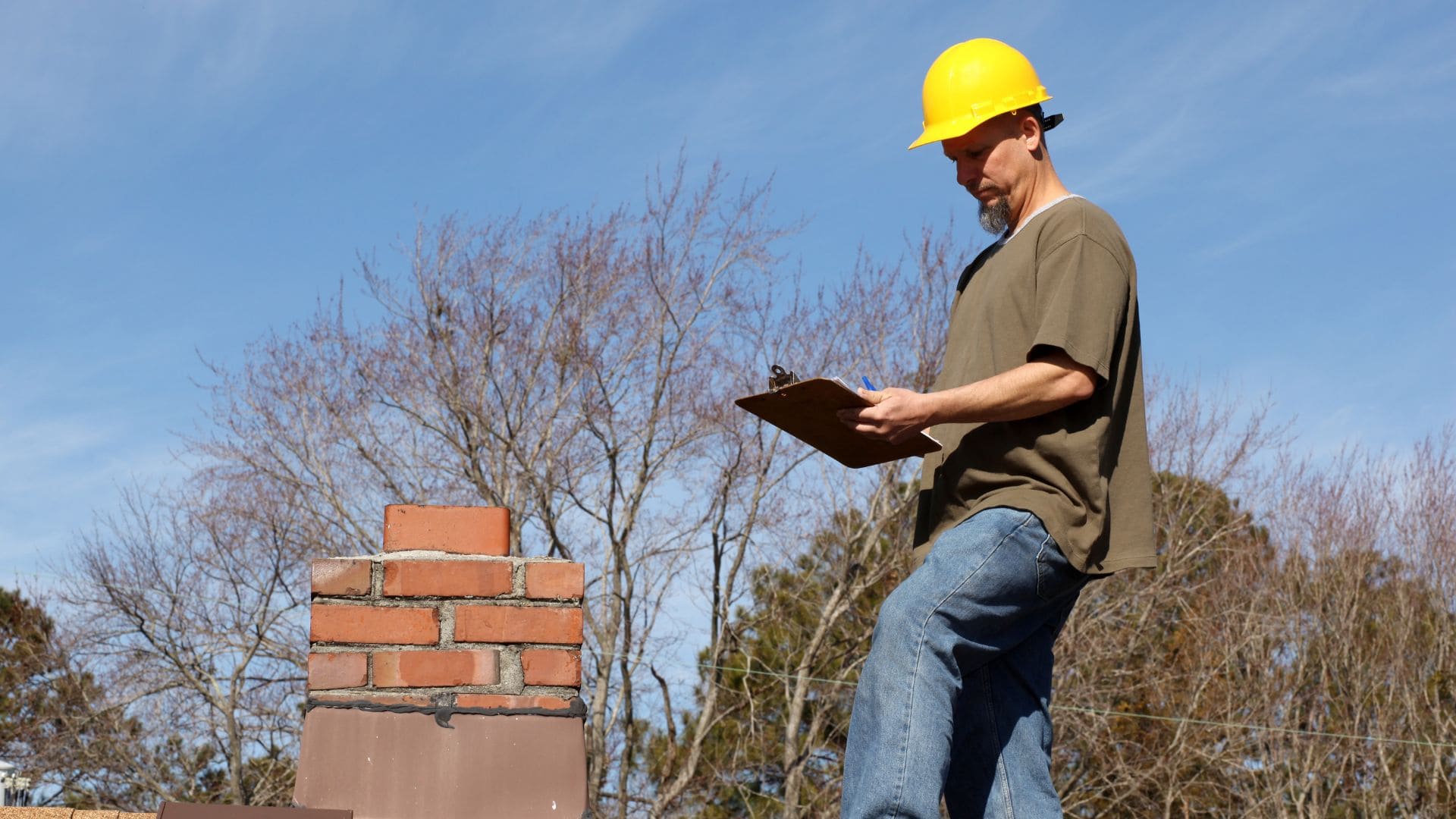
Our certified chimney inspections meticulously examine your chimney system. We check the condition of the crown, look for gaps in mortar, assess the bricks for porosity, and examine the flashing installation. This comprehensive approach catches problems that surface-level inspections miss.
We use materials that work in Rhode Island’s climate—breathable sealants that prevent spalling, corrosion-resistant flashing metals, and concrete mixes with freeze-thaw additives. Generic materials that work elsewhere often fail spectacularly in our coastal environment.
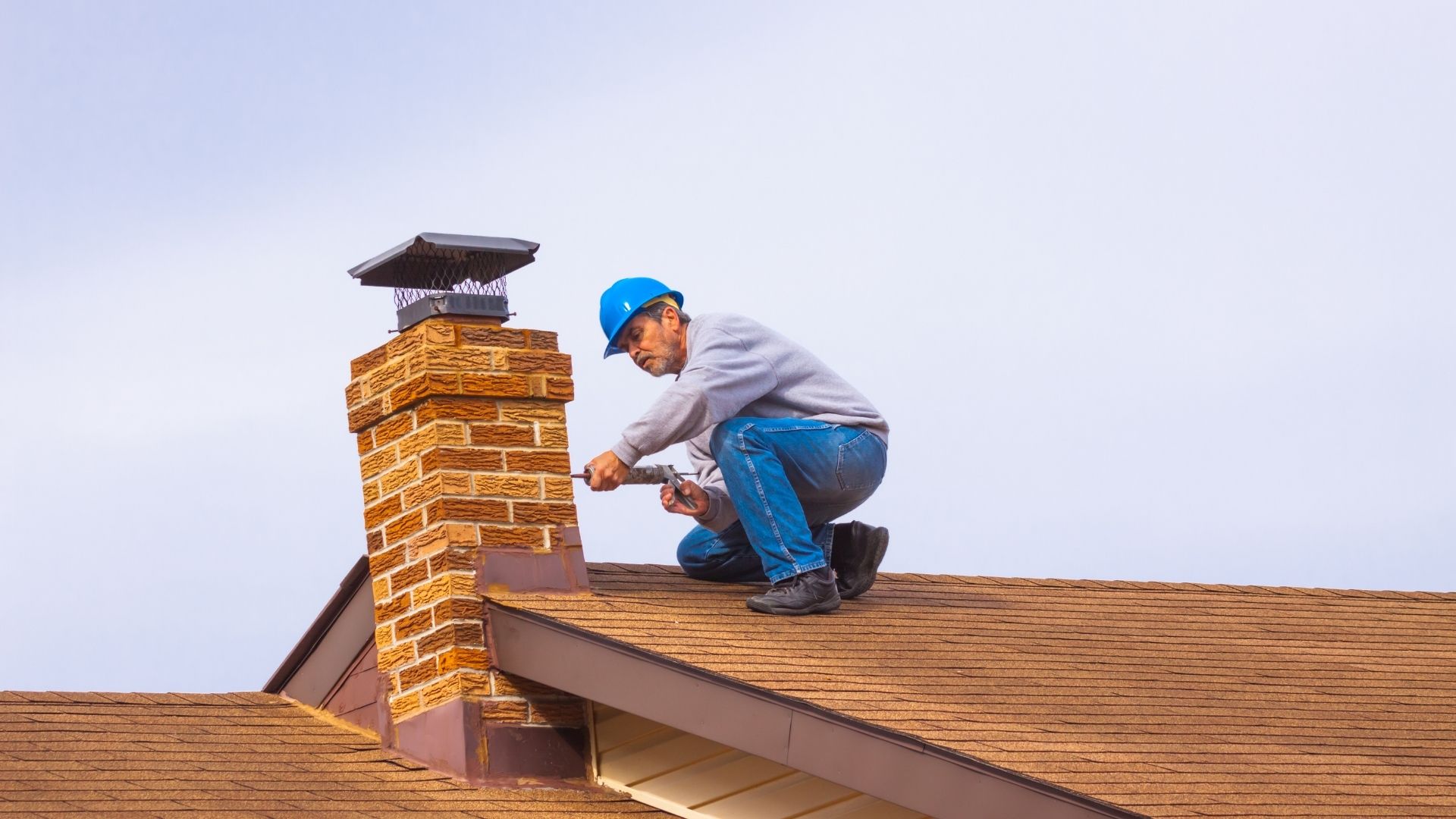
When we fix chimney flashing, we use high-grade materials resistant to corrosion, installed with precision to create a watertight seal against your roof. This involves careful cutting, fitting, and sealing techniques specific to your chimney’s shape and roof type.
This typically covers step flashing (L-shaped pieces woven into roof shingles along the chimney sides), apron flashing (a single piece at the downhill base), and counter flashing (metal embedded into the chimney’s mortar joints, overlapping the step/apron flashing). During chimney flashing repair or replacement, each piece must be precisely cut, fitted, and layered. The counter flashing detail, correctly embedded into the mortar, is important for preventing water from getting behind the primary flashing components. Our chimney flashing services ensure that this complex system is installed for maximum water protection in Providence County homes.
The material choice matters enormously in our climate. Our experienced technicians are skilled in working with various flashing materials including copper, galvanized sheet metal, and terne-coated stainless steel – all historically appropriate options for Providence’s architectural heritage.
For issues like a chimney leaking through brick, we select breathable, penetrating sealants appropriate for the Rhode Island climate. These don’t just coat the surface but bond within the masonry pores to block water while letting vapor escape, preventing spalling from freeze-thaw cycles. This approach addresses both immediate leaks and long-term durability.
Our repairs are specifically designed to handle Rhode Island’s freeze-thaw cycles and coastal moisture. The longevity depends on using the right materials for each situation. Breathable sealants that allow vapor movement while blocking liquid water. Flashing materials chosen for corrosion resistance.
Most homeowners spend between $800-2,500 for common repairs like crown work, flashing replacement, or moderate masonry restoration. The wide range comes down to what’s actually wrong with your chimney. The investment makes sense when you consider the alternative.
A small flashing issue that costs $400 to fix today becomes a $2,000+ structural repair if water damages the wooden frame around your chimney. We’ve seen minor leaks turn into major restoration projects when homeowners waited too long. The math is simple: early intervention saves money.
Simple flashing repairs might cost $400-600, while extensive masonry work or complete crown replacement can reach $1,000-3,000. The key factor is catching problems early. Time works against you with chimney leaks.
Properly executed chimney leak repairs should last 10-20 years or more, depending on the materials used and local weather conditions. Quality work pays for itself by eliminating repeated repair calls.
We understand that chimney flashing repair can be a significant expense for homeowners, so we strive to keep our prices competitive without compromising the quality of our service. We also offer transparent pricing, so there are no surprises for our clients.
The real cost isn’t the repair—it’s what happens when you don’t repair. Without proper flashing, you risk masonry deterioration, staining on walls and ceilings, rotting woodwork, and more serious structural issues. Professional repair stops this cascade of damage before it starts.
Why professional repair beats DIY: DIY repairs often fail because homeowners treat symptoms instead of causes. That caulk you applied might stop one leak while forcing water to find another path. Professional repair means finding all entry points and using appropriate materials for Rhode Island’s climate conditions.
Chimney flashing problems don’t fix themselves, and Rhode Island’s weather makes them worse every season. The water stain you’re ignoring today becomes structural damage tomorrow. But understanding what you’re dealing with puts you in control of the situation.
Professional chimney flashing repair addresses the root cause, not just the symptoms. When done right with materials designed for our climate, repairs last decades and protect your home’s value. The investment in proper flashing repair pays for itself by preventing the expensive damage that comes from water intrusion.
Contact us immediately when you notice any signs of water intrusion around your chimney. Don’t wait for the next rain storm to “see how bad it gets.” Every weather cycle that passes allows more water into your home’s structure. We understand Providence’s unique challenges and have the experience to fix your flashing problems right the first time.
Article details:
Share:
Continue learning: