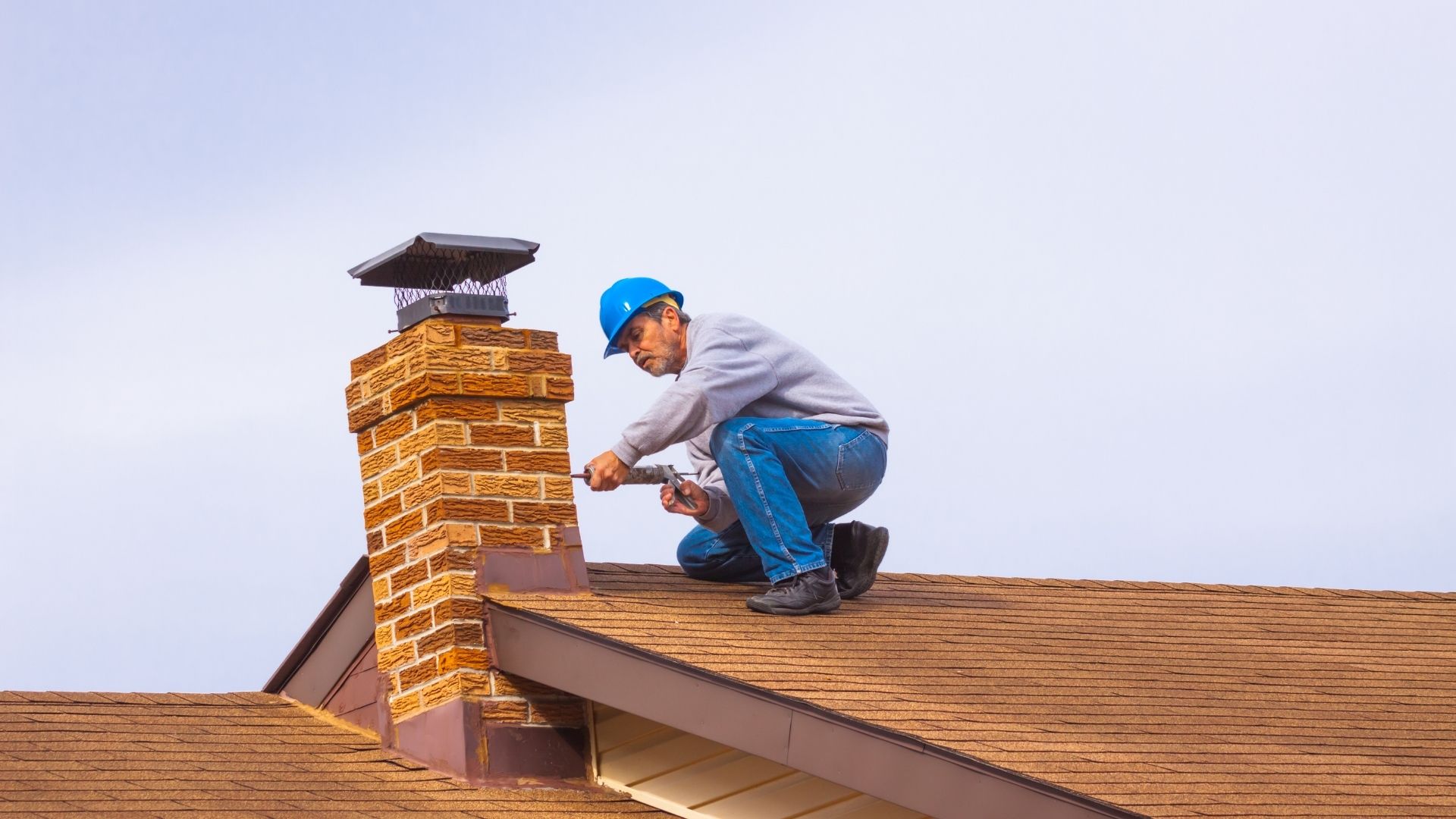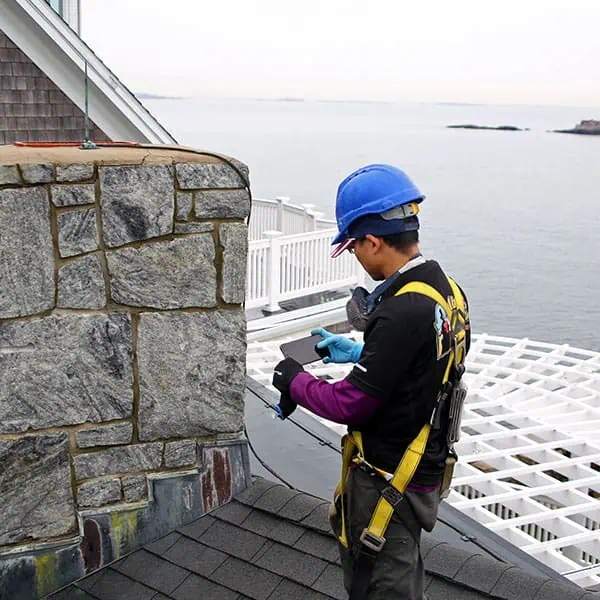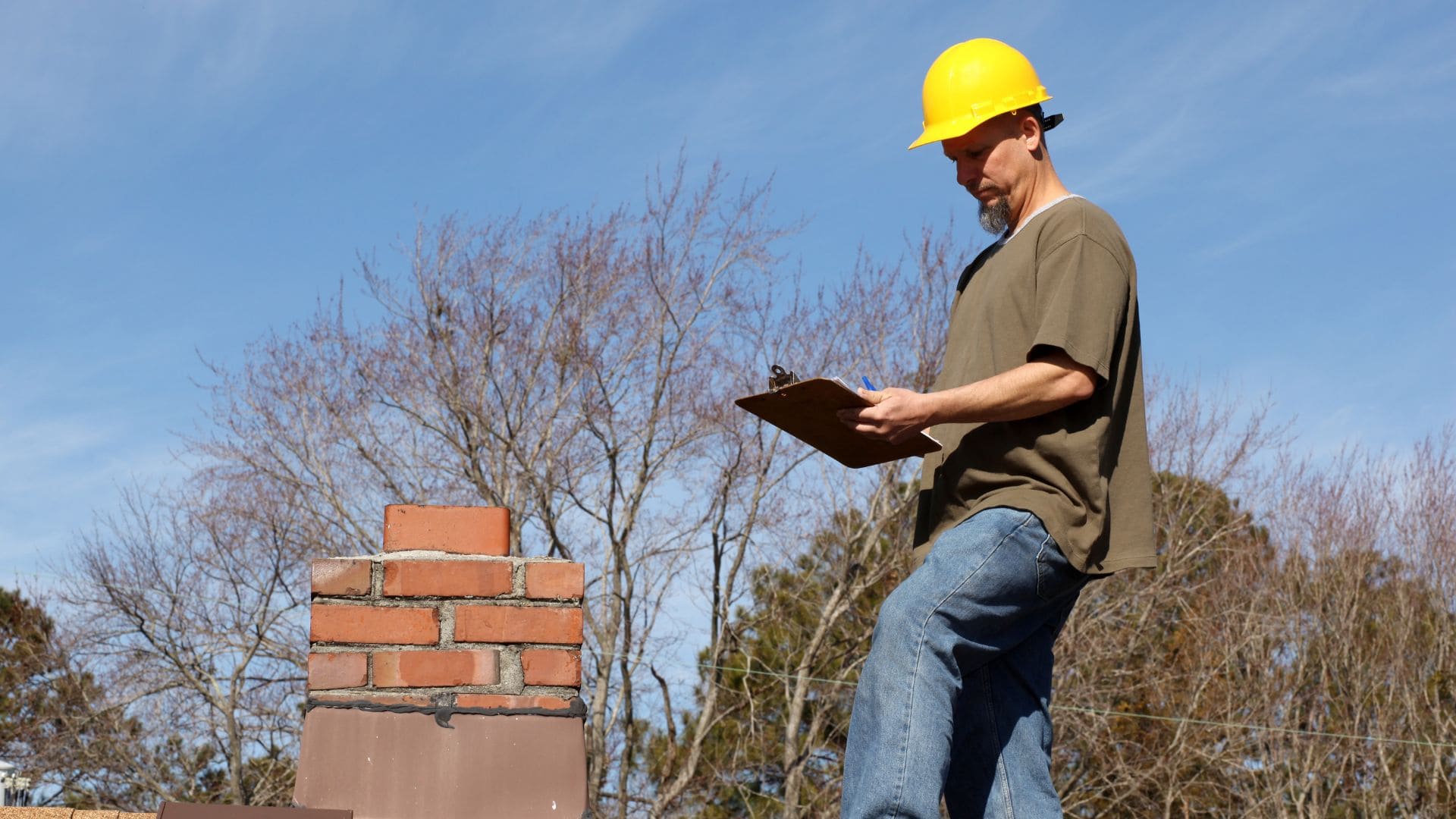
Everything Providence County homeowners need to know about protecting their chimneys from New England's harsh freeze-thaw cycles through professional waterproofing.
Share:
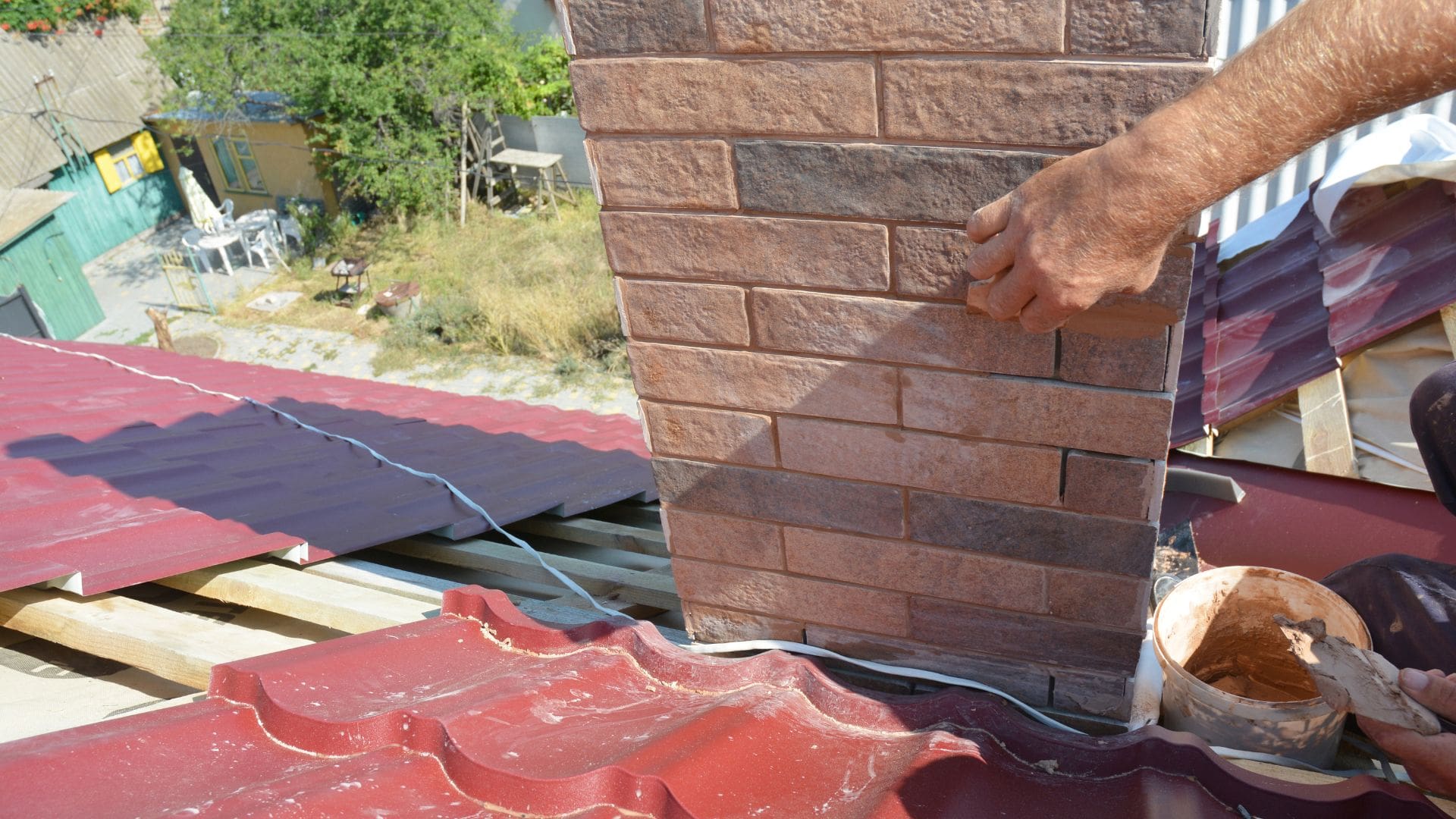
Rhode Island’s climate creates the perfect storm for chimney damage. Unlike regions with consistently cold winters, our temperatures frequently jump between below freezing and above freezing, especially during March’s transition period.
This freeze-thaw cycle is devastating to masonry. Water seeps into the tiny pores of your bricks and mortar joints. When temperatures drop, that water freezes and expands by 9%, creating internal pressure that cracks and weakens the masonry from the inside out.
The Chimney Safety Institute of America calls water the biggest enemy of masonry chimneys—and for good reason. Without protection, this cycle repeats dozens of times each winter, gradually destroying your chimney’s structural integrity.
Picture your chimney bricks as tiny sponges. Throughout New England’s wet seasons, they absorb moisture from rain, snow, and humidity. This seems harmless until winter arrives.
When temperatures drop below freezing, the water trapped inside your masonry turns to ice. Ice takes up more space than water—about 9% more. This expansion creates tremendous pressure inside the brick, pushing outward and creating microscopic cracks.
Come spring, the ice melts and evaporates, leaving behind slightly larger spaces for even more water to collect. The next freeze-thaw cycle affects a larger area with more water, creating bigger cracks and more damage.
This process, called spalling, causes the face of bricks to flake off and mortar joints to crumble. You might notice white, chalky deposits (efflorescence) on your chimney exterior—that’s mineral residue left behind when water evaporates, a clear sign that water is moving through your masonry.
Over time, this damage compounds. What starts as minor surface cracks can lead to loose bricks, crumbling mortar, and in severe cases, structural instability that requires complete chimney rebuilding.
Water damage doesn’t stop at your chimney’s exterior. Once moisture penetrates the masonry, it travels throughout your chimney system, affecting multiple components and potentially your home’s interior.
Inside your chimney, water can rust metal components like dampers, making them difficult or impossible to operate. It can damage your flue liner, compromising your chimney’s ability to safely vent smoke and gases. Moisture can also seep into surrounding wooden structures, causing rot and creating conditions for mold growth.
Perhaps most concerning for Providence County homeowners is structural damage. Water infiltration weakens the mortar that holds your chimney together. As mortar joints fail, bricks can shift or fall out entirely. In extreme cases, chimneys can lean or even collapse, potentially damaging your roof, siding, or worse.
The financial impact is significant. Minor repairs that might cost a few hundred dollars can balloon into thousands when water damage is left unchecked. Complete chimney rebuilds can cost $10,000 or more—money that could be saved with preventive waterproofing.
Beyond repair costs, water damage can affect your home’s value and insurability. Many insurance companies require proper chimney maintenance, and visible water damage can complicate home sales or refinancing.
Effective chimney waterproofing requires the right materials applied correctly. The key is using vapor-permeable sealants that block liquid water while allowing trapped moisture vapor to escape—essentially letting your chimney breathe while staying dry.
Professional-grade silane-siloxane compounds are the gold standard for chimney waterproofing. These penetrate deep into masonry pores, creating an invisible barrier that repels water while maintaining the natural appearance of your brickwork. Unlike paint or non-permeable sealers, these products won’t trap moisture inside your chimney.
The application process involves thorough cleaning, surface preparation, and precise application techniques that ensure complete coverage and proper adhesion.
While waterproofing products are available to homeowners, professional application offers significant advantages, especially for Providence County’s challenging climate conditions.
We bring specialized equipment, including low-pressure sprayers that ensure even coverage without oversaturation. We understand proper surface preparation, including pressure washing at appropriate PSI levels and allowing adequate drying time before application.
Perhaps most importantly, we can identify underlying issues that need repair before waterproofing. Applying sealant over damaged masonry can actually trap water and worsen problems. A thorough inspection reveals cracks that need filling, mortar joints requiring repointing, or flashing issues that must be addressed first.
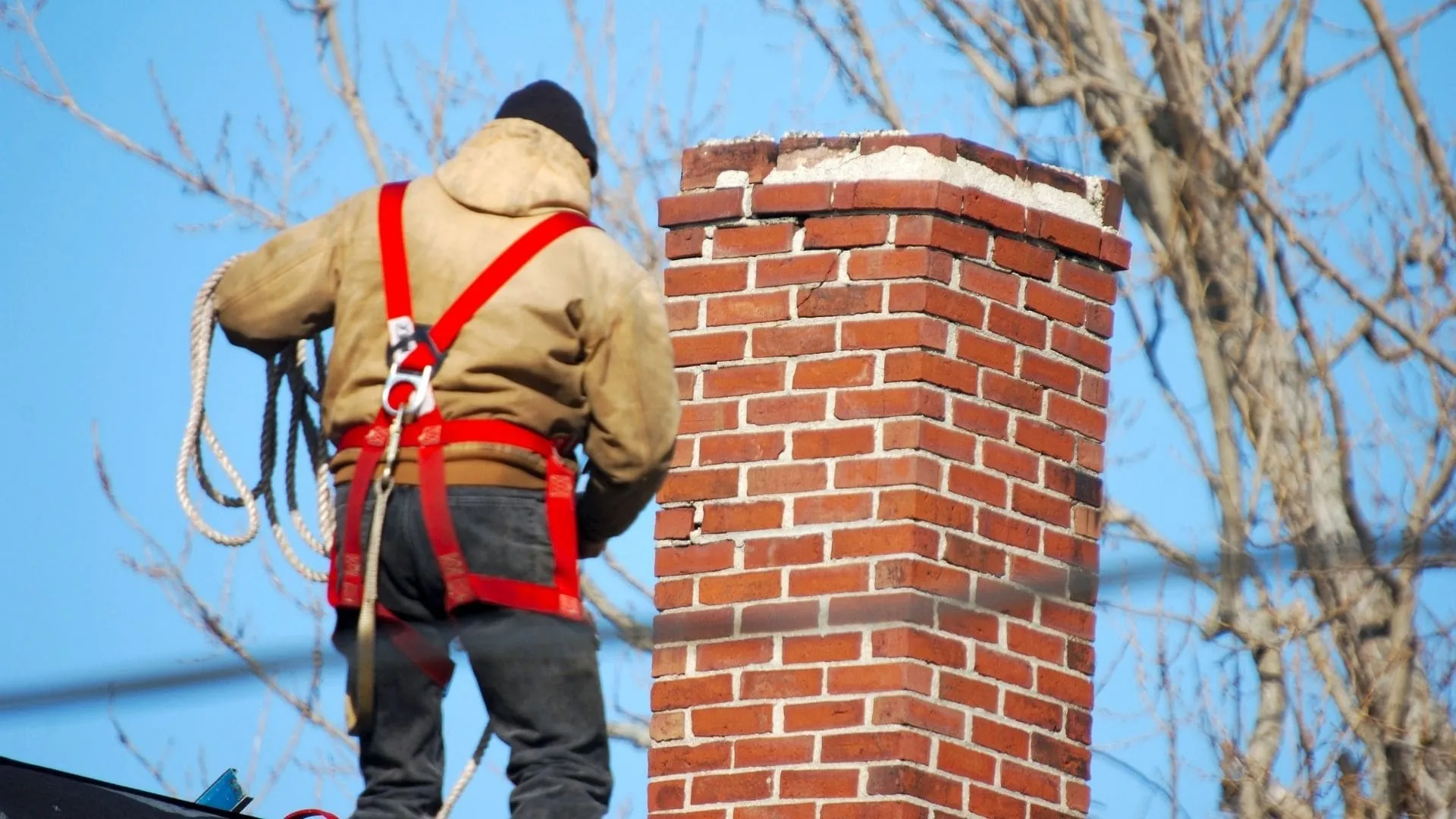
Safety is another critical factor. Chimney work requires working at height on potentially slippery surfaces. The Chimney Safety Institute of America recommends that homeowners avoid roof work without proper safety equipment and consider professional services for complex waterproofing tasks.
Professional application also comes with warranties and guarantees. If problems arise, you have recourse and support rather than starting over with DIY repairs.
Quality chimney waterproofing isn’t a one-time fix—it’s an investment in long-term protection that requires understanding its lifespan and maintenance needs.
Professional-grade sealants typically last 5-10 years, depending on exposure conditions and application quality. Water-based formulations generally provide 5-7 years of protection, while solvent-based options can last 10-15 years. Elastomeric coatings applied to chimney crowns often provide the longest protection, lasting 10-15 years.
Several factors affect longevity in Providence County’s climate. Our freeze-thaw cycles, coastal moisture, and seasonal weather patterns can impact sealant performance. South-facing chimneys may experience faster degradation due to UV exposure, while chimneys in heavily wooded areas might face challenges from organic debris and moisture retention.
Regular maintenance extends waterproofing effectiveness. Annual inspections help identify early signs of wear, such as water stains reappearing or efflorescence forming on previously treated surfaces. Addressing minor issues promptly prevents major problems and maximizes your waterproofing investment.
Most professionals recommend reapplication every 5-7 years as preventive maintenance, rather than waiting for visible signs of failure. This proactive approach ensures continuous protection and prevents the water damage that waterproofing is designed to prevent.
Chimney waterproofing isn’t just about preventing leaks—it’s about protecting one of your home’s most vulnerable structural elements from New England’s challenging climate. The freeze-thaw cycles that define our winters will continue year after year, making professional waterproofing an essential part of responsible homeownership.
The investment in quality waterproofing pays dividends through extended chimney life, prevented emergency repairs, and peace of mind during harsh weather. With professional-grade materials lasting 5-10 years and potentially saving thousands in repair costs, waterproofing offers excellent value for Providence County homeowners.
Don’t wait for visible damage to appear. If your chimney hasn’t been waterproofed in the last five years, or if you’re seeing early warning signs like white stains or minor cracks, it’s time to take action. We understand New England’s unique challenges and can help protect your home with professional waterproofing solutions designed for our climate.
Article details:
Share:
Continue learning: