Older homes in Bristol County face unique chimney challenges. This guide covers inspections, liner installations, masonry repairs, and maintenance strategies to protect your historic property.
Share:
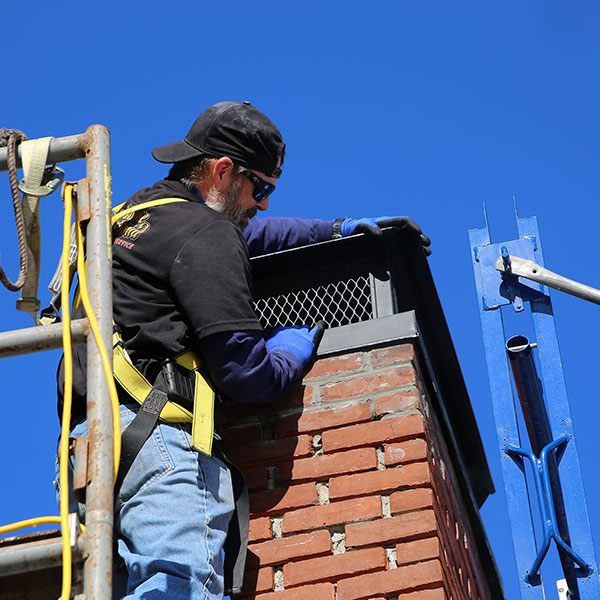
If your home was built before modern building codes required chimney liners, you’re not alone. Roughly a third of Bristol County homes date back to before 1940, and many were constructed without the safety features we consider standard today.
A proper chimney inspection does more than check for creosote buildup. It identifies structural issues, missing components, and deterioration that’s invisible from your living room. For older homes, this becomes critical because problems compound quickly once water finds its way in.
Bristol County’s climate accelerates this process. Freeze-thaw cycles crack mortar joints. Coastal salt air corrodes metal components. And once moisture penetrates historic masonry, the damage spreads faster than in newer construction because older materials weren’t designed to handle trapped water the way modern systems are.
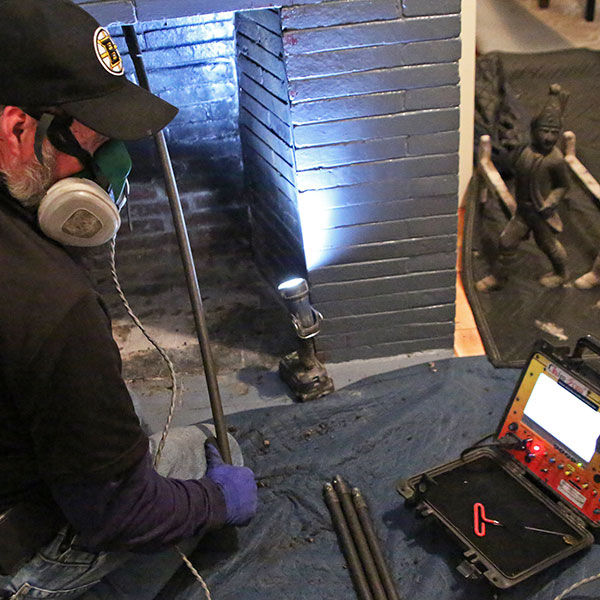
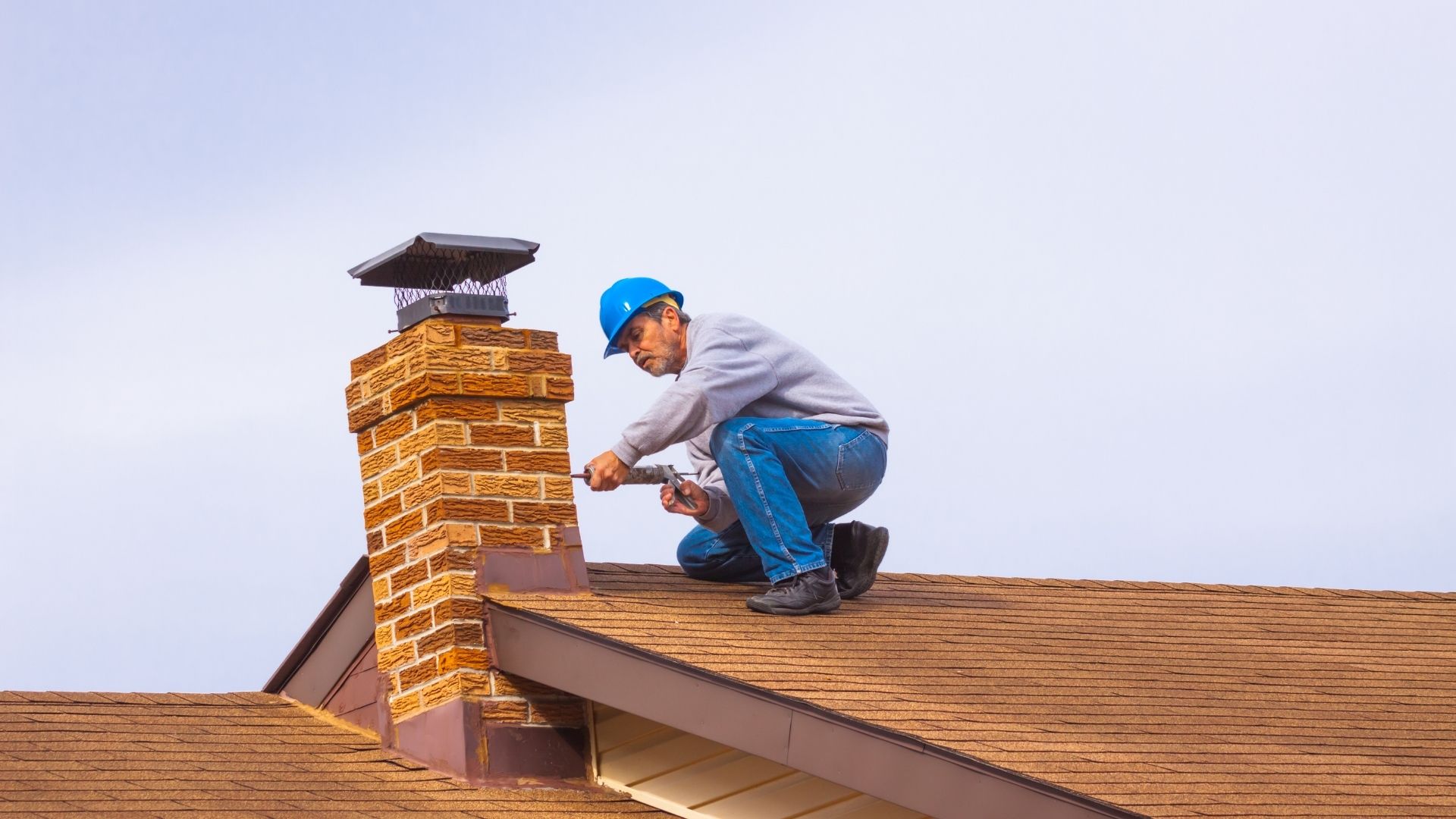
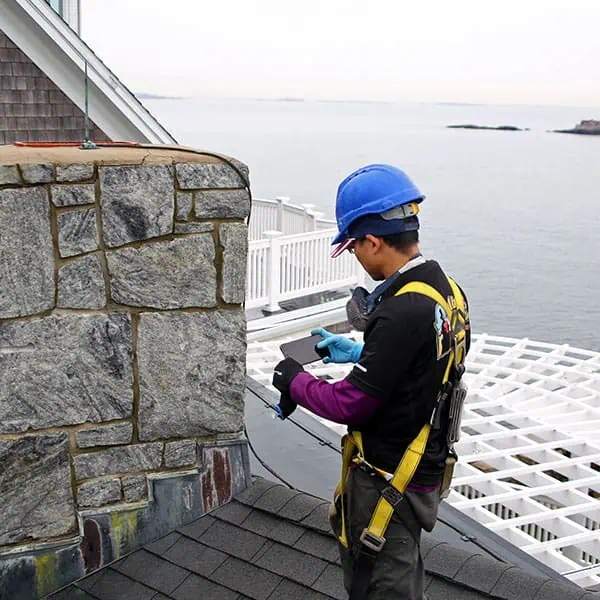
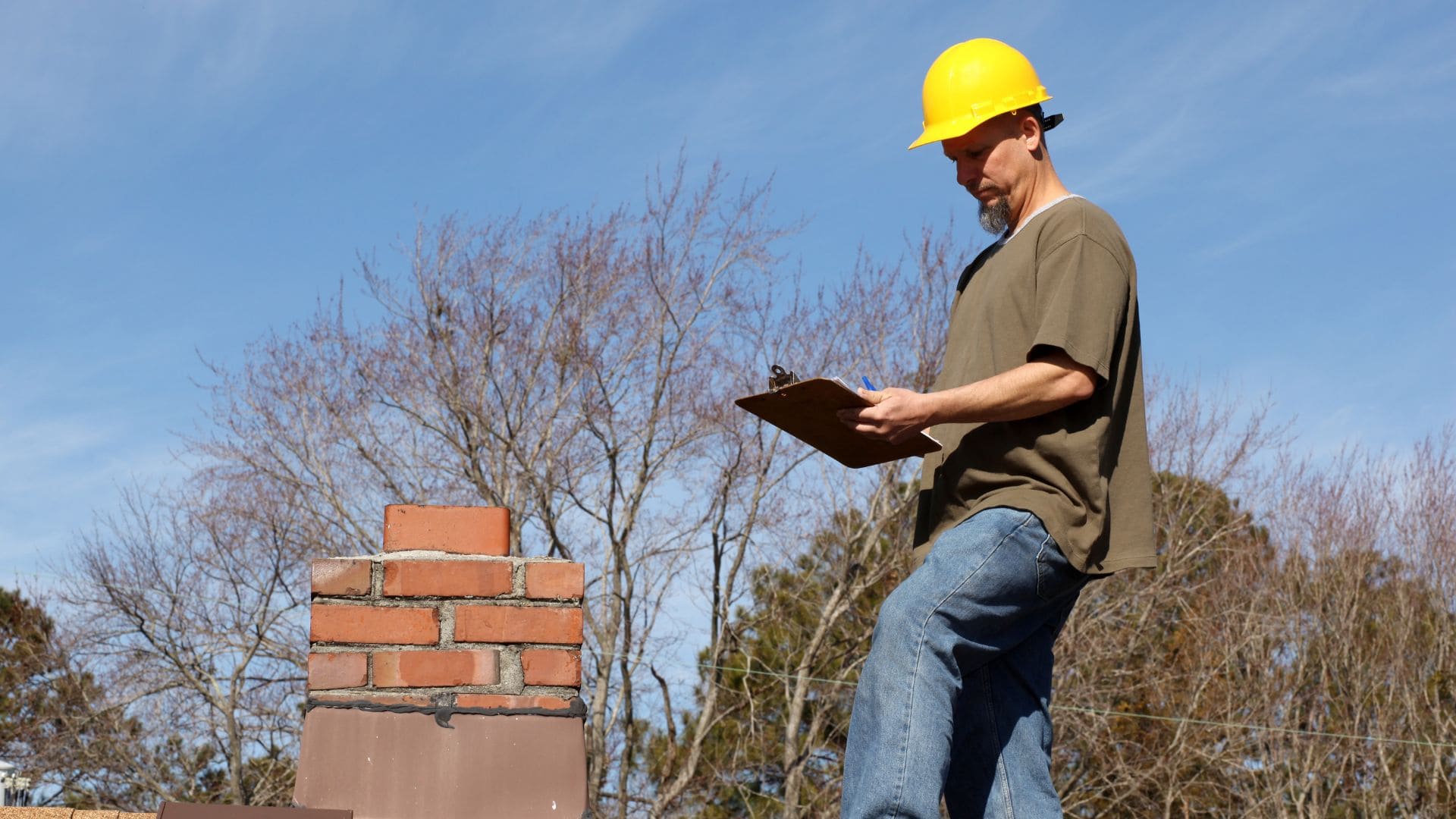
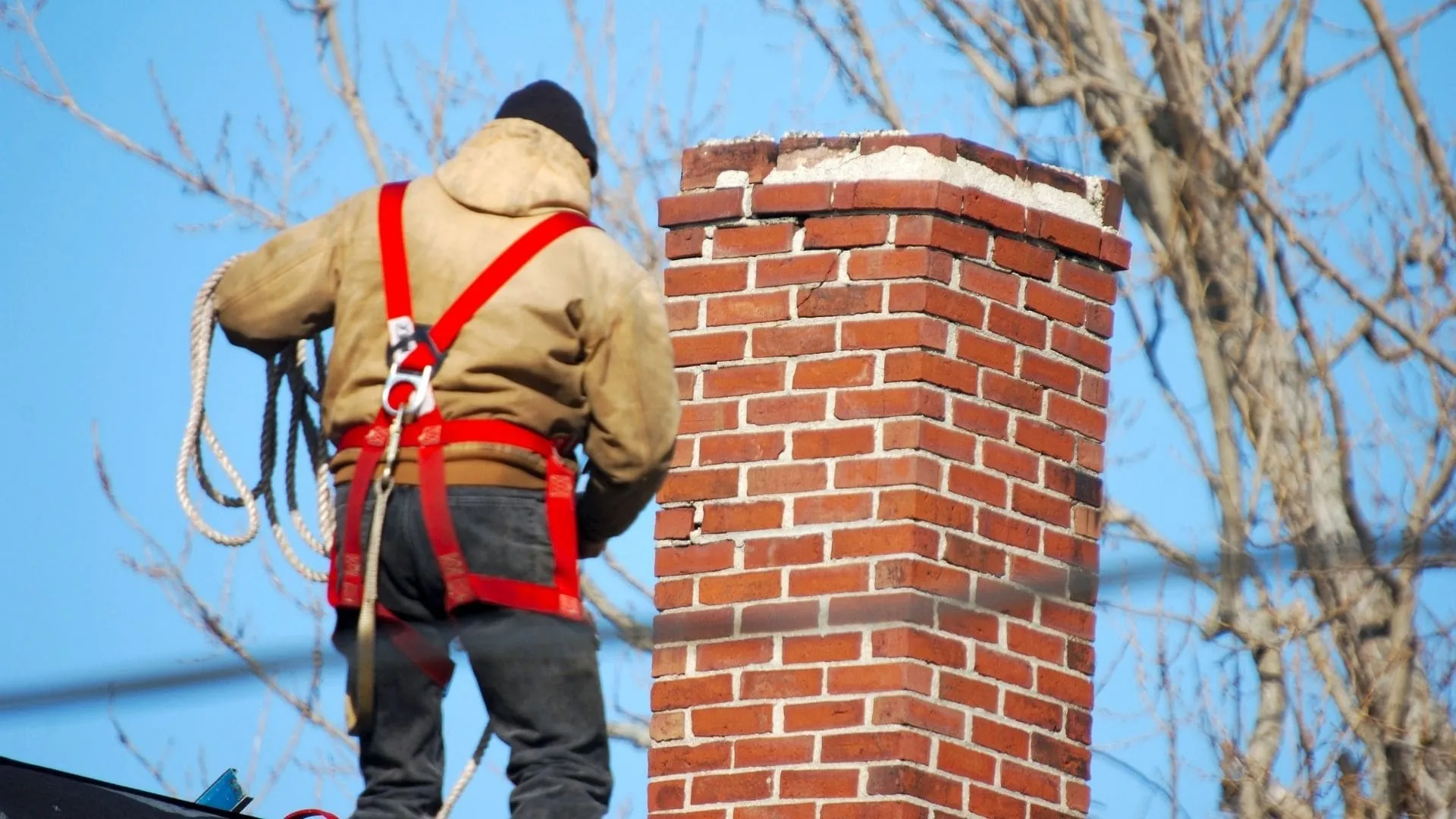
A comprehensive inspection examines your entire chimney system, not just the parts you can see. The process starts outside with the chimney crown, cap, and flashing—the first line of defense against water intrusion. We check for cracks, missing pieces, and signs of deterioration that let moisture in.
Then we move to the exterior masonry, looking for spalling bricks, crumbling mortar, and efflorescence—that white, powdery staining that signals water is moving through your brickwork. In older homes, this often reveals improper past repairs where someone used Portland cement on soft historic brick, trapping moisture and accelerating damage.
The interior inspection uses specialized video cameras to examine your flue liner from top to bottom. Many older chimneys have clay tile liners that crack from decades of freeze-thaw cycles. Some have no liner at all, which was common in homes built before the mid-1900s but creates serious fire and carbon monoxide risks today.
We also evaluate your damper operation, smoke chamber condition, and firebox integrity. We’re looking for anything that compromises your chimney’s ability to safely vent smoke and gases outside while keeping water, animals, and cold air from coming in. For historic properties in towns like Taunton, New Bedford, and Fall River, this inspection often reveals code compliance issues that affect insurance coverage and property value.
The inspection typically includes documentation with photos showing exactly what’s wrong and why it matters. This becomes valuable when planning chimney repairs, dealing with insurance claims, or preparing for a home sale. Level 1 inspections cover readily accessible areas and cost $100 to $250. Level 2 inspections include video scanning of the entire flue and run $200 to $600, but they’re essential when buying an older home or after any event that could have damaged your chimney.
Certain problems show up repeatedly in older Bristol County homes, and recognizing them helps you understand what you’re dealing with. Missing or deteriorated chimney liners top the list. If your chimney was built before the 1950s, there’s a real possibility it has no liner or only a deteriorating clay tile system that’s cracked from decades of use.
Without a proper liner, the heat from your fireplace or heating system can transfer directly to combustible materials in your walls. The acidic compounds in smoke can eat away at your masonry from the inside. And toxic gases, including carbon monoxide, can seep through cracks into your living spaces instead of venting safely outside.
Deteriorating mortar joints are another constant issue in historic chimneys throughout Bristol County. Many older chimneys used lime mortar, which is softer and more flexible than modern Portland cement. That flexibility was actually a feature—it allowed the chimney to expand and contract without cracking. But lime mortar also breaks down faster, especially when exposed to the harsh weather common in coastal areas like New Bedford or inland communities like Attleboro.
The problem gets worse when someone tries to repair lime mortar with modern cement. Portland cement is harder and less porous than the surrounding historic brick. Water that would normally evaporate through lime mortar gets trapped behind the cement patches, freezes, and causes the surrounding bricks to spall and crack. It’s a well-intentioned repair that makes the problem worse.
Chimney crowns on older homes often show significant cracking. The crown is the concrete cap at the top of your chimney that sheds water away from the flue opening. Over time, normal expansion and contraction create cracks that let water pour straight down into your chimney structure. Once water gets in, it damages everything it touches—the liner, the masonry, the interior walls, even your home’s framing.
Flashing failures are equally common. Flashing is the metal barrier that seals the gap where your chimney meets your roof. On older homes, the original flashing has often corroded, pulled away, or was never installed correctly in the first place. Water enters at this vulnerable point and causes damage to your roof deck, attic insulation, and interior walls before you even realize there’s a problem. This is particularly common in Bristol County due to the combination of coastal salt air and winter weather.
Many historic chimneys also lack proper caps. A chimney cap is a simple metal cover with mesh sides that sits on top of your flue. It keeps rain from falling directly down your chimney, prevents animals from nesting inside, and stops downdrafts that can blow smoke back into your home. Older chimneys were often built without them, leaving the entire system exposed to the elements year-round.
Once you know what’s wrong, the question becomes what to fix and in what order. Not every issue requires immediate attention, but some problems accelerate quickly if you wait. Water damage tops that list.
Any repair that stops water from entering your chimney should happen first. That means addressing cracked crowns, damaged flashing, and missing caps before moving on to cosmetic issues. Water is your chimney’s biggest enemy, and every day it has access to your masonry and liner, the damage spreads.
The specific repairs your chimney needs depend on what the inspection revealed, but certain fixes come up repeatedly in older Bristol County homes. Understanding what each repair involves helps you plan and budget appropriately.
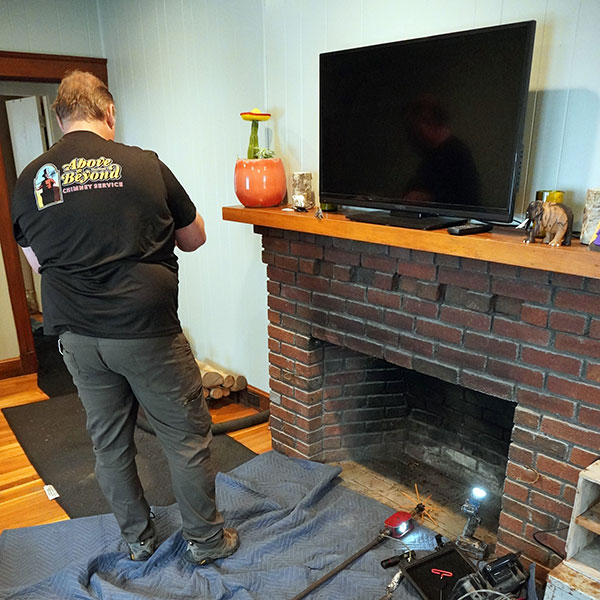
If your inspection revealed a missing or damaged liner, this repair should be your top priority. A chimney liner creates a safe, contained path for smoke and gases to exit your home. It protects your masonry from heat and corrosive byproducts. And it prevents carbon monoxide from seeping through cracks into your living spaces.
For older homes without existing liners, installation typically involves inserting a stainless steel flexible liner down through your existing chimney from the top. The liner connects to your fireplace or heating appliance at the bottom and extends through your chimney crown at the top, where it’s sealed and capped. Insulation often wraps the liner to improve draft and reduce creosote buildup.
Stainless steel liners are the most common choice for relining older chimneys. They’re durable, work with any fuel type, and can navigate the bends and offsets common in historic chimney construction. They typically last 15 to 20 years and come with warranties that cover fire damage when properly installed.
The installation process starts with a thorough inspection using video cameras to assess your chimney’s interior condition. We measure the height and diameter needed, then determine whether your chimney requires any prep work before the liner goes in. Sometimes damaged masonry needs repair first. Other times, the existing clay tiles need removal if they’re broken and blocking the way.
Once the chimney is ready, we lower the flexible liner down from the roof, connect it at the bottom, and seal it at the top. We insulate the liner if needed, install a new cap designed for lined chimneys, and test the system to ensure proper draft. The entire process typically takes one to two days for a standard residential chimney.
Cost varies based on your chimney’s height, diameter, and condition, but expect to invest $2,500 to $7,000 for a complete liner installation in Bristol County. That might sound steep, but compare it to the cost of a chimney fire, carbon monoxide poisoning, or the structural damage that results from years of unprotected use. A proper liner is one of the most important safety investments you can make in an older home.
For chimneys with existing clay tile liners that are cracked but still structurally sound, relining options include installing a new stainless steel liner inside the old one or using specialized repair systems that seal and reinforce the existing tiles. The right approach depends on the extent of damage and your chimney’s specific configuration.
Masonry repairs address the bricks and mortar that form your chimney’s structure. For older Bristol County homes, this often means repointing deteriorated mortar joints, replacing spalled bricks, and repairing or replacing damaged crowns—all critical work that prevents water infiltration and structural failure.
Repointing, also called tuckpointing, involves carefully removing old, crumbling mortar and replacing it with fresh material. The key with historic chimneys is matching the original mortar composition. If your chimney was built with lime mortar, the repair should use lime mortar too. Mixing mortar types creates problems because the different materials expand and contract at different rates, leading to cracks and trapped moisture.
The repointing process starts by grinding out deteriorated mortar to a specific depth—usually about three-quarters of an inch. Then new mortar is packed into the joints in layers, with each layer allowed to set before the next goes in. The final layer is tooled to match the original joint profile and create a weather-tight seal. Done correctly, repointing restores your chimney’s structural integrity and stops water infiltration before it causes more damage. Expect to pay $500 to $2,500 for repointing work depending on your chimney’s size and the extent of deterioration.
Spalled bricks—where the face of the brick cracks and flakes off—require replacement. This happens when water penetrates the brick, freezes, and breaks the surface apart from the inside. Bristol County’s freeze-thaw cycles make this especially common in older chimneys. The damaged bricks are carefully removed and replaced with matching units that blend with the surrounding masonry. Individual brick replacement typically costs $10 to $20 per brick plus labor.
Chimney crown repair or replacement addresses cracks and deterioration in the concrete cap at the top of your chimney. Small cracks can be sealed with specialized crown repair compounds that remain flexible as the chimney expands and contracts. These repairs typically cost $300 to $700 and prevent water from entering through the damaged areas.
More extensive crown damage requires full replacement. The old crown is removed, and a new one is formed using concrete mixed with additives that resist cracking from freeze-thaw cycles. The new crown slopes away from the flue opening to shed water and extends slightly beyond the chimney’s edges to create a drip edge. Crown replacement runs $1,800 to $3,000 but provides decades of protection when done correctly.
Chimney flashing repair is equally critical for preventing chimney leak issues. Flashing is the layered metal system that seals the vulnerable gap where your chimney meets your roof. Over time, flashing can corrode, pull away from the chimney or roof, or develop gaps that allow water to enter. Repairing damaged flashing typically costs $300 to $800, while complete flashing replacement runs $800 to $1,800 depending on your chimney’s size and roof accessibility.
Chimney cap installation provides essential protection against water, animals, and debris. A quality stainless steel or copper cap costs $150 to $600 installed and prevents rain from falling directly down your flue, keeps birds and squirrels from nesting inside, and reduces downdrafts that can blow smoke into your home. For older chimneys that were built without caps, this simple addition prevents thousands of dollars in future water damage.
Waterproofing often follows masonry repairs. A breathable waterproofing sealer is applied to the exterior masonry to repel water while still allowing moisture vapor to escape. This prevents water from entering the brickwork but doesn’t trap moisture inside the way non-breathable sealers do. Waterproofing typically costs $150 to $600 and extends the life of your masonry repairs by protecting them from Bristol County’s harsh weather.
Older homes in Bristol County require more than reactive repairs. The climate here is hard on chimneys, and historic construction methods, while beautiful and durable in their time, need proper maintenance to remain safe and functional by today’s standards.
Start with an annual chimney inspection, especially if you use your fireplace regularly or have a heating system that vents through your chimney. Catching small issues early prevents them from becoming expensive emergencies. Address water intrusion immediately—cracked crowns, damaged flashing, and missing caps should be fixed as soon as you discover them. Schedule your chimney sweep and maintenance before the heating season starts, not after problems develop.
If your chimney lacks a proper liner, make that installation a priority. And when repairs are needed, work with professionals who understand historic chimney construction and use appropriate materials and techniques. The right repairs done correctly will protect your home, preserve its character, and give you peace of mind for years to come.
We specialize in historic chimney restoration and repair throughout Bristol County, bringing the experience and local knowledge needed to properly maintain older properties.
Article details:
Share:
Continue learning: