Providence homeowners face unique chimney leak challenges after heavy rain due to coastal weather and freeze-thaw cycles affecting masonry and flashing systems.
Share:

One of the biggest causes for leaking chimneys is when there is no chase cover, crown, or cap, which can lead to rainwater getting inside and snow accumulating on top. But even with these components in place, Providence’s weather creates specific vulnerabilities.
Providence County’s harsh winters and freeze-thaw cycles create unique challenges for chimney systems, with water damage from these cycles causing deteriorating masonry, structural issues, and safety hazards. This constant expansion and contraction opens up pathways for water that weren’t there when your chimney was new.
The coastal location adds another layer of complexity. Salt air accelerates the deterioration of metal components, while humidity works its way into mortar joints throughout the year.
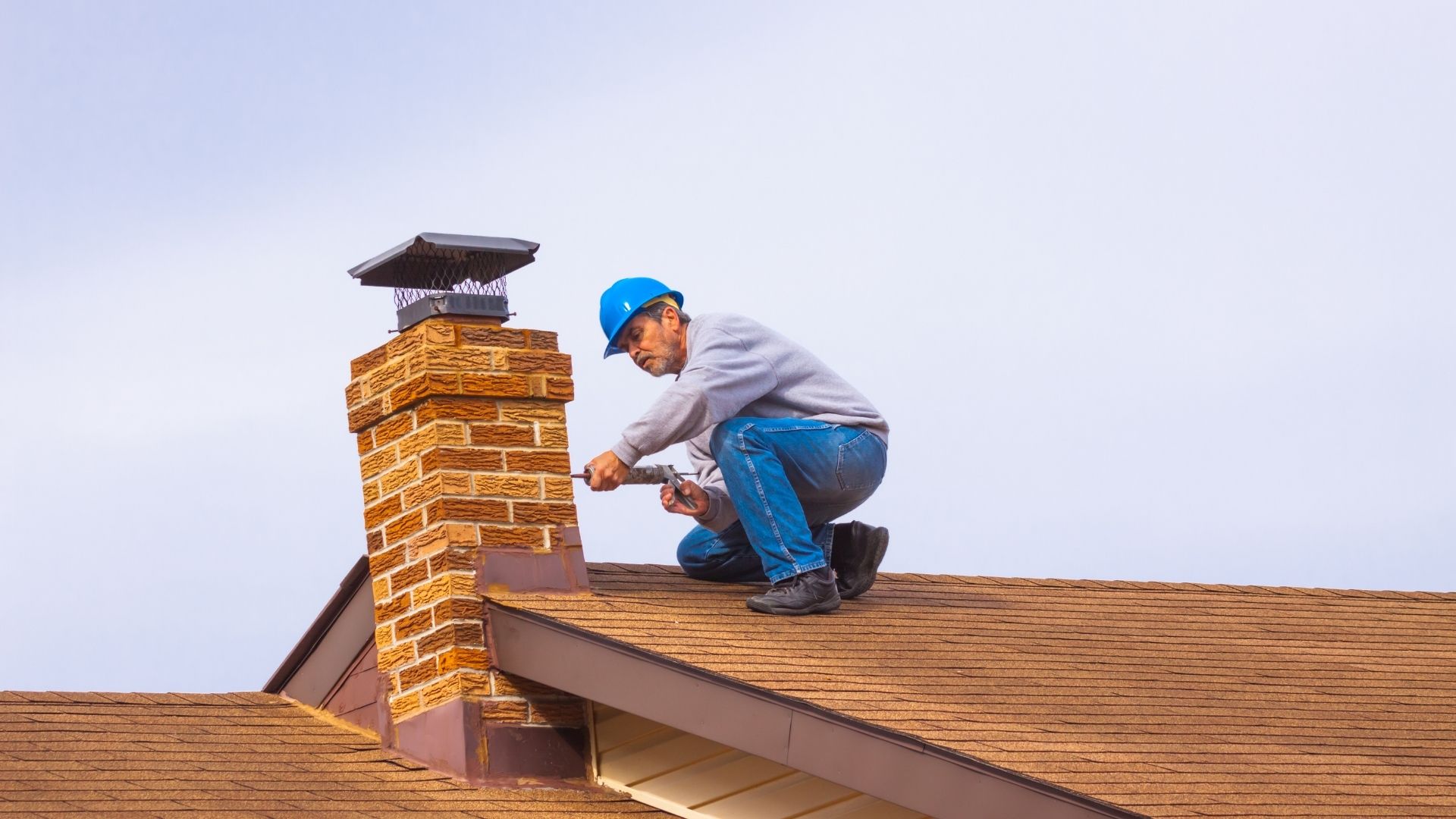
A chimney cap acts like an umbrella for your chimney, keeping rain, animals, and debris out, but if the chimney cap is damaged, rusted through, or missing, rain can directly enter the chimney, causing leaks inside the home.
Providence’s coastal environment is particularly hard on chimney caps. The combination of salt air and temperature extremes causes metal caps to rust faster than in inland areas. What starts as surface corrosion quickly becomes holes that let water pour straight down your flue.
You might not notice the problem immediately. Without a professional opinion, it is hard to tell when water damage inside has already occurred. By the time you see water stains on your ceiling or walls, the damage has often spread beyond just the immediate fireplace area.
Missing caps are even worse. Chimneys without covers get a lot of rain falling straight down into them, and while it keeps the rain out, it also keeps birds, animals, and debris out. That debris can create blockages that make water problems even worse by preventing proper drainage.
The solution isn’t just slapping any cap on top. Providence chimneys need caps designed for coastal conditions—materials that resist salt air corrosion and designs that handle the wind patterns common in this area. Stainless steel caps resist the salt air from Narragansett Bay, copper develops that classic patina that complements historic Providence architecture, while aluminum offers reliable protection at a lower cost.
The chimney crown is the top element of a chimney, made of concrete or mortar, designed to prevent water from entering the chimney, but over time, exposure to extreme weather and temperature fluctuations can cause cracks to form in the crown, allowing water to seep in during rainstorms.
Providence’s freeze-thaw cycles are brutal on concrete crowns. This cement crown can develop cracks over time due to varying weather conditions, and freeze-thaw cycles are tough on chimney crowns, as the water absorbed into the cement freezes and expands.
What makes this particularly problematic in Providence County is the frequency of these cycles. Unlike areas with consistently cold winters, Rhode Island’s temperatures hover around freezing for much of the winter. This means more freeze-thaw events, which means more opportunities for existing cracks to expand.
Cracks in the chimney crown can happen from the shifting of the structure or from shrinkage going back to when the crown was installed, and when your crown has cracks, the water goes right through those cracks. The water doesn’t just stay on the surface—it penetrates into the chimney structure and can travel down into your home’s interior.
The coastal humidity makes crown problems worse. Even small cracks that might not cause issues in drier climates become major water entry points when combined with Providence’s moisture levels. Although chimney crowns can withstand extreme weather, they may wear down, crack, or chip over time, which can lead to water coming down your chimney in heavy rain, and because of their high location, you probably won’t be able to spot any damage yourself.
Proper crown repair in Providence requires understanding local conditions. The repair materials need to handle not just the temperature swings, but also the humidity and salt air that make this area unique.
In Rhode Island, tidal flooding, high winds, coastal flood events, hurricanes and other storms can impact property, with storms occurring year-round including tropical storms and hurricanes in late summer and early fall while extratropical storms, including nor’easters, occur in mid- to late-fall, winter, and early to mid-spring.
This constant weather assault creates conditions that inland chimneys never face. The combination of high winds and driving rain forces water into openings that might stay dry in calmer conditions. Coastal moisture and temperature swings affect different chimney materials, from historic brick structures in Providence to newer systems in suburban areas.
The humidity doesn’t just disappear when storms pass. It lingers in masonry materials, creating ongoing moisture problems that weaken mortar joints and accelerate deterioration.
If the flashing is faulty, damaged, corroded, cracked, or improperly installed, it can lead to chimney leaks during heavy rain, as rainwater can seep through gaps or openings in the flashing, allowing water to enter the chimney structure.
Flashing problems are particularly expensive because they don’t just affect your chimney—they can damage your entire roof system, interior walls, and ceilings. The flashing is what keeps water from going into the place where the brick structure comes through the roof, as there is a gap between the bricks, and the roof and water will pour through that hole if it’s not sealed up.
Providence’s weather is especially hard on flashing. Warped or rusted flashing will allow rain and melting snow to leak through the gap, potentially damaging the exterior masonry wall and can also lead to wood rot that can damage your siding, the roof deck, and the attic.
The salt air accelerates metal corrosion, while temperature swings cause expansion and contraction that loosen fasteners and open gaps. What starts as a small separation becomes a major water entry point during heavy storms.
Premium-grade metals and sealants designed to withstand Providence’s challenging weather conditions are essential for lasting repairs. Standard flashing materials that work fine in other climates often fail quickly in coastal Rhode Island conditions.
The key is catching flashing problems early. Removing initially inappropriate installed sealing materials around chimney, re-pointing and re-sealing flashing around chimney prevent the serious deterioration that requires extensive repairs. Regular chimney inspections can identify small problems before they become major water damage events.
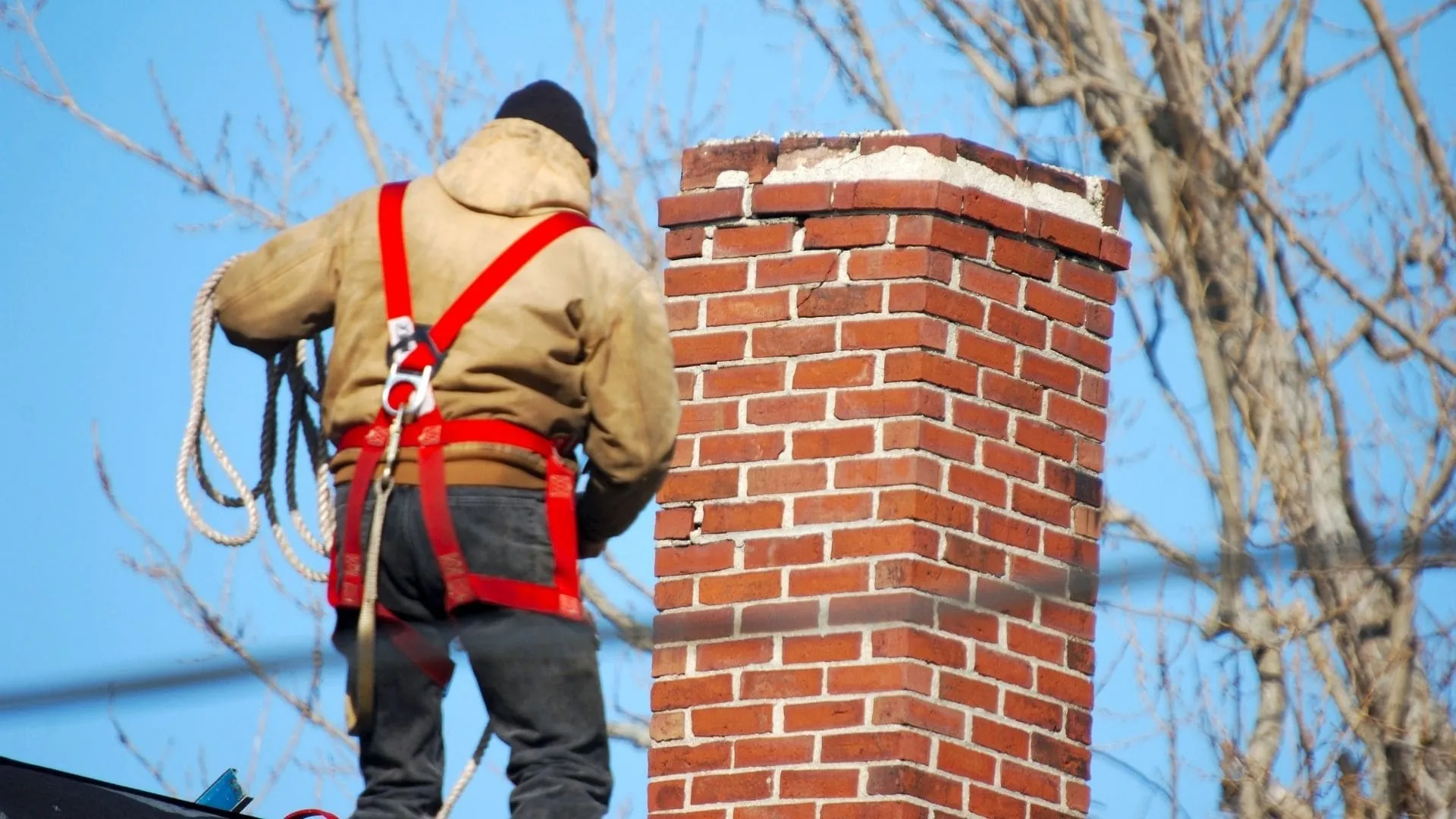
Masonry chimneys are constructed from materials that can absorb water, and over time, exposure to the elements can cause the bricks and mortar to become porous, acting like a sponge during rainstorms, leading to water seeping into the home.
This problem is worse in Providence because of the coastal humidity. Even when it’s not raining, moisture in the air gradually saturates masonry materials. When heavy rain hits, the masonry can’t absorb any more water, so it starts leaking into your home instead.
While brick and stone are highly durable, they are also extremely porous and will absorb moisture as time passes, especially during heavy rains, and if temperatures drop below freezing while the masonry is saturated, it can cause the chimney to crack.
The freeze-thaw cycle creates a vicious circle. Freeze-thaw cycles cause the most chimney problems, as water gets into small cracks in mortar or masonry, freezes and expands, then creates bigger cracks, and this cycle repeats until you have serious structural damage.
Tuckpointing, the process of repairing or replacing mortar joints, can help prevent water absorption, but it needs to be done with materials that understand Providence’s specific conditions. Modern cement-based mortars can actually damage old brick, so lime-based mortars that match the original composition and allow the masonry to breathe properly are often necessary for historic Providence homes.
Waterproofing treatments can help, but they need to be breathable systems that don’t trap moisture inside the masonry. Applying a waterproofing sealant to your chimney’s exterior can prevent water from seeping into the masonry, while still allowing it to breathe, using products specifically designed for chimneys.
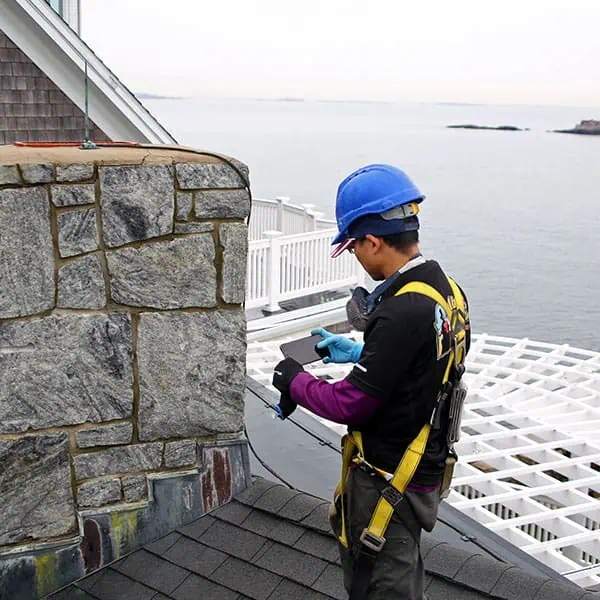
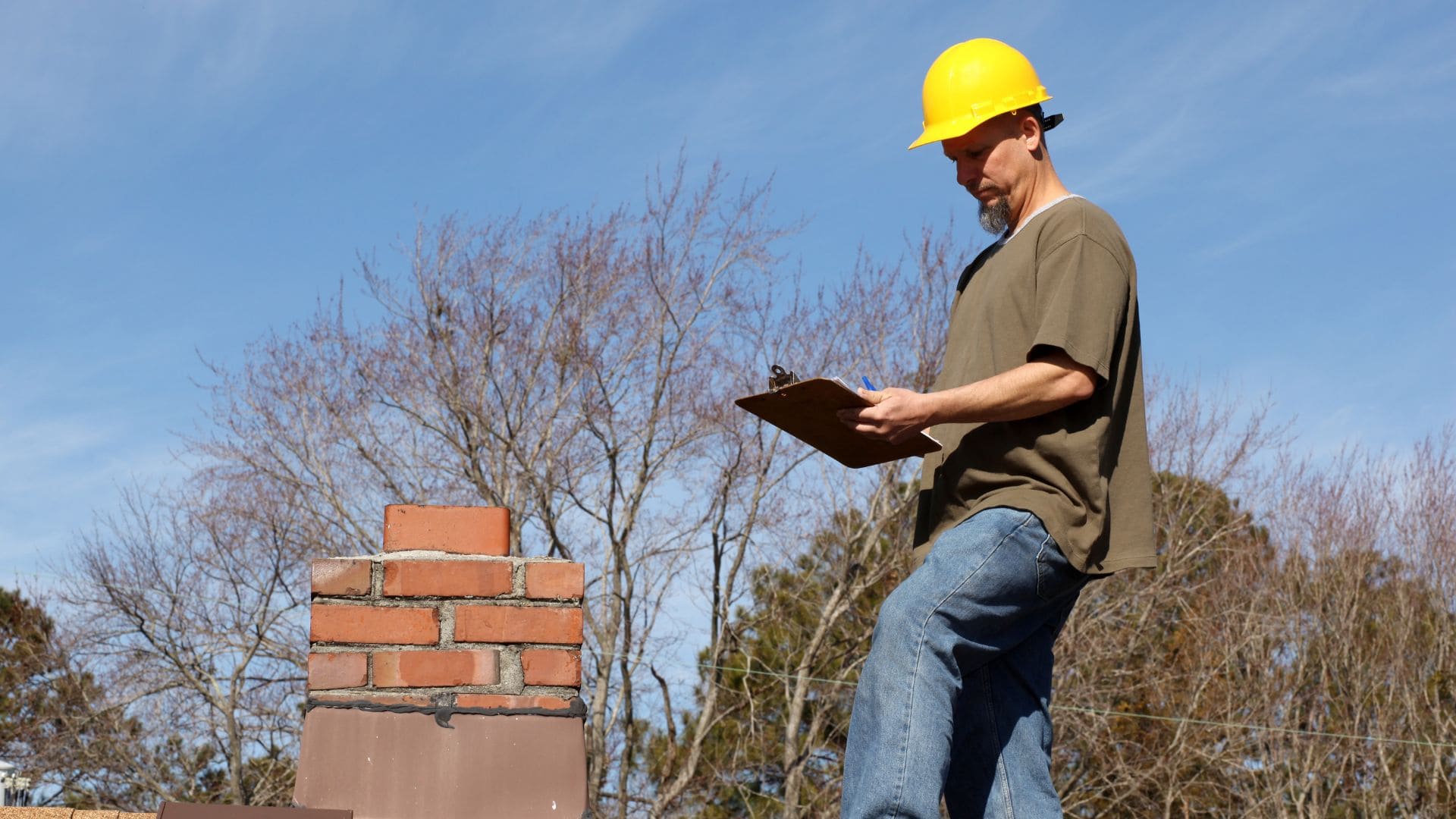
Annual chimney inspections by a professional are vital for identifying vulnerabilities that could lead to leaks, such as cracks, deterioration, or blockages, with early detection meaning easier, more cost-effective solutions.
The key is working with professionals who understand Providence’s unique challenges. Understanding exactly what Providence winters do to brick and mortar and how the constant freeze-thaw cycles work their way into the smallest cracks requires using materials that make sense for Rhode Island weather.
Don’t wait for the next storm to reveal problems. Catching problems early means a smaller repair today can prevent thousands in water damage later. When you need expert chimney leak repair that understands Providence County’s coastal challenges, we at Above and Beyond Chimney bring the local knowledge and proven solutions that protect your home year-round.
Article details:
Share:
Continue learning: