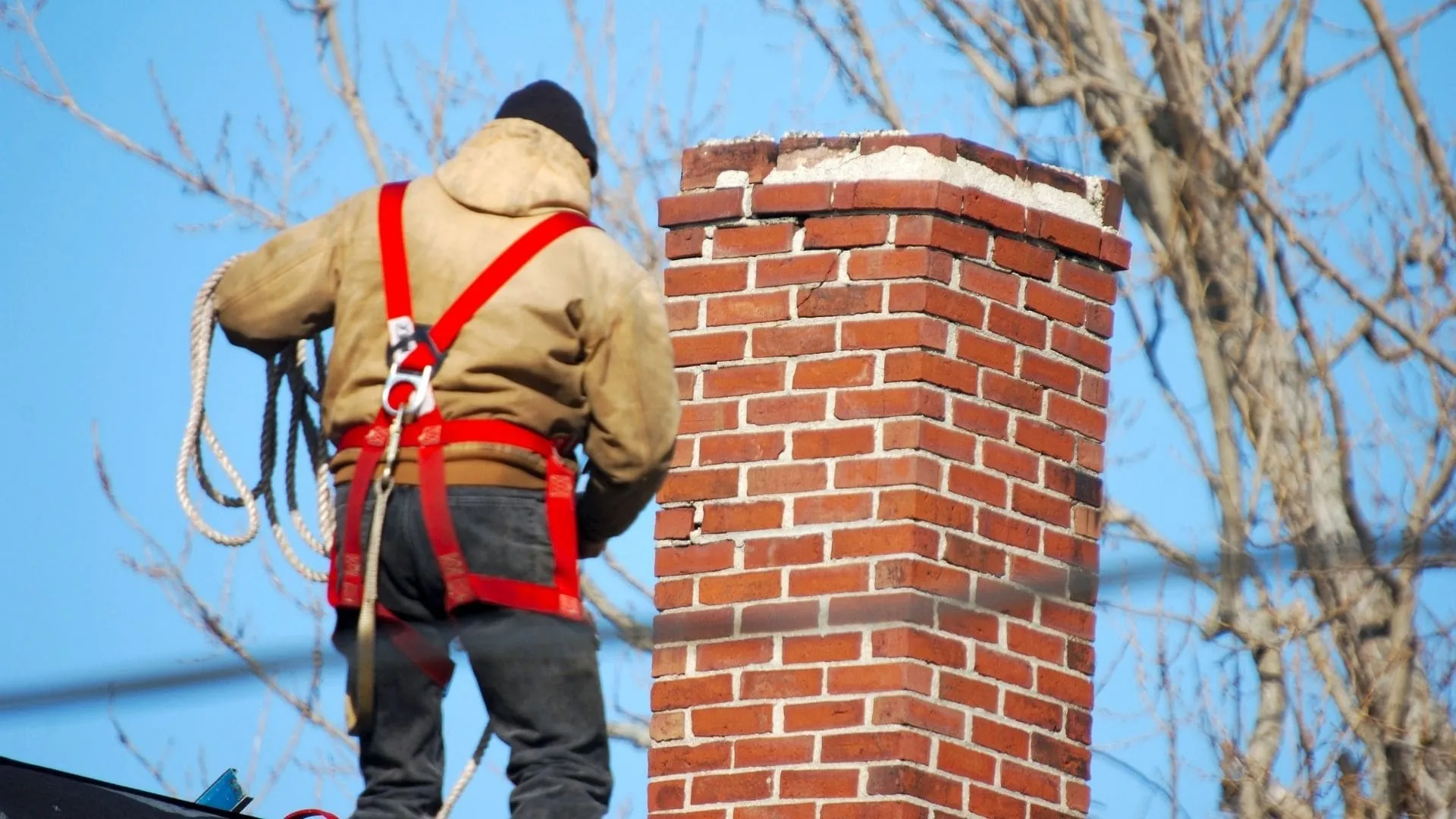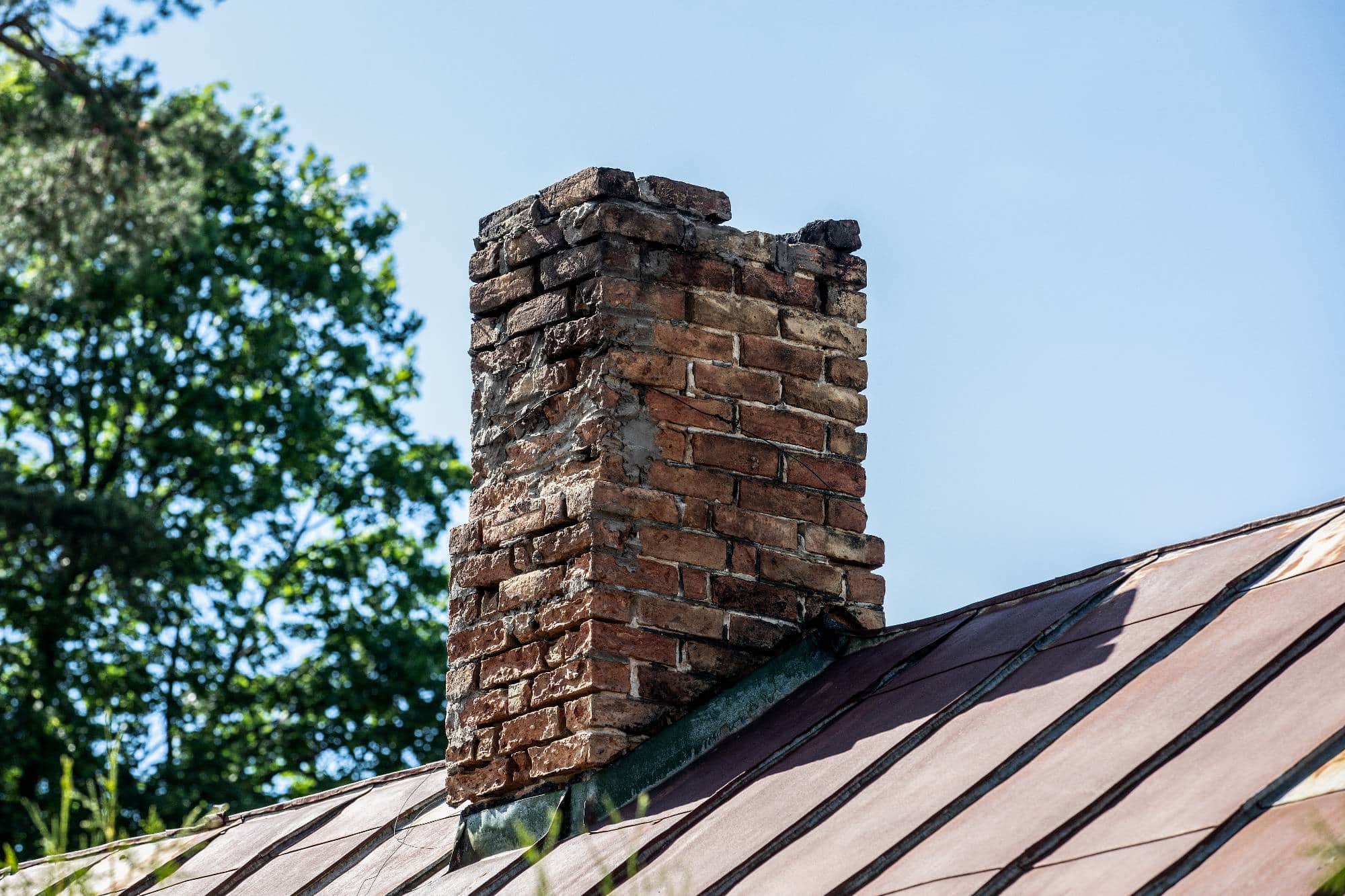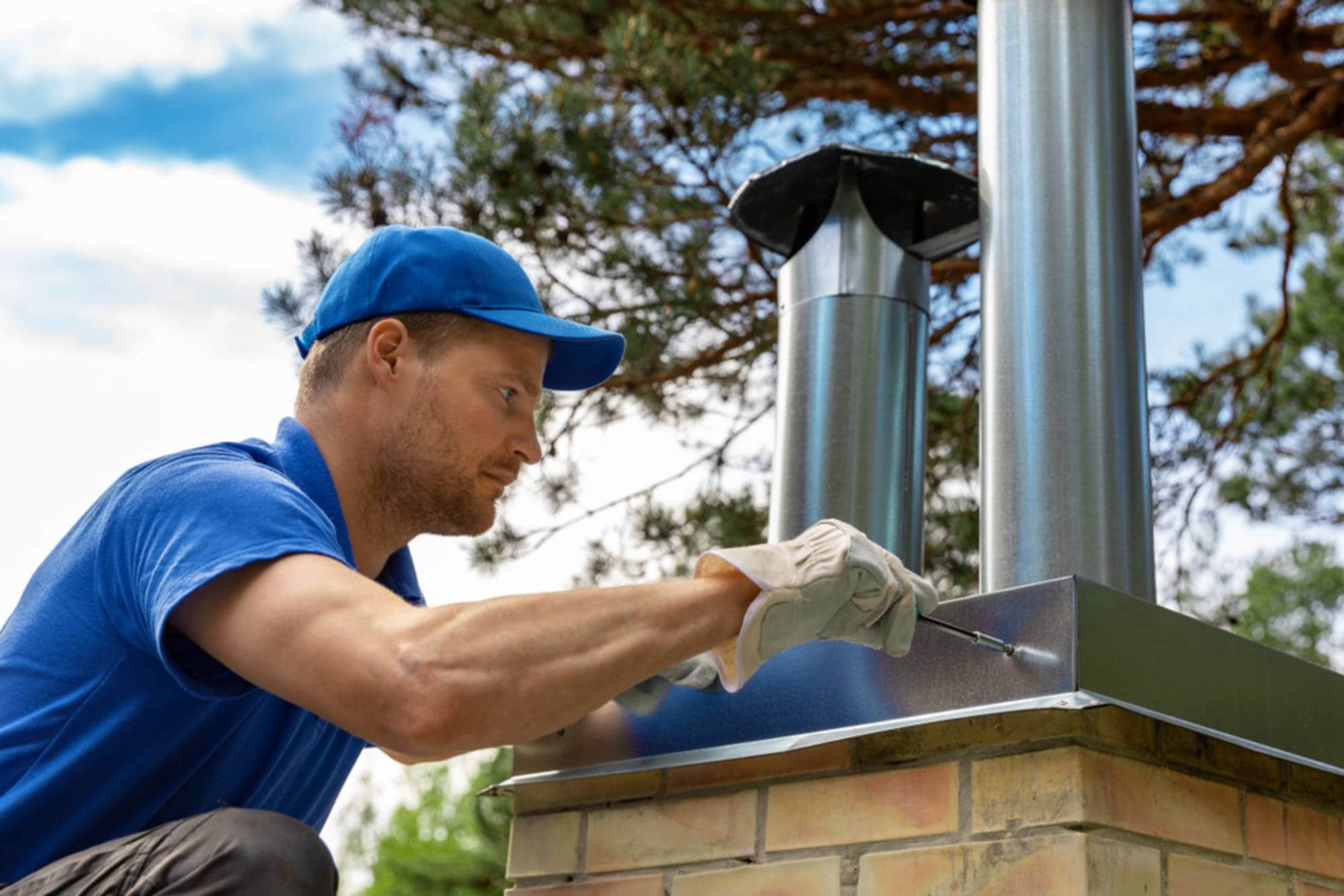
Old chimneys need more than a patch job. Here's what proper historic restoration actually looks like — and why the materials matter more than most people realize.
Share:
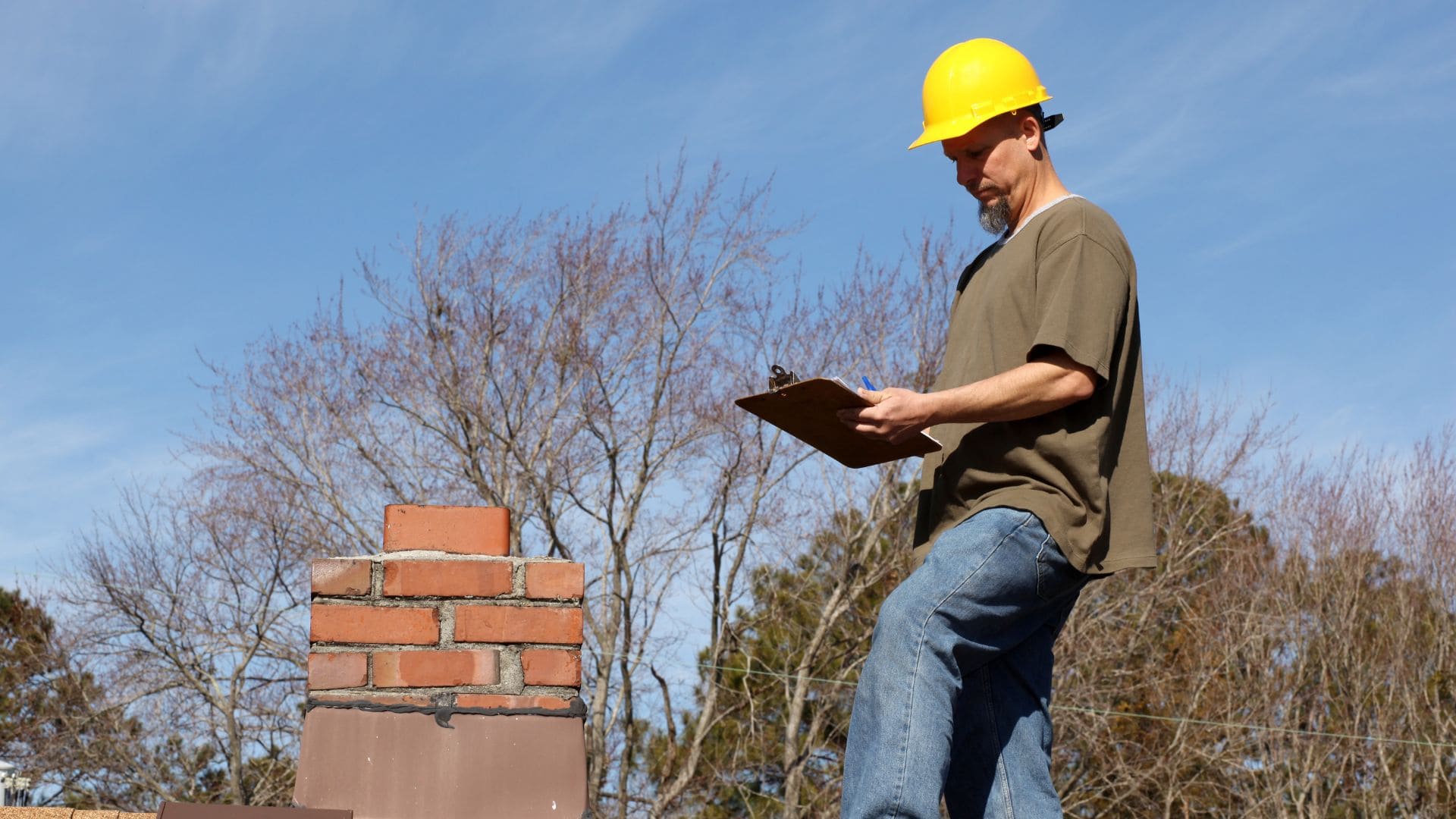
Norfolk County has no shortage of older homes — and Greenville is no exception. Colonials, Capes, farmhouses with center chimneys, brick stacks that have been standing since before anyone alive today was born. They’re part of what makes this area worth living in.
But old chimneys don’t maintain themselves. And the challenge isn’t just keeping them standing — it’s knowing how to fix them without making things worse. Use the wrong mortar, source the wrong brick, and you can do more damage in one repair than decades of New England winters managed on their own.
If you’re dealing with a deteriorating chimney on a historic or older home in Greenville, here’s what you actually need to know.
Historic chimney restoration isn’t a single service — it’s a process that starts with understanding how the chimney was originally built and what it needs now. We assess the mortar composition, the brick type, the construction method, and the current condition of the flue before any work begins.
The goal isn’t to modernize the chimney. It’s to bring it back to a safe, functional state while keeping it consistent with what was originally there. That distinction matters more than most homeowners realize — and it’s the first thing that separates us from a contractor who’s just going to patch whatever looks broken.
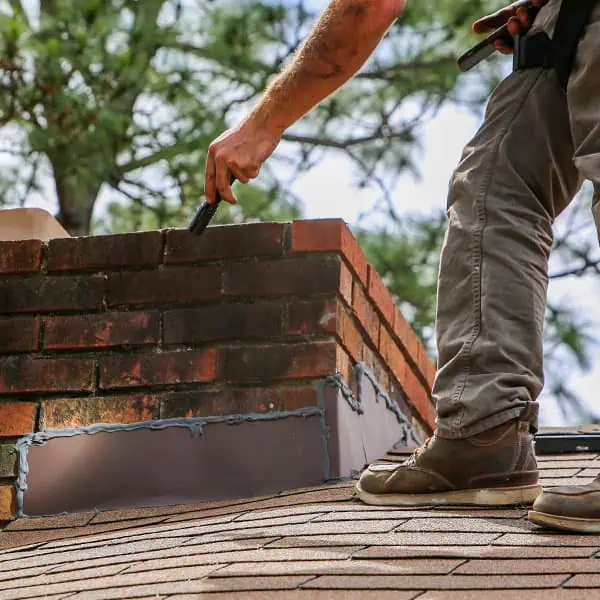
This is the part that catches a lot of homeowners off guard. Most general contractors — and even some chimney companies — reach for Portland cement mortar by default. It’s widely available, easy to work with, and fine for modern construction. But on a historic chimney, it’s the wrong call.
Historic bricks, especially those found in pre-1900 homes across Norfolk County, are softer and more porous than modern brick. They were designed to work with lime-based mortars that flex slightly with temperature changes and allow moisture to move through the masonry naturally. Portland cement is significantly harder than those original bricks. When you pack a hard mortar into joints surrounding soft, old brick, the mortar doesn’t give — the brick does. Over time, you get cracking, spalling, and accelerated deterioration that’s worse than what you started with.
The fix isn’t complicated, but it requires someone who actually knows what they’re looking at. Proper historic masonry repair starts with analyzing the original mortar — its composition, hardness, and color — and then formulating a lime-based replacement mix that’s compatible with the existing material. It’s not just about matching the look. It’s about matching the behavior.
We’ve seen chimneys in Greenville where previous repairs using the wrong mortar have essentially locked in future damage. Every winter, the freeze-thaw cycle does its work, and the incompatible patch becomes a stress point that chips away at the surrounding original masonry. By the time a homeowner calls us, what started as a minor joint repair has become a structural issue.
Getting mortar matching right the first time isn’t a luxury — it’s the difference between a repair that lasts and one that creates a longer, more expensive problem.
Mortar is only part of the equation. When bricks themselves are damaged — spalled faces, cracked units, or sections that have deteriorated beyond repair — they need to be replaced. This is where a lot of contractors take shortcuts that undermine the entire restoration.
Modern bricks are manufactured to different standards than historic ones. They’re denser, harder, and often dimensionally different from the handmade or early machine-made bricks used in 18th and 19th century construction. Dropping a modern brick into a historic chimney creates a visible mismatch and, more importantly, a structural mismatch — the same compatibility problem as using Portland cement mortar.
Proper brick restoration for a historic chimney means sourcing period-appropriate replacements. We work with salvaged bricks from the same era, or specially manufactured units designed to replicate the characteristics of historic material. Either way, the goal is a repair that integrates with the original construction rather than standing out against it.
On homes in Greenville with center chimneys — the kind that run through the middle of the house and serve multiple fireplaces — this matters especially. These chimneys are architectural features, not just functional components. They’re visible, prominent, and central to the home’s character. A poorly matched repair on a center chimney doesn’t just look wrong; it signals to any informed buyer or appraiser that the restoration wasn’t done correctly.
Structural masonry repair on these chimneys also involves assessing the smoke chambers, the firebox, and the overall stability of the stack. When deterioration has progressed significantly, partial or full chimney rebuilding may be the more responsible path — using traditional construction methods and period-appropriate materials to rebuild the chimney in a way that looks and functions as it should. That’s a more involved project, but sometimes it’s the right one.
Preserving the look of a historic chimney matters. But safety is the reason the work can’t be put off indefinitely. A chimney that’s deteriorating isn’t just an aesthetic problem — it’s a fire risk, a carbon monoxide risk, and in severe cases, a structural hazard.
The NFPA recommends annual chimney inspections regardless of how often you use the fireplace. For older homes, that recommendation carries extra weight, because many of the safety features we take for granted in modern construction simply weren’t standard practice when these homes were built.
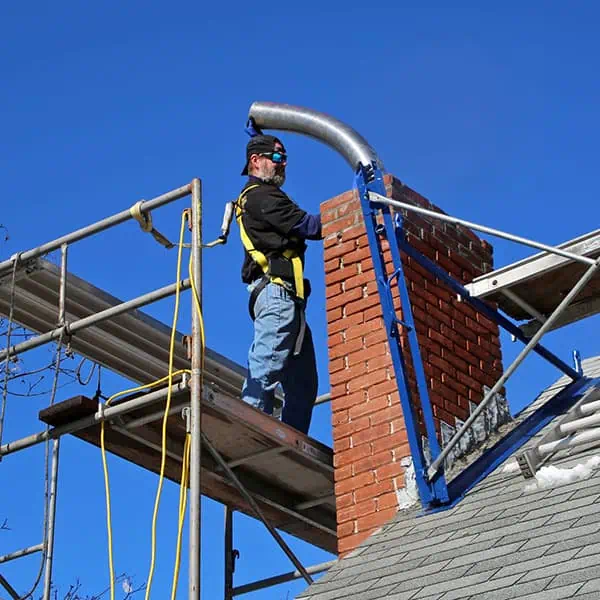
If your home was built before 1950, there’s a reasonable chance your chimney has no flue liner — or has one that’s cracked, deteriorated, or no longer adequate for how the fireplace is being used today. This isn’t a minor gap. An unlined chimney allows combustion gases, heat, and in some cases open flame to contact the surrounding masonry and framing directly.
The good news is that liner installation doesn’t require tearing apart a historic chimney. We can install stainless steel liners through the existing flue with minimal disruption to the exterior. For chimneys with unusual flue dimensions — common in older construction throughout Greenville, where rectangular or irregularly shaped flues don’t accommodate standard round liners — we offer custom options, including cast-in-place liner systems that conform to the existing shape of the flue.
The exterior of the chimney stays intact. The historic character is preserved. And the chimney becomes safe to use in a way it may never have been before.
We’ve done this work on older homes throughout Norfolk and Plymouth Counties, including properties with large center chimneys serving multiple fireplaces. It’s detailed work, but it’s also some of the most important work we do — because it closes a genuine safety gap that’s been present since the day the house was built.
If you’re not sure whether your chimney has a liner, or what condition it’s in, a Level 2 inspection with video documentation will give you a clear picture. You’ll see exactly what’s there — or what isn’t — before any decisions are made.
One question we hear often is: “Will it still look like my original chimney when you’re done?” The honest answer is yes — if the restoration is done correctly. That means using matched lime mortar, sourcing compatible brick, and working carefully to preserve the original profile and appearance of the stack. A well-executed historic restoration is essentially invisible. You shouldn’t be able to tell where the new work ends and the original begins.
Another common question: “Can any chimney company do this, or does it require someone specific?” This one matters. Massachusetts doesn’t legally require chimney sweeps or contractors to hold any certification. Many don’t. That means the range of experience and knowledge in this market is wide, and the consequences of hiring someone who doesn’t understand historic masonry are real — wrong materials, accelerating damage, and repair costs that compound over time. All of our technicians are CSIA-certified, which requires passing a formal examination and maintaining ongoing education. It’s not a marketing badge. It’s a baseline that a lot of companies in this area don’t meet.
Homeowners in Greenville also ask whether chimney restoration affects a home’s historic designation or eligibility for the National Register of Historic Places. The short answer is that restoration done with period-appropriate materials and methods — lime mortar, compatible brick, traditional techniques — is consistent with the Secretary of the Interior’s Standards for the Treatment of Historic Properties. Work done with incompatible modern materials, on the other hand, can create issues. This is another reason why the choice of contractor matters as much as it does.
Finally, people ask about timing. Spring is actually one of the better windows for this kind of work — freeze-thaw damage from winter becomes visible after the thaw, and getting repairs done before the next heating season means you’re not scrambling in October. If your chimney has been on your list, this is a reasonable time to have it looked at.
Historic chimney restoration is one of those things where doing it right costs less in the long run than doing it wrong. The right materials, the right methods, and a contractor who actually understands what they’re working with — that combination produces a result that lasts and protects both the safety and the character of your home.
We’ve been working on chimneys in Norfolk and Plymouth Counties since 1986. We know the housing stock, we know the climate, and we know what these older chimneys need. If you have a historic or older home in Greenville and your chimney needs attention, reach out to us for a free estimate. We’ll tell you honestly what’s there, what it needs, and what it’ll take to fix it right.
Article details:
Share:
Continue learning: