Older homes in Greenville deserve more than a quick patch job. Here's what real historic chimney restoration involves — and why it matters for your property.
Share:
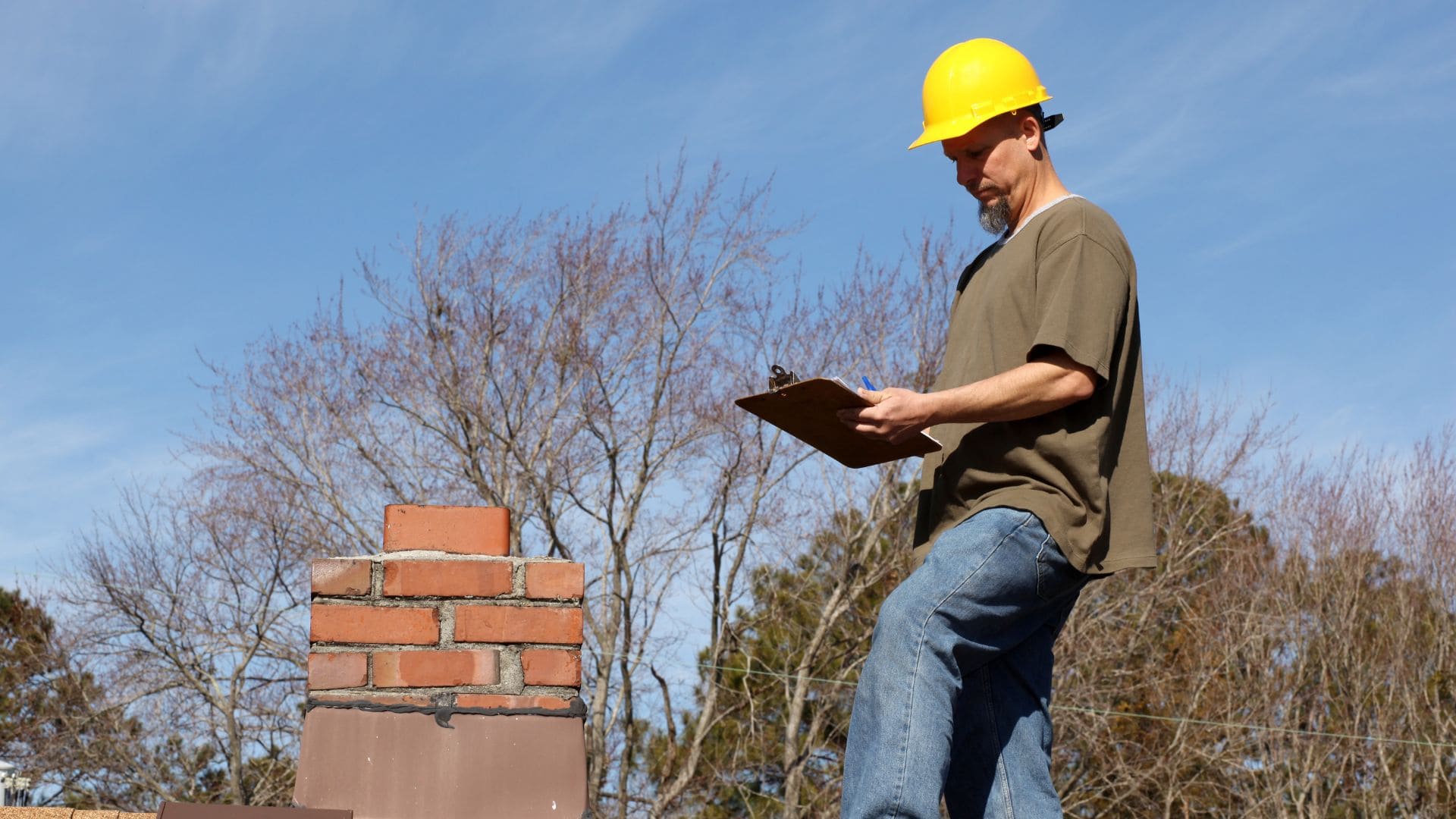
Older homes in Greenville, MA have a lot going for them — the craftsmanship, the proportions, the sense that something was built to last. But the chimneys on those homes? They’ve been absorbing New England winters for a long time, and most of them are showing it.
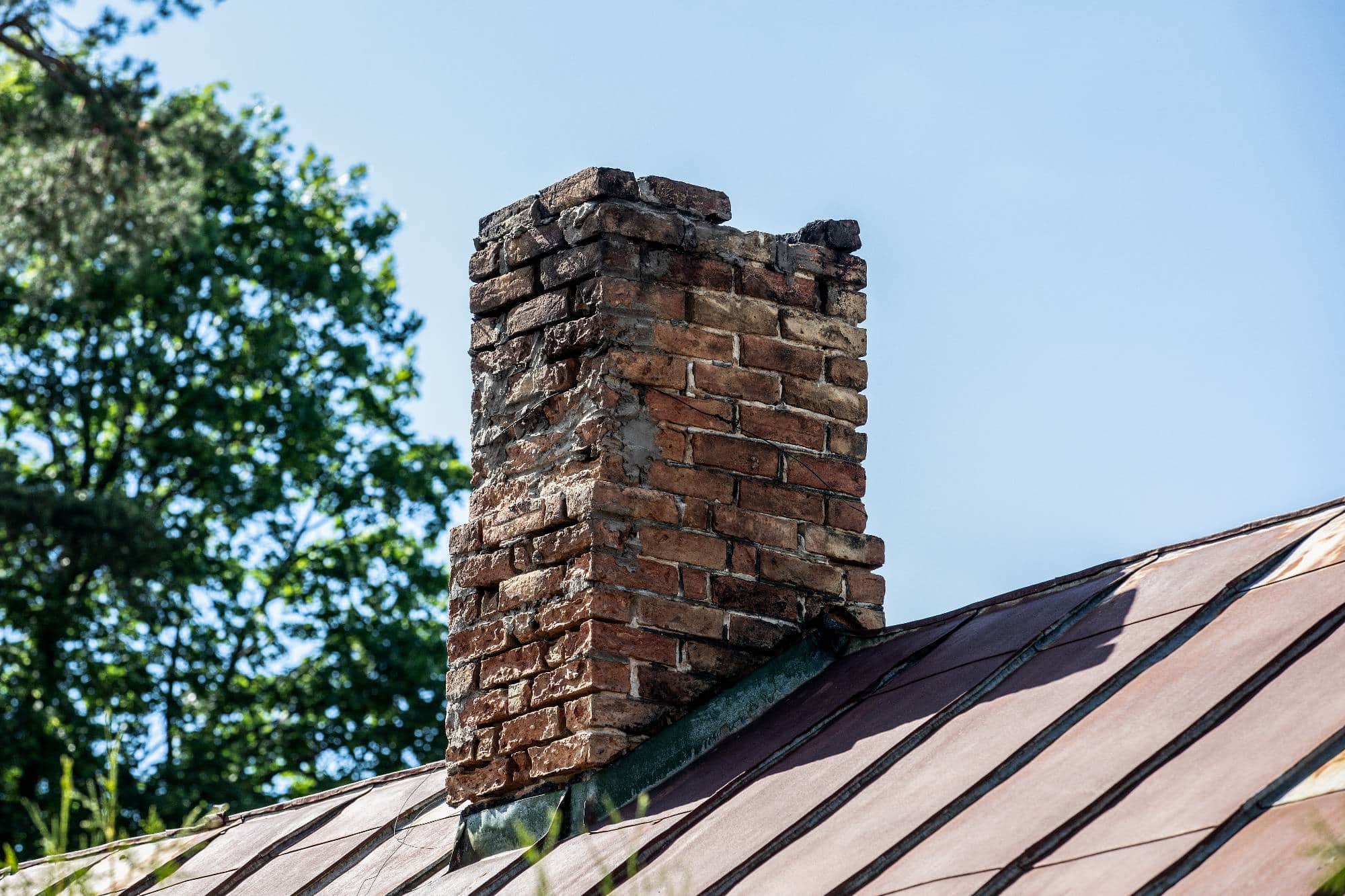
Crumbling mortar, stained brickwork, a firebox that doesn’t draw right — these aren’t just cosmetic problems. They affect how your home performs, how it looks from the street, and what it’s worth when it’s time to sell. This page walks through what historic chimney restoration actually involves, why the details matter more than most contractors let on, and what it means for your home’s long-term value.
Restoration isn’t the same as repair. Repair fixes what’s broken. Restoration looks at the whole picture — the original materials, the construction method, the way the chimney was meant to function — and brings it back to that standard without compromising what makes it distinctive.
For older homes in Greenville and throughout Norfolk County, that usually means working with soft handmade or early machine-made brick, lime-based mortar, and construction techniques that predate modern building codes by generations. The chimney on a 19th-century colonial wasn’t built the way a 1990s chimney was built, and it shouldn’t be treated the same way.
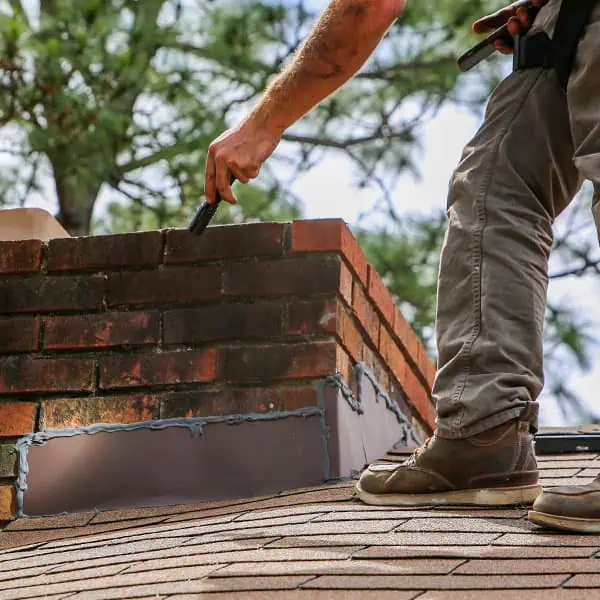
This is the thing most homeowners don’t find out until after the fact. When a contractor uses standard Portland cement mortar to repoint a historic chimney, it feels like a fix. It looks like a fix. But Portland cement is significantly harder than the soft brick it’s being applied to, and that difference causes real damage over time.
When your chimney heats up, cools down, and goes through freeze-thaw cycles — which in Greenville means dozens of times every winter — the masonry moves slightly. With lime mortar, the joint absorbs that movement. It’s softer and more flexible, so it does the work. With Portland cement, the joint is rigid. The brick absorbs the stress instead, and eventually the brick itself starts to crack and spall. You end up with a bigger problem than the one you started with, and it’s harder to fix.
Historic chimneys in this area were built with lime mortar. Matching that material isn’t just about being historically accurate — it’s about being structurally correct. We use lime mortar for repointing historic masonry because it’s what the chimney was designed to work with, and because using anything else puts the surrounding brick at risk.
The same logic applies to brick replacement. When we need to replace damaged bricks, we source salvaged or period-appropriate materials that match the original in size, texture, and composition. A mismatched replacement brick isn’t just an eyesore — it signals to buyers, inspectors, and appraisers that the work was done without much care.
Getting the materials right is the foundation of everything else. It’s what separates a restoration that lasts another century from one that creates new problems within a decade.
Here’s something that surprises a lot of Greenville homeowners: many chimneys built before the early 1900s were constructed without a liner. Not because builders cut corners — that just wasn’t standard practice at the time. A chimney was a masonry flue, and it worked well enough for the wood-burning fireplaces it was serving.
The problem is that most of those chimneys are now being used with modern appliances — gas inserts, wood stove conversions, furnace venting — that produce different combustion byproducts, different temperatures, and different pressure dynamics than an open fireplace burning seasoned hardwood. An unlined chimney handling modern appliance exhaust is a genuine fire risk and a carbon monoxide risk.
A chimney liner — typically a stainless steel flexible system installed inside the existing flue — brings the chimney into compliance with current safety codes while preserving the exterior masonry entirely. From the outside, nothing changes. From a safety standpoint, everything does. We install liners as part of historic restoration projects when the existing flue lacks one, and we size them correctly for the specific appliance being vented, which matters more than most people realize.
This is also worth knowing if you’re planning to sell. Under NFPA 211 — the national standard that governs chimney safety — a Level II inspection is required when a property changes hands. Buyers’ agents in the Greenville market know to look at chimneys on older homes, and an unlined flue is exactly the kind of finding that triggers repair contingencies, price reductions, or lost deals. Addressing it before you list removes that risk entirely and gives you something concrete to point to during negotiations.
The chimney is often the most prominent masonry feature on the exterior of an older home. It’s visible from the street, it’s part of what gives the house its character, and its condition sends a signal — either that the home has been cared for, or that it hasn’t.
Brick masonry restoration consistently returns 83 to 92 percent of its cost in increased property value, and historic properties with accurate, period-appropriate restorations can command a 5 to 15 percent price premium over comparable homes where that work hasn’t been done. Those aren’t small numbers in a competitive real estate market like Greenville.
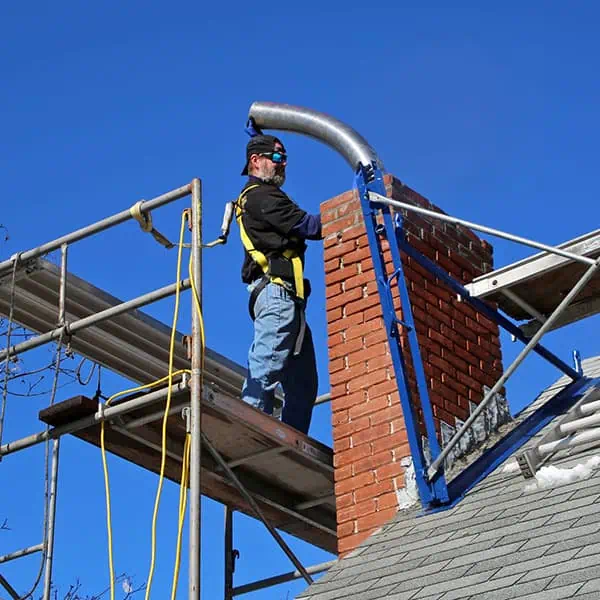
Buyers looking at older homes in Greenville tend to be informed. They’re not just looking at square footage and kitchen finishes — they’re looking at the bones of the house, and the chimney is one of the first things a careful buyer or their inspector will flag.
Spalling bricks, crumbling mortar joints, white efflorescence staining on the exterior masonry — these are visible from the sidewalk. And while none of them necessarily mean catastrophic structural failure, they do suggest deferred maintenance. That suggestion has a cost. Buyers factor it into their offers, their inspection demands, and their willingness to proceed at all.
Water is behind roughly 70 percent of all chimney repairs, and the damage it causes is rarely contained to the chimney itself. Once water gets through deteriorating mortar joints, it works its way into the chimney structure, the surrounding framing, and eventually the interior of the house. A $500 repointing job that gets skipped becomes a $5,000 structural repair two winters later. That progression isn’t dramatic — it’s just physics, and it’s quiet enough that most homeowners don’t notice it until the damage is already significant.
A restored chimney tells a different story. It tells a buyer that the previous owner paid attention, that the house was maintained with care, and that they’re not inheriting someone else’s deferred problems. That’s a real value proposition, and experienced buyers in the Greenville area recognize it.
We’ve worked on a lot of antique homes across Norfolk County — center chimneys, double-flue colonials, Victorian-era brickwork that’s been through more New England winters than most people can count. The homes where the chimney has been properly restored consistently show better in the market and hold up better under inspection scrutiny.
There’s a version of chimney maintenance that’s reactive — you fix what breaks, when it breaks, and try not to think about it in between. That approach works until it doesn’t, and when it stops working, it tends to stop working expensively.
A properly maintained masonry chimney can last well over 100 years. That’s not marketing language — it’s documented. The chimneys on the oldest homes in Greenville are proof of it. But that lifespan depends on the right materials being used, the right repairs being made at the right time, and the chimney being inspected regularly enough that small problems get caught before they compound.
Waterproofing is part of that equation. We apply vapor-permeable sealants that protect the masonry from water infiltration while still allowing moisture trapped inside to escape. This matters because film-forming sealants — the kind that trap moisture — can actually accelerate the freeze-thaw damage they’re supposed to prevent. The distinction is technical, but the outcome isn’t: the wrong waterproofing treatment can cause the same kind of spalling damage as the wrong mortar.
For homes in Greenville and the broader Norfolk area, spring is genuinely the best time to schedule this kind of work. Mortar needs temperatures above 40 degrees Fahrenheit to cure correctly, and the window between the last hard freeze and the peak summer humidity is ideal for exterior masonry. It also means your chimney is fully restored and ready before the heating season starts, rather than scrambling in October when every chimney company in the county is booked out.
Preservation isn’t about doing everything at once. It’s about doing the right things at the right time, with the right materials, by someone who understands what they’re working with. That’s the difference between a chimney that lasts and one that keeps needing attention.
The chimney industry has a reputation problem, and it’s earned. Scare-tactic contractors who show up, declare catastrophic damage, and quote thousands of dollars for work that isn’t necessary are a real phenomenon — and historic home owners are especially vulnerable because they don’t always have a baseline for what normal deterioration looks like on a 100-year-old chimney.
What you’re looking for is straightforward: a contractor with CSIA certification, real experience with historic masonry, and a track record of telling people what their chimney actually needs rather than what generates the biggest invoice. Those things aren’t hard to verify.
We’ve been serving Norfolk and Plymouth County homeowners since 1986. Our technicians are CSIA certified, members of the National Chimney Sweep Guild, and have worked on the kind of antique chimneys that require actual expertise — not just a standard repair crew with a bag of Portland cement. If your Greenville home has a chimney that’s been around for a while and you’re not sure what shape it’s in, reach out. We’ll give you a straight answer.
Article details:
Share:
Continue learning: