A proper chimney liner does more than protect your home — it makes your heating system work the way it's supposed to. Here's what Norfolk County homeowners need to know.
Share:
If your home was built before 1980 — and a lot of homes in Quincy, Weymouth, Dedham, and Canton were — there’s a real chance your chimney liner no longer meets current safety or efficiency standards. This isn’t a scare tactic. It’s the reality of older housing stock in a climate that puts chimneys through significant stress every single year. A deteriorating liner doesn’t just create a safety risk. It makes your heating system work harder, drives up your energy costs, and eventually forces a much bigger repair. Understanding what a liner actually does — and what happens when it fails — is the first step toward making a smart decision for your home.
Your chimney liner controls how combustion gases move out of your home. When it’s working correctly, it creates consistent airflow — what’s called draft — that pulls smoke and exhaust up and out efficiently. When it’s cracked, deteriorated, or improperly sized, that airflow breaks down. Your fireplace smokes. Your furnace runs longer cycles. Your heating bills climb without an obvious explanation.
A properly installed, correctly sized liner lets your heating appliance operate the way it was designed to. That means more complete combustion, less wasted fuel, and less strain on the system overall. It’s not a dramatic upgrade — it’s the baseline your system needs to function as intended.
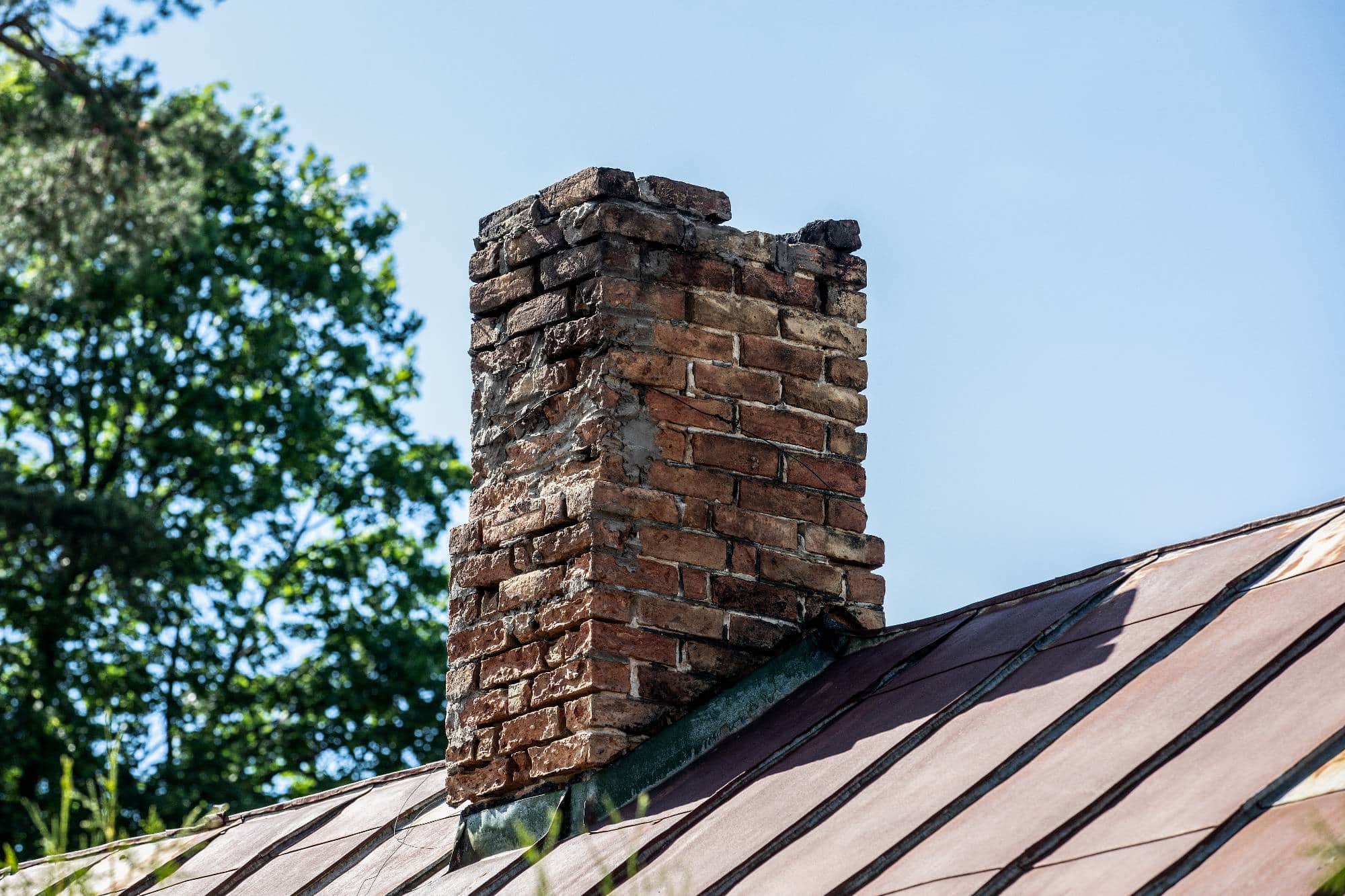
Draft problems are one of the most common complaints we hear from homeowners across Norfolk County, and the cause is almost always the same: a liner that’s no longer doing its job. Clay tile liners installed in homes built through the 1970s were adequate for their time, but decades of freeze-thaw cycling have taken a toll. Water gets into hairline cracks, freezes, expands, and fractures the tile from the inside. By the time you notice smoke backing into your living room, the liner has usually been deteriorating for years.
Massachusetts winters make this worse than in milder climates. When temperatures drop into the twenties — which happens regularly from November through March across Norfolk County — an uninsulated or damaged liner cools quickly. Cold liner walls reduce the chimney’s ability to draw combustion gases upward, creating exactly the kind of sluggish draft that leads to smoke spillage and inefficient burns.
The fix isn’t complicated, but it does require getting the sizing right. A liner that’s too large for the appliance it serves creates the same draft problems as a damaged one. That’s why the process starts with a camera inspection to measure the flue accurately and assess what’s actually happening inside — not just a visual check from the rooftop.
Insulation matters here too, especially in a climate like ours. An insulated liner maintains heat in the flue longer, which keeps draft consistent even on the coldest days. It’s a detail that some installers skip to reduce cost, but it makes a measurable difference in how the system performs through a New England winter.
Creosote is the byproduct of incomplete combustion — it forms when wood smoke cools before it fully exits the flue and deposits on the liner walls. A small amount of creosote is normal. A heavy buildup is a fire hazard. Chimney fires fueled by creosote can exceed 2,000°F, which is hot enough to crack masonry, compromise structural framing, and spread to the rest of the house.
The condition of your liner directly affects how fast creosote accumulates. A cracked, rough, or deteriorated interior surface gives creosote more places to grip and build up between cleanings. A smooth stainless steel liner, by contrast, accumulates deposits more slowly and makes annual sweeping significantly more effective. You’re not just reducing the risk of a chimney fire — you’re making every future maintenance visit more straightforward.
The CSIA classifies creosote in three degrees. Degree 1 is light and dusty, easy to brush away. Degree 2 is flaky or tar-like and requires more aggressive cleaning. Degree 3 is hardened and glazed, resistant to standard mechanical cleaning, and the stage where chimney fires become a serious and immediate risk. Homes that go years without professional service — or that have been running through a compromised liner — are the ones most likely to reach Degree 3.
Installing a properly sized, smooth-walled liner doesn’t eliminate the need for annual sweeping. But it does change the trajectory. Less buildup between visits, cleaner burns, and a liner that makes it easier to stay ahead of the problem rather than constantly catching up. For homeowners in Needham, Westwood, or Foxborough who use their fireplace regularly through the winter, that difference adds up.
A lot of homeowners assume liner installation is a straightforward drop-in job. Sometimes it is. But in Norfolk County, where a significant portion of the housing stock dates back 50 to 100 years, the process often involves more nuance — older chimneys with unusual dimensions, multi-flue configurations in Quincy triple-deckers, or systems that were originally built for oil heat and now need to accommodate a high-efficiency gas appliance.
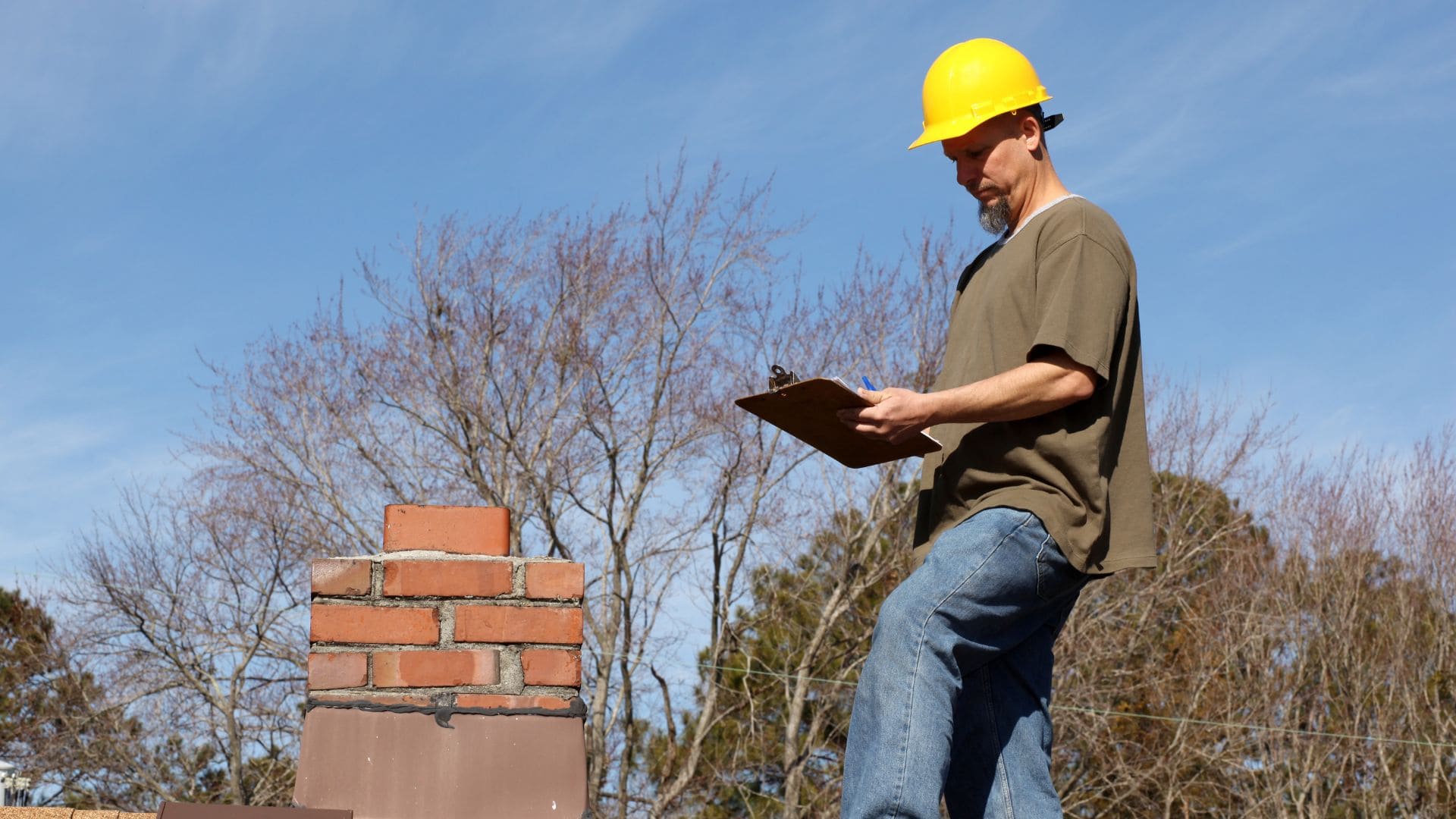
The job starts with a camera inspection to document what’s there, measure accurately, and identify any structural issues that need to be addressed before the liner goes in. From there, the right liner material and diameter are selected based on the specific appliance, fuel type, and flue dimensions — not a best guess.
Yes — chimney liner installation in Massachusetts requires a building permit, and that requirement is enforced. This is one of the details that catches homeowners off guard, especially when they’re comparing quotes and one contractor comes in noticeably lower than the others. Unpermitted work isn’t just a technicality. It can void your homeowner’s insurance, create complications when you sell the house, and leave you without any legal recourse if something goes wrong.
Every Norfolk County town has its own building department and its own permit process. Quincy, Braintree, Needham, Dedham, Canton, Walpole — each municipality handles it slightly differently, and navigating that process takes familiarity with local requirements. We handle all permit applications and inspections as part of every liner installation we do. You don’t need to figure out which forms to file or which inspector to call. That’s part of the job.
This matters particularly for homeowners who are switching from oil to gas heat — a transition that’s happening at a significant pace across Norfolk County as the state continues pushing toward cleaner energy sources. High-efficiency gas appliances vent at lower temperatures and produce more acidic condensate than the oil systems they replace. An existing clay liner built for an oil furnace is not compatible with a new gas appliance, and the relining has to happen before the new system can be connected. We coordinate the liner installation, the permit, and the inspection as a single project so the transition doesn’t stall out waiting on paperwork.
The materials we use are stainless steel 316Ti — the highest-grade option available for chimney liner applications. It handles every fuel type, resists the acidic condensate produced by modern high-efficiency appliances, and carries a lifetime warranty from the manufacturer. It’s not the cheapest option, but it’s the one that holds up in this climate and doesn’t need to be revisited in ten years.
The questions we hear most often tend to cluster around cost, timing, and whether the work is actually necessary. Those are fair questions, and they deserve straight answers.
The most common one is whether a liner is truly required or whether it’s something a chimney company recommends to pad a bill. Here’s the honest answer: NFPA 211 — the national standard governing chimney installations, published by an organization headquartered right here in Quincy — requires that all masonry chimneys be lined with approved materials that can withstand temperatures up to 1,800°F. If your liner has cracks wider than 1/8 inch, missing mortar joints, or offset sections, it doesn’t meet that standard regardless of how the chimney looks or functions on the surface. A camera inspection shows you exactly what’s there. We don’t ask you to take our word for it.
Another question we hear often is about timing. Most homeowners think about chimney work in the fall, right before they want to start using the fireplace. That’s also when the schedule fills up fastest. Spring and summer are actually the better time to book — the work gets done before the seasonal rush, and if there are any structural issues discovered during the inspection, there’s time to address them without pressure.
Homeowners in Franklin, Wrentham, and Millis also frequently ask whether the liner installation will be disruptive to the interior of the house. In most cases, the work is completed from the exterior and the rooftop, with minimal interior access required. The job site gets cleaned before we leave. Most installations are completed in a single day.
Finally, people ask how long a stainless steel liner lasts. The honest answer is a long time — 15 to 20 years at minimum with proper annual maintenance, and potentially much longer with the 316Ti grade we install. That’s a meaningful return on a one-time investment, especially in a market where home values across Norfolk County give homeowners strong reason to protect what they’ve built.
A chimney liner isn’t a luxury upgrade. It’s the part of your heating system that keeps combustion gases moving in the right direction, protects your home’s structure from the inside out, and makes everything downstream — your appliance, your fuel costs, your annual maintenance — work the way it should.
For homeowners across Norfolk County, the combination of older housing stock, harsh winters, and the ongoing shift away from oil heat makes liner installation one of the more consequential home maintenance decisions you’ll face. Getting it done right the first time — with the correct materials, proper sizing, insulation, and a permit that protects you legally — is worth more than the lowest quote.
We’ve been doing this work on the South Shore for over 25 years. If you’re not sure where your chimney stands, a camera inspection is the right place to start. Reach out to us directly at 781-297-7890 and we’ll give you a straight answer about what you’re working with.
Article details:
Share:
Continue learning: