From stone veneers to decorative brickwork, here's what's working for chimneys and fireplaces in Greenville, MA right now.
Share:
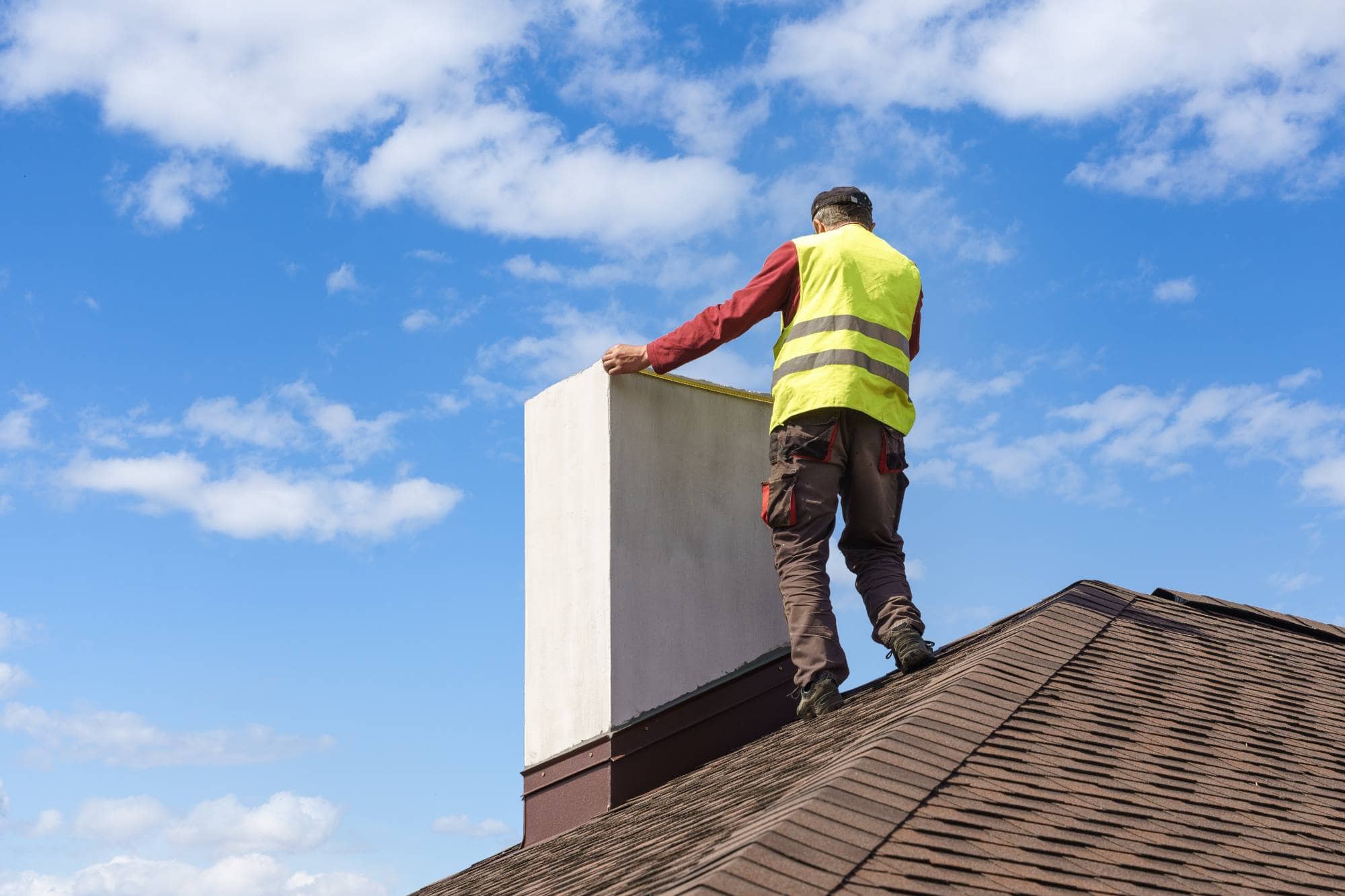
If you’ve been sitting on a cracked chimney or a fireplace that looks like it hasn’t been touched since the house was built, you’re not alone. A lot of Greenville homeowners are in the same spot — they know something needs attention, but they’re not sure where to start or what’s even possible.
The good news is that masonry has come a long way. There are more material options, more design choices, and better restoration techniques than most people realize. This page walks you through what’s trending, what holds up in our climate, and what’s worth your time and money as a homeowner in this part of Norfolk County.
The biggest shift we’re seeing right now is homeowners moving away from purely functional thinking — “fix the crack, sweep the flue, done” — and toward masonry that does double duty. It protects the structure and improves how the home looks and feels.
Stone veneers, decorative brickwork, and custom chimney designs are no longer reserved for new builds or major renovations. They’re showing up in restoration projects, fireplace remodels, and chimney rebuilds across the region. And with Norfolk County home values sitting around $683,900, it makes sense that homeowners in Greenville are treating their masonry as a long-term investment rather than a maintenance checkbox.

Thin stone veneer has become one of the most requested upgrades we see for fireplaces in Greenville and the Wrentham area. The appeal is straightforward — it gives you the look of real stone without the structural modifications a full stone build would require. It can be applied directly over existing brick, which means a homeowner with a dated 1980s brick surround can have a completely transformed fireplace without tearing anything out.
In terms of style, the 2025 trends lean toward natural textures and earthy tones. Warm grays, sandy beiges, and deep charcoals are popular, often mixed with contrasting materials like reclaimed wood mantels or matte black trim. Geometric patterns and stacked stone layouts are getting a lot of attention too, particularly for accent walls that extend from the fireplace surround up to the ceiling.
What matters most from a practical standpoint is material selection. Not every stone veneer product is appropriate for a fireplace or a New England exterior. The freeze-thaw cycles in Greenville — well over 100 annually — will destroy a material that wasn’t designed for this climate. We use products specifically rated for high-moisture, high-thermal-stress environments, which is the only way to ensure the work actually lasts.
One thing worth knowing: thin stone veneer is not a cosmetic patch over a structurally compromised chimney. If there’s underlying damage — deteriorated mortar, cracked brick, water infiltration — that has to be addressed first. A beautiful new veneer over a failing structure is just a more expensive problem waiting to happen.
There’s a tendency to think of brick as a fixed thing — you have brick, it looks like brick, and that’s that. But decorative brickwork has evolved considerably, and custom chimney design is one of the more underappreciated ways to add character to a home’s exterior.
Pattern choices like herringbone, running bond variations, and soldier course detailing can change the entire visual weight of a chimney or fireplace. Limewash finishes — where a diluted lime-based paint is applied over existing brick to create a soft, aged, European look — have become particularly popular for interior fireplaces in older homes. It works especially well in the colonial and cape-style houses that are common throughout Greenville, where the architecture already has that historic character built in.
For new chimney construction, the design conversation has shifted toward cleaner lines and more intentional proportions. A chimney that’s been thoughtfully designed — with a well-fitted custom cap, a proper crown, and brickwork that complements the roofline — looks like it belongs to the house. A chimney that was thrown up as an afterthought looks exactly like that.
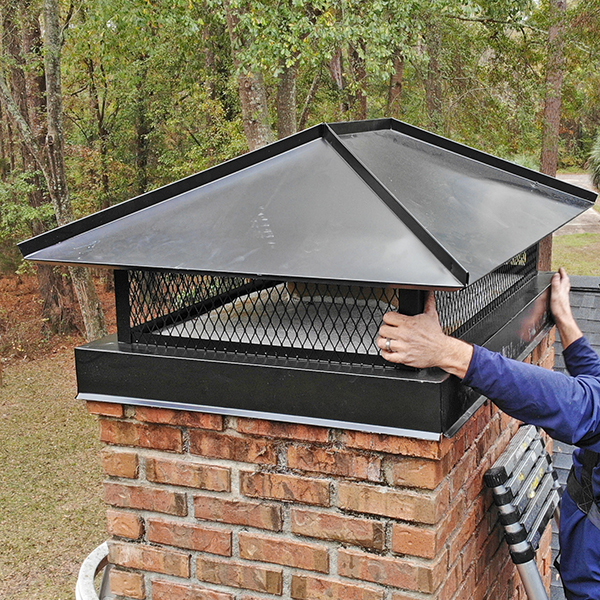
Custom chimney caps are another area where we see homeowners making upgrades that pay off. Beyond aesthetics, a properly fitted cap keeps water, debris, and animals out of the flue. It’s one of the most cost-effective ways to extend the life of a chimney, and the difference between a standard galvanized cap and a custom copper or stainless unit is significant both in appearance and longevity.
Wrentham was settled in 1661, which means a lot of the homes in Greenville are working with original masonry that has real character worth preserving. Masonry restoration — done correctly, with mortar matched to the original lime-based mix — can bring those structures back without erasing what makes them distinctive.
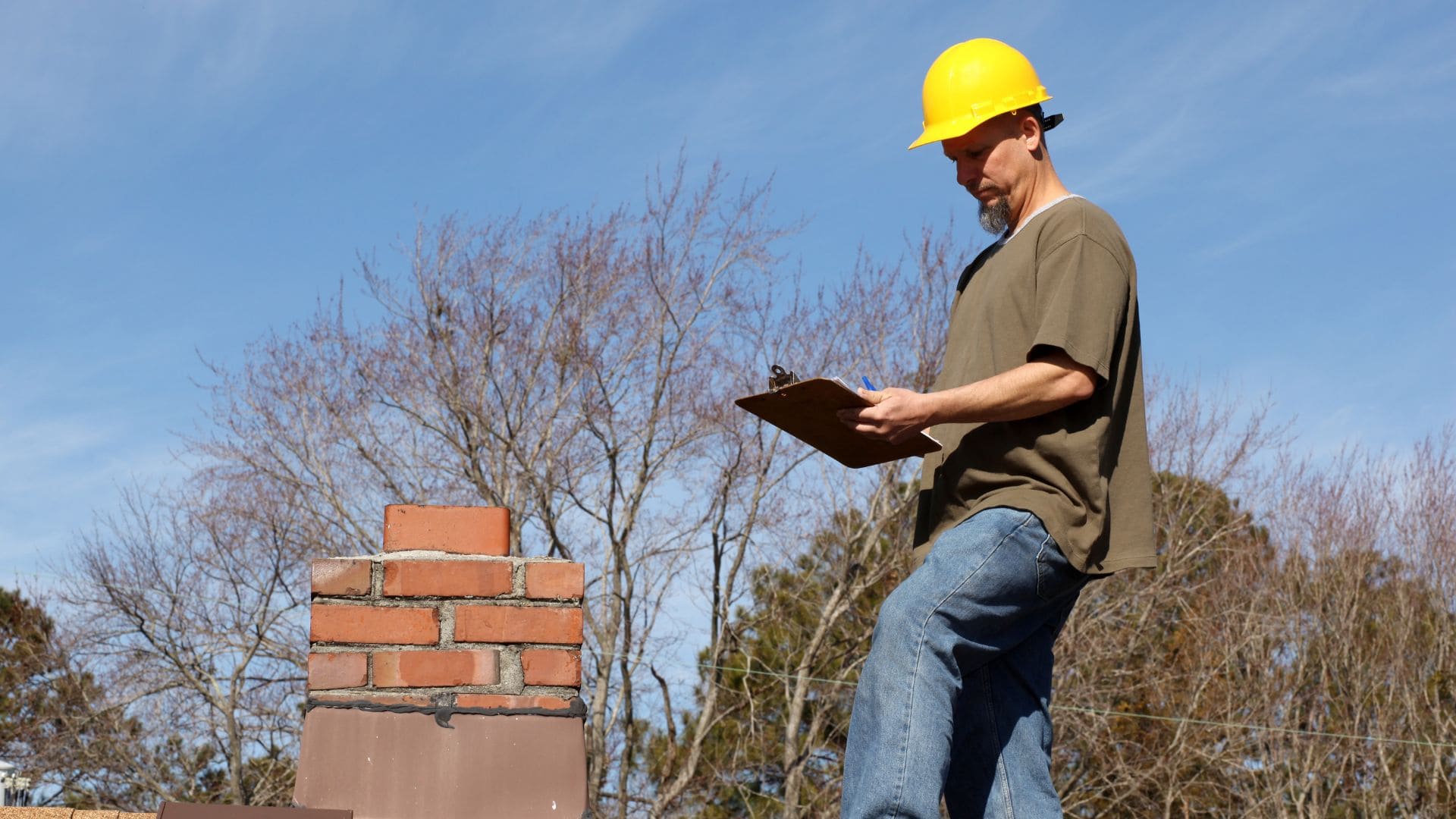
One of the most common questions we hear is some version of: “Is this fixable, or do I need to start over?” The honest answer is that it depends — and the only way to know is a proper inspection, not a guess from the driveway.
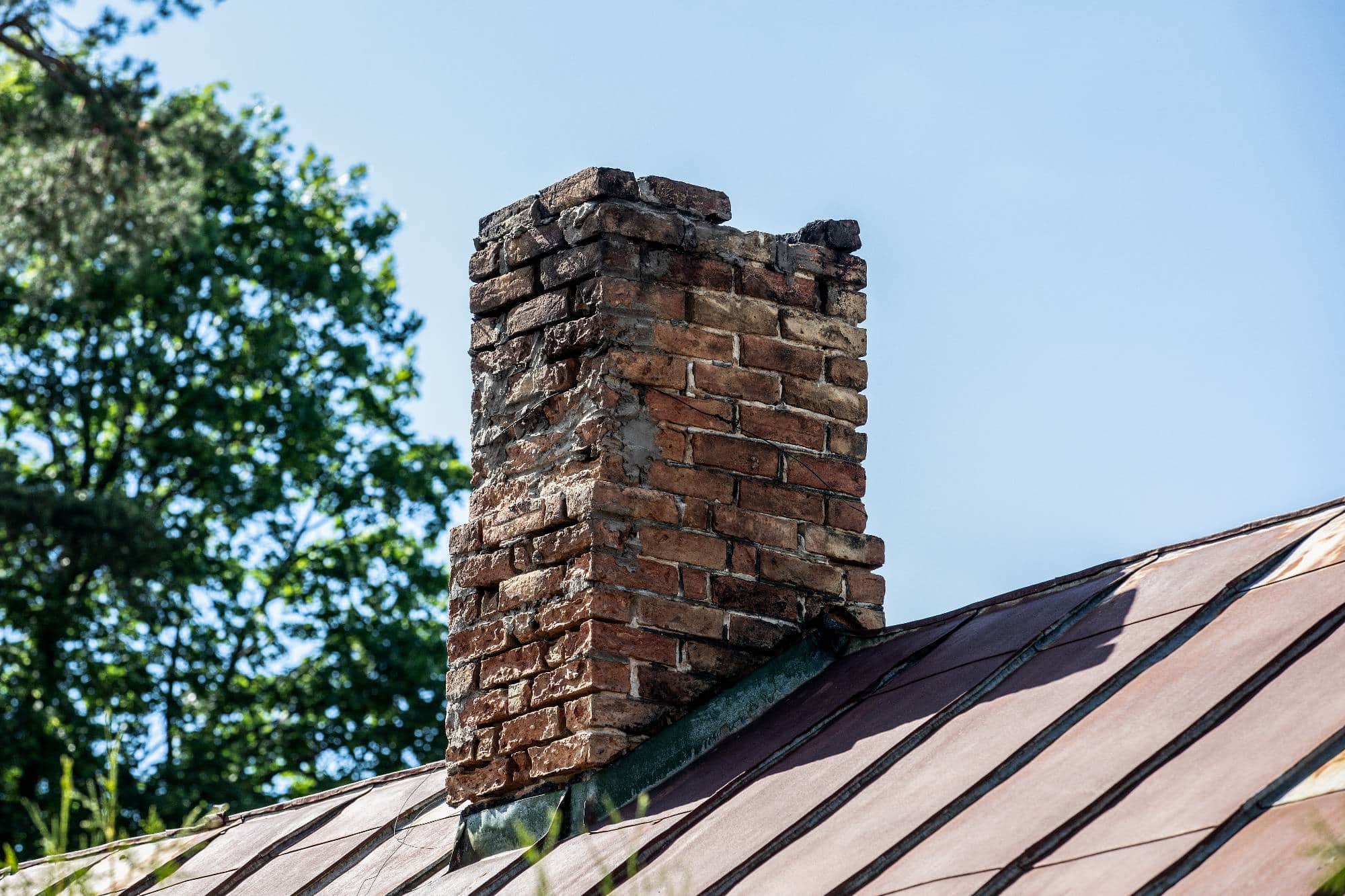
What we can tell you is that most chimneys in Greenville don’t need to be torn down. They need to be assessed accurately and repaired in the right sequence, starting with whatever is driving the deterioration. That’s usually water. And water damage in a New England chimney almost always traces back to a failed crown, deteriorated mortar joints, compromised flashing, or some combination of all three.

Masonry restoration is not the same as patching. That distinction matters more than most homeowners realize, and it’s the reason so many “repaired” chimneys end up right back in trouble within a season or two.
A proper restoration starts with a full assessment of what’s failing and why. If water is getting in through the crown, applying new mortar to the joints below it is a temporary fix at best. The source has to be addressed first. From there, the work typically moves from top to bottom — crown repair or replacement, flashing, mortar repointing, brick replacement where needed, and waterproofing as a final protective layer.
Mortar matching is one of the most technically important parts of this process, and it’s where a lot of contractors cut corners. The mortar used in older homes — particularly the pre-1950s construction you’ll find throughout Greenville — was typically a softer lime-based mix. If you repoint those joints with a modern portland cement mortar that’s harder than the surrounding brick, the stress from freeze-thaw movement transfers into the brick itself rather than the joint. The result is brick faces popping off and accelerating damage. Getting the mix right requires knowing what you’re working with, not just grabbing whatever’s on the shelf.
Chimney liner condition is also part of this conversation. A structurally sound chimney with a deteriorated liner is still a safety issue. We install stainless steel liners for wood-burning, gas, and oil appliances, and that’s typically part of any comprehensive restoration project where the original liner has aged out.
**Can I put stone veneer over my existing brick fireplace?** In most cases, yes. Thin stone veneer is designed to be applied over existing masonry without structural modification. The key is making sure the underlying brick and mortar are in sound condition first. If there’s active water damage or significant deterioration, that needs to be resolved before any new material goes on top. For Greenville homeowners with older homes, we always do a full assessment before recommending a veneer installation — the last thing you want is a beautiful new surface over a problem that’s still getting worse underneath.
**How do I know if my chimney actually needs work, or if I’m being oversold?** This is a fair question, and we hear it often. The honest answer is: get a documented inspection with photos. Any reputable masonry contractor should be able to show you exactly what they’re seeing and explain why it needs attention. If someone is quoting you a major rebuild without showing you the evidence, that’s a red flag. Visible signs that warrant a real look include mortar that crumbles when you press it, brick faces that are flaking or popping off, white staining on the exterior (called efflorescence, which signals water movement through the masonry), and any water staining on interior ceilings near the chimney.
**What time of year is best for masonry work in Greenville, MA?** Spring and fall are the ideal windows. Spring is when freeze-thaw damage from the winter becomes fully visible, and the temperatures are right for mortar to cure properly. Fall is when homeowners are preparing fireplaces and heating systems for use. Mortar-based repairs shouldn’t be done when temperatures are below 40°F or expected to drop below that within 24 hours of application — which rules out most of January and February for exterior work in Greenville. If you’ve been putting off a repair, spring is the time to move on it before another winter compounds the damage.
**Does masonry work require a permit in Massachusetts?** For structural work — chimney construction, significant repairs, liner installations — yes, permits are typically required. Massachusetts also requires contractors performing this work to hold a Specialty Construction Supervisor License in Masonry. It’s worth asking any contractor you’re considering whether they’re licensed under Massachusetts law. Hiring someone who isn’t puts you in a difficult position if something goes wrong, and it can affect your homeowner’s insurance coverage.
The masonry on your chimney and fireplace is doing more work than most people give it credit for. It’s keeping water out of your home, keeping combustion gases safely contained, and — when it’s done well — adding real character to a house you’ve invested in.
Getting it right means working with someone who understands what New England’s climate actually does to masonry over time, who uses materials matched to the conditions, and who will tell you honestly what needs attention and what can wait.
We’ve been doing this work in Norfolk and Plymouth counties since 1986. If you’re in Greenville or the surrounding area and you’re not sure where your chimney or fireplace stands, reach out to us at 781-297-7890. We’ll give you a straight answer.
Article details:
Share:
Continue learning: