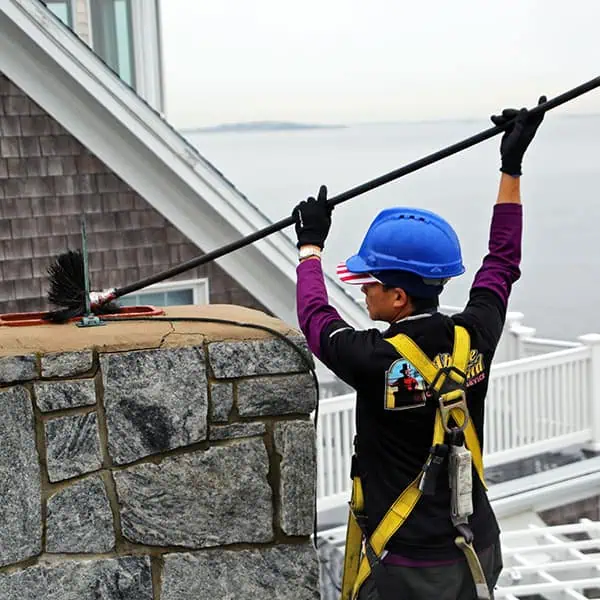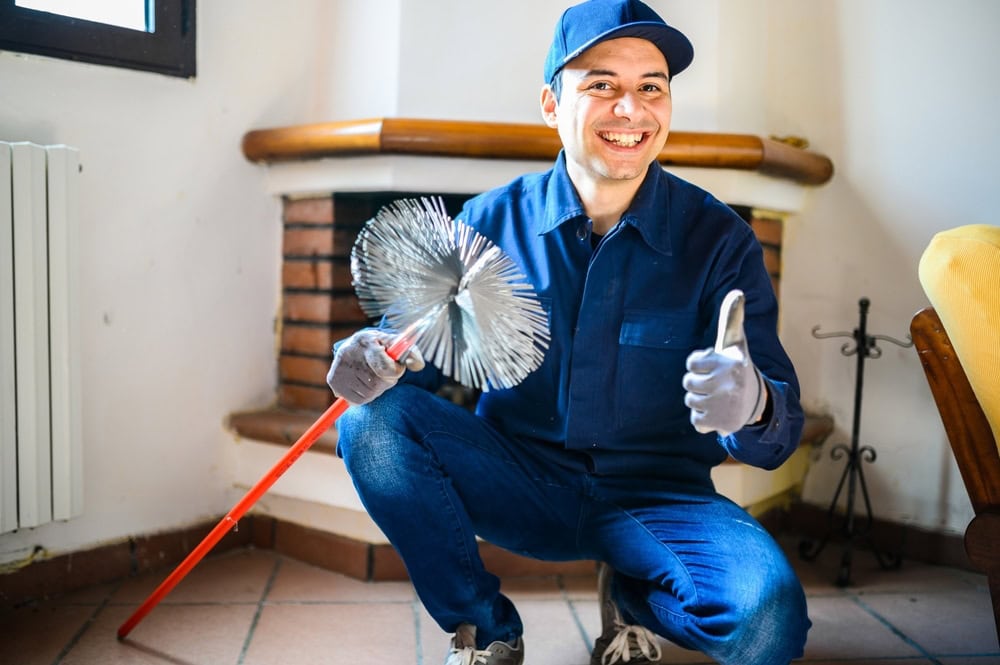
A chimney sweep involves a lot more than brushing out soot. Here's what a real, professional service should always cover — and why it matters for your Norfolk County home.
Share:
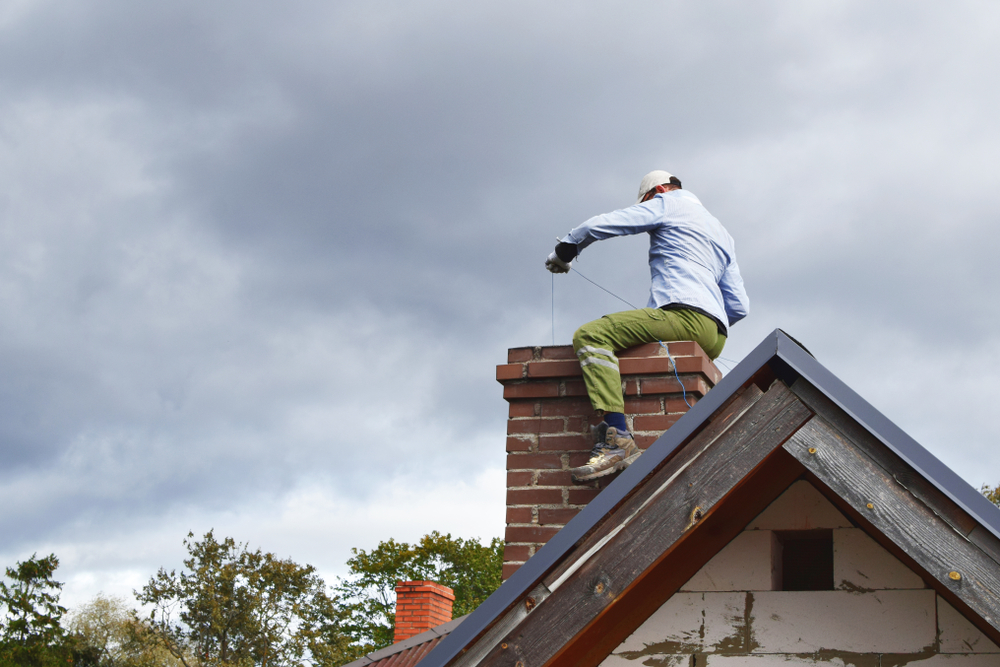
Every fall, Norfolk County homeowners start thinking about their chimneys. Maybe you’re getting ready to light the first fire of the season. Maybe a neighbor mentioned they just had theirs done. Maybe someone knocked on your door with a suspiciously low price and a sense of urgency you couldn’t quite shake.
Whatever brought you here, the question underneath is usually the same: what should a chimney sweep service actually include? Because if you don’t know what good looks like, you can’t tell when you’re getting something less.
A chimney sweep is not just a technician with a brush who cleans out soot. A legitimate, professional service includes a systematic inspection of your entire chimney system — not just the flue — alongside the actual cleaning. The two go together. One without the other isn’t a complete job.
NFPA 211, the national standard that governs chimney inspection and maintenance, mandates annual inspection of all chimney and venting systems. That includes your wood-burning fireplace, yes — but also your furnace flue and water heater vent. If a company shows up, brushes the flue, and leaves without inspecting anything, they haven’t done what the standard requires.
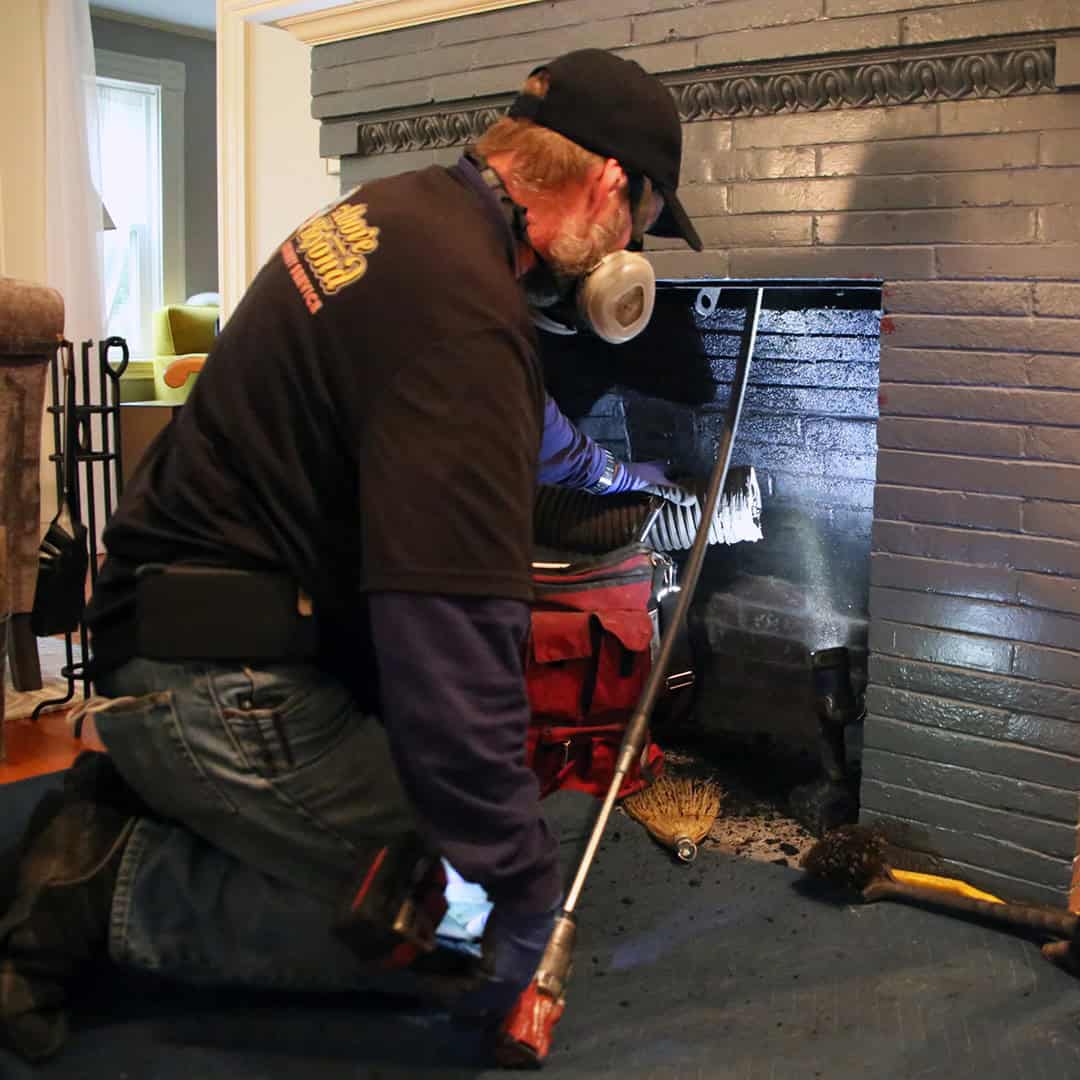
Here’s what a thorough chimney sweep service should always cover. Use this as a checklist the next time you’re evaluating a company — or wondering whether the one you just hired actually did the job.
**Exterior inspection.** A technician should examine the exterior of your chimney, including the chimney crown, the cap, the flashing where the chimney meets the roofline, and the masonry itself. Spalling bricks, cracked crowns, and failed flashing are common in Norfolk County because of how hard our winters are on masonry. The freeze-thaw cycle here — temperatures dropping below freezing and then climbing again, sometimes multiple times in a single week — forces water in and out of mortar joints and accelerates deterioration faster than in warmer climates. If a technician doesn’t look at the outside of your chimney, they’ve already missed something critical.
**Firebox and smoke chamber examination.** Inside, the firebox and smoke chamber need to be examined for cracks, damaged firebrick, and deteriorating mortar. The damper should be checked for function and fit. These components work together to control airflow and contain combustion gases — if any one of them is compromised, the whole system is affected.
**Flue liner inspection with camera equipment.** The flue liner inspection is arguably the most important part of the visit. Cracked flue liners account for roughly 25% of chimney fires, according to the CSIA — and they’re invisible without a proper inspection. We use camera systems to examine the interior of the flue in real time. You can’t see a crack with a flashlight. If the company you’re considering doesn’t mention camera equipment, ask about it directly.
**Creosote assessment.** Creosote builds up in three stages: Stage 1 is light, flaky soot that brushes out easily. Stage 2 is a tar-like coating that requires more aggressive removal. Stage 3 is glazed, hardened buildup that is both the most dangerous and the most expensive to deal with. A professional sweep identifies what stage you’re dealing with and explains what it means for your home.
**Professional cleaning with dust containment.** The actual cleaning — mechanical brushing of the flue, removal of all debris — should be done with HEPA-filtered vacuums that contain soot and ash so it doesn’t end up on your carpet or furniture. Multi-layer drop cloths should be laid down before work begins. If a technician shows up without either of those things, your living room is going to tell the story afterward.
**Written findings.** You should receive written documentation of what was inspected, what was found, and what — if anything — needs attention. You should walk away with a clear picture of your chimney’s condition, not just a verbal “looks good” on the way out the door.
The Massachusetts BBB has issued chimney scam warnings across dozens of communities in this state, and several of those warnings were directed specifically at Norfolk County towns — Walpole, Stoughton, Sharon, and Wrentham among them. The pattern is consistent: a company solicits with a very low price, shows up, performs little to no real work, and then either disappears or pressures the homeowner into expensive repairs for problems that may not exist.
Knowing this pattern exists is the first layer of protection. The second is knowing what to verify before anyone comes to your home.
**CSIA certification.** The Chimney Safety Institute of America tests technicians on all three levels of NFPA 211 inspection and holds them to a code of ethics that includes commitments around honesty, transparent pricing, and proper scope of work. You can verify any individual’s CSIA certification at search.csia.org — it takes about thirty seconds. If a company can’t point you to a certified technician, that’s a meaningful red flag.
**Massachusetts Home Improvement Contractor license.** In Massachusetts, any company performing structural or repair work on your home is required to hold a Home Improvement Contractor license issued by the state. This is separate from chimney-specific certifications and applies to liner installation, chimney rebuilding, and masonry repair. Ask for the HIC license number. A legitimate company will have it and won’t hesitate to share it.
**Clear communication and documentation.** Pay attention to how a company communicates. Do they explain what they found and why it matters? Do they answer your questions without pressure? Do they give you written documentation of their findings? A company that rushes through the explanation, creates urgency around repairs, or can’t give you anything in writing is showing you something important about how they operate.
Norfolk County has some of the oldest housing stock in Massachusetts. Communities like Quincy, Weymouth, Dedham, and Milton are full of homes built in the 1920s through the 1950s — many with original masonry chimneys, clay tile flue liners that have been in place for decades, and fireplaces that were designed for wood burning but are now connected to gas appliances.
Older homes in Norfolk County often have no liner at all. That’s not a minor issue. Without a properly fitted liner, toxic combustion gases and heat transfer become serious risks. A chimney sweep service that doesn’t account for the age and construction of your specific system isn’t giving you a complete picture of what you’re working with.
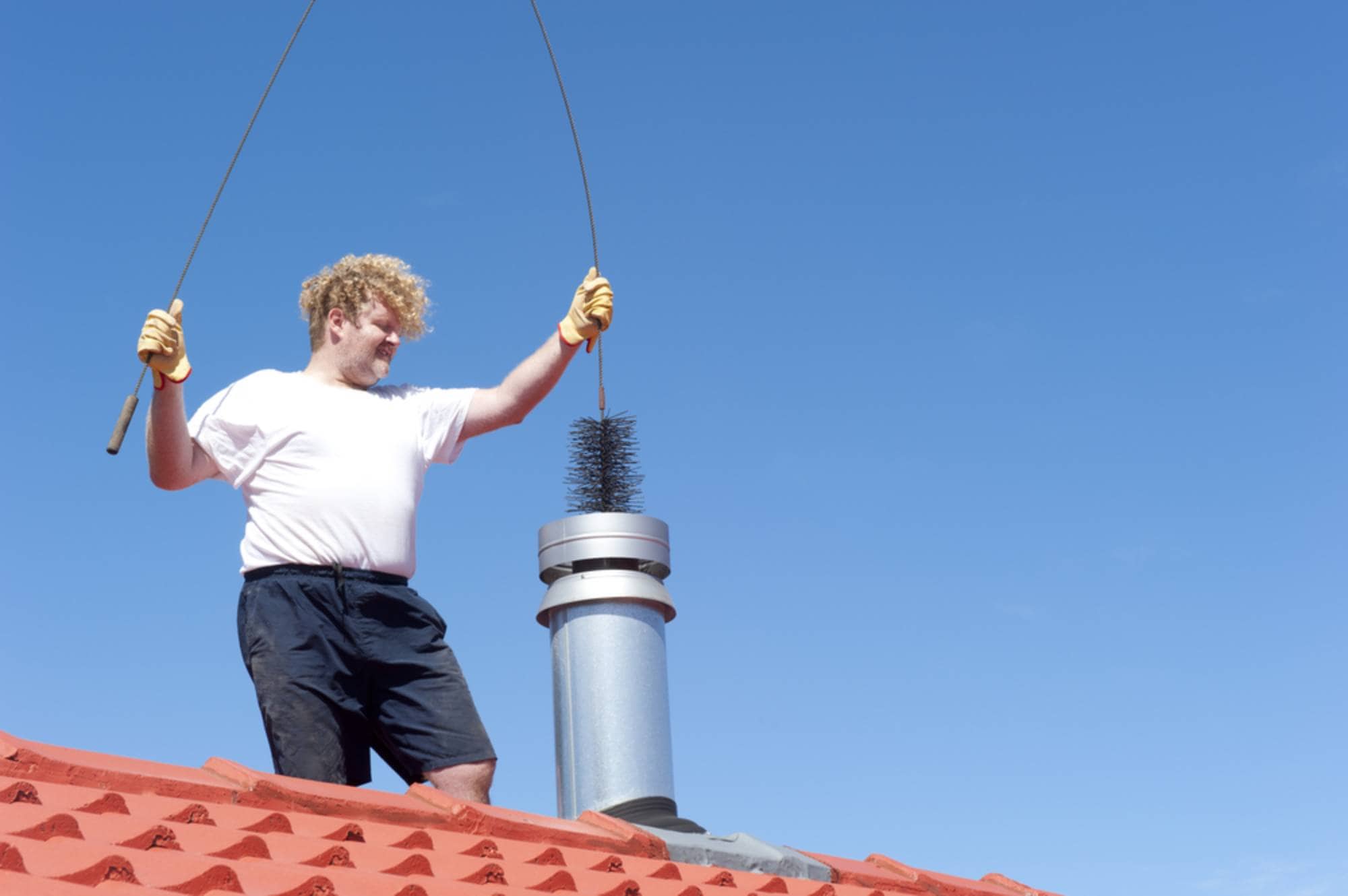
This is one of the most common questions we hear, and the answer is yes — and it applies to more of your home than most people realize.
NFPA 211 doesn’t just cover wood-burning fireplaces. It covers every chimney and venting system in your home, including the flue connected to your gas furnace and your water heater. Those appliances produce combustion gases that need to exit your home safely through a properly functioning vent. When that vent is blocked, cracked, or deteriorating, those gases — including carbon monoxide — can back up into your living space.
Carbon monoxide is odorless and colorless. You won’t know it’s there until someone gets sick. That’s why annual inspection of every venting system in your home is a standard, not a suggestion.
For Norfolk County homeowners specifically, the combination of aging housing stock and heavy seasonal use makes this even more relevant. Many homes in Norwood, Braintree, and Weymouth have furnace flues that haven’t been properly inspected in years, sometimes because the homeowner assumed the annual furnace tune-up covered it. It doesn’t. The furnace technician checks the appliance. A certified chimney sweep checks the venting system the appliance relies on. Those are two different things.
A complete ventilation cleaning service addresses not just your fireplace flue but every venting system connected to your home’s heating appliances. If your current provider only looks at the fireplace, ask them directly whether they inspected the furnace flue. If they didn’t, you have an incomplete picture of your home’s safety.
The CSIA recommends annual sweeping for all wood-burning appliances, and NFPA 211 mandates annual inspection for all chimney and venting systems regardless of how often they’re used. Once a year is the standard — not every few years, not only when you notice a problem.
Chimneys deteriorate whether you use them or not. An unused chimney can develop blockages from bird nests, animal activity, and debris that accumulates in the flue over time. A chimney that sees heavy use accumulates creosote. Both situations create risk, and neither one announces itself visibly from inside your home.
For homeowners in Norfolk County, the annual schedule matters even more because of how aggressively our climate affects masonry. The freeze-thaw cycles that run from late fall through early spring put constant stress on chimney crowns, mortar joints, and flashing. A crack that’s minor in October can become a water infiltration problem by March. Catching it during an annual sweep — before it becomes a repair — is almost always less expensive than addressing it after the damage compounds.
For homes with older clay tile liners — common throughout Quincy, Weymouth, Milton, and Dedham — the annual sweep is when liner condition gets assessed. This inspection catches deterioration before it reaches the point of a full reline. Liner installation is a significant job. Finding the problem early gives you options. Finding it after a chimney fire does not.
If you’ve moved into a home and don’t know the last time the chimney was serviced, schedule an inspection before you use it. A Level 2 inspection — the kind typically required during a real estate transaction — gives you a complete picture of the system’s condition, including a camera examination of the flue interior. It’s the right starting point when you don’t have a service history to rely on.
The seven things covered in this guide — exterior inspection, firebox and smoke chamber examination, damper check, camera-based flue liner inspection, creosote assessment, proper dust containment, and written findings — aren’t extras. They’re what a legitimate chimney sweep service includes by definition. If a company isn’t delivering all of them, they’re not delivering a complete job.
In a market where the BBB has documented scam operators targeting homeowners in Walpole, Stoughton, Sharon, and Wrentham, knowing what to look for matters. Credentials are verifiable. Written documentation is reasonable to expect. A company that communicates clearly and doesn’t pressure you into same-day decisions is showing you exactly how they operate.
If you’re ready to schedule a chimney sweep service for your Norfolk County home — or you just want to talk through what your chimney actually needs — we’re here to help. You can reach us by phone, email, or text at 1-781-635-9582.
Article details:
Share:
Continue learning: