Level 1, Level 2, Level 3 — most homeowners have no idea what these mean or which one applies to them. Here's how to figure it out.
Share:
Most homeowners have heard they should get their chimney inspected. Fewer know there are three different levels of inspection — and that getting the wrong one can leave serious problems completely undetected. Whether you’re prepping your fireplace for winter, buying a house on the South Shore, or just trying to figure out why a contractor is recommending repairs, the level of inspection you receive matters more than most people realize. This guide breaks down what each level actually covers, when each one is required, and what a legitimate inspection should look like — so you can make an informed decision before anyone sets foot in your home.
The three levels of chimney inspection are defined by NFPA 211 — the national standard that governs chimney safety in the United States. Think of them as a ladder. Each level builds on the one before it, and each one is triggered by a specific set of circumstances.
A Level 1 is the baseline annual checkup. A Level 2 goes deeper and is required any time something significant changes — a home sale, a fuel type switch, or a chimney fire. A Level 3 is the most invasive and is reserved for situations where hidden structural damage is suspected.
Knowing which level applies to your situation in Norfolk County isn’t complicated once you understand what each one actually involves. The confusion usually comes from contractors who don’t explain the difference clearly — or homeowners who assume that any inspection is the same as any other.
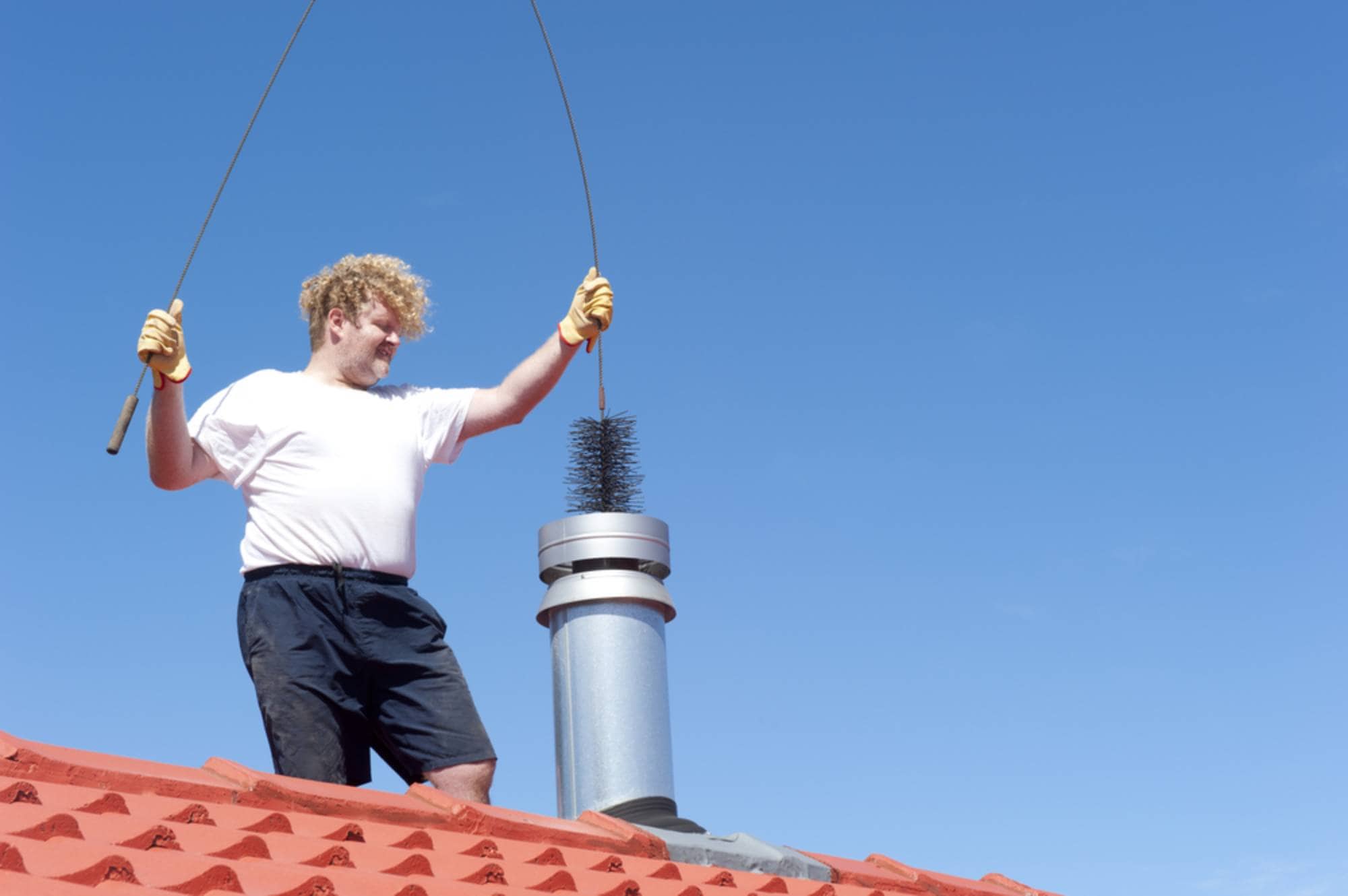
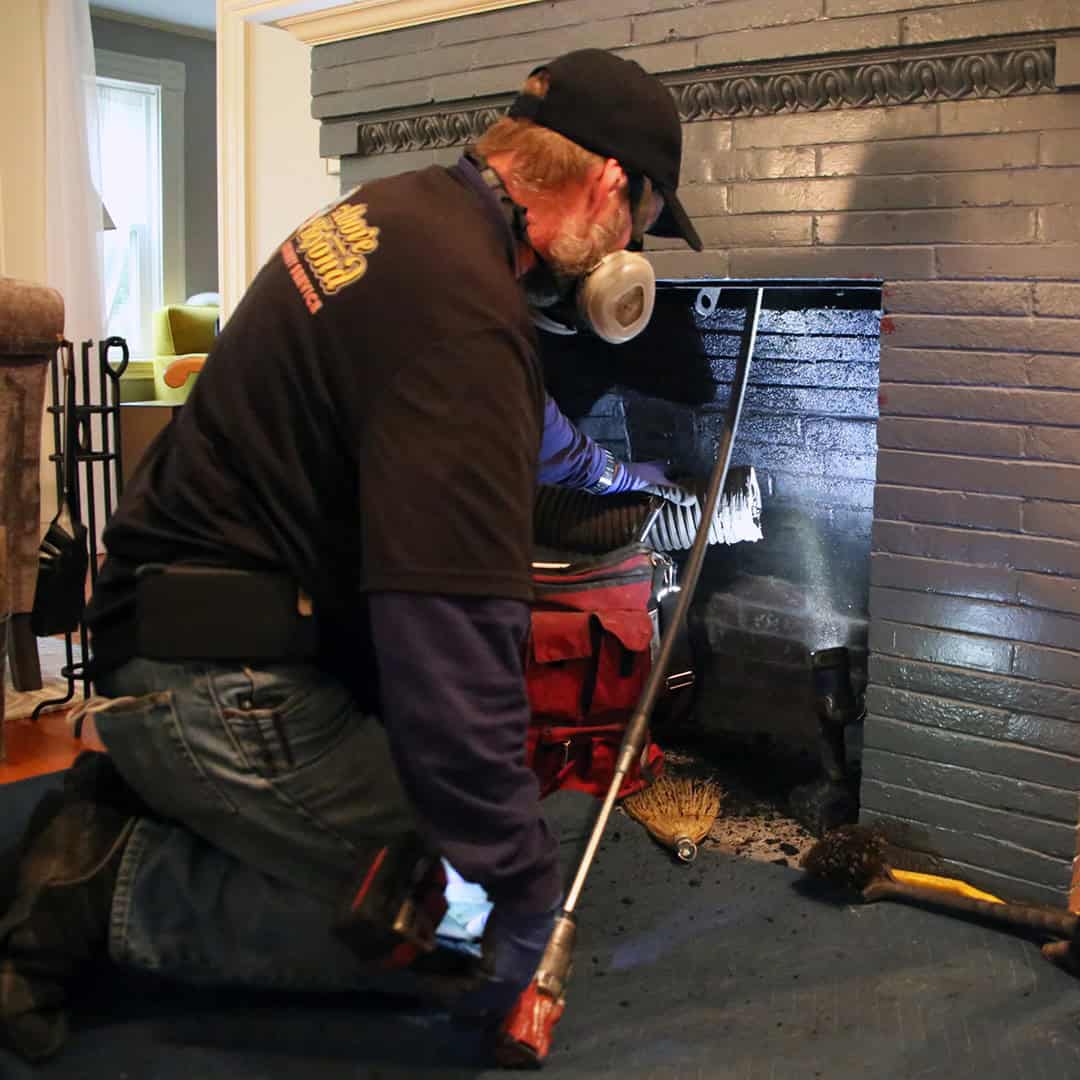
A Level 1 inspection covers all the readily accessible parts of your chimney system — the firebox, the damper, the smoke chamber, and the exterior components you can see without moving anything or opening up walls. The technician checks for obvious blockages, visible deterioration, and anything that might indicate a safety concern. It’s the appropriate choice when nothing about your system has changed: same fuel type, same appliance, no recent events, and the chimney has been regularly maintained.
A Level 2 inspection goes further. It includes everything in a Level 1, plus a video camera scan of the interior flue — the part of your chimney you cannot see with the naked eye. That internal scan is where the real diagnostic value lives. Cracks in the flue liner, hidden creosote deposits, and gaps that can allow carbon monoxide to migrate into your living space are all things that only show up under camera.
If you’re buying a home in Norfolk County, a Level 2 inspection is required by NFPA 211 — full stop. It’s also required any time you change your heating fuel, reline the flue, or experience a chimney fire or severe weather event.
This distinction matters because many homeowners — and even some general home inspectors — assume that a visual check of the firebox is sufficient. It isn’t, not for the situations that actually put families at risk. A general home inspector is not a chimney specialist and is not equipped to perform a compliant Level 2 inspection. They can note that the chimney exists and that nothing is obviously falling apart, but they cannot see inside the flue.
In Norfolk County, where a significant portion of the housing stock predates 1970 and many homes still have original clay tile liners, that internal scan is often where the most important findings are made. Clay tile liners degrade over time, especially when homes switch from oil to gas heat — a common upgrade in communities like Dedham, Weymouth, and Braintree — because modern high-efficiency appliances produce cooler exhaust that clay tile wasn’t designed to handle long-term.
If you’ve recently purchased a home and the home inspector noted the chimney looked “okay,” that’s not the same as a Level 2 inspection. It’s worth understanding that distinction before you light the fireplace for the first time.
A Level 3 inspection is the most comprehensive — and the most disruptive. It covers everything in Levels 1 and 2, but it also allows for the removal of components like chimney caps, dampers, or even portions of the structure itself when hidden damage is suspected and cannot be evaluated any other way. It’s not something that comes up in routine maintenance. It’s reserved for specific, serious situations.
The most common trigger is a chimney fire. If you’ve had a chimney fire — even a small one that you may not have noticed at the time — a Level 3 inspection may be warranted to assess whether the heat caused internal structural damage that isn’t visible from the flue opening. Lightning strikes are another trigger, as are situations where a Level 2 inspection reveals something that can’t be fully evaluated without opening up part of the structure.
In practice, most homeowners in Norfolk County will never need a Level 3 inspection. But if you’ve had a chimney fire, experienced a significant storm event, or a technician performing a Level 2 has flagged something that requires a closer look, it’s the appropriate next step — not an upsell.
A legitimate chimney professional will explain exactly why they’re recommending it and what they expect to find. If that explanation isn’t forthcoming, ask for it in writing before agreeing to anything. Older homes in communities like Milton, Quincy, and Cohasset — many of which were built with multiple fireplaces and chimneys serving different parts of the house — sometimes present structural questions that simply can’t be answered without a more thorough look. The goal is always clarity, not alarm.
A fireplace inspection isn’t just someone shining a flashlight into your firebox and telling you it looks fine. A proper inspection — whether it’s for your wood-burning fireplace, a gas insert, or the masonry surround — should produce a written report with photos, findings organized by urgency, and a plain-language explanation of what was found and why it matters.
That documentation is what makes an inspection useful. It’s what your insurance company may ask for. It’s what a real estate attorney references at closing. And it’s the only thing that lets you evaluate, with any confidence, whether the recommendations you’re receiving are legitimate.
This is the question most homeowners are actually asking when they search for chimney inspection information. They want to know if the person coming to their house is going to tell them the truth — or manufacture a problem to sell them a repair.
It’s a fair concern. The chimney industry, like any home services trade, has its share of operators who use vague verbal assessments, no written documentation, and pressure tactics to close jobs on the spot. The good news is that there are a few concrete things you can verify before and after any inspection that will tell you a lot about the company you’re dealing with.
Start with certification. CSIA certification — from the Chimney Safety Institute of America — is the primary credential in this industry. Technicians who hold it have been tested on NFPA 211 standards and are required to maintain their knowledge through continuing education. It’s not a guarantee of honesty, but it’s a meaningful baseline. NCSG membership, from the National Chimney Sweep Guild, is a secondary signal that the company takes professional standards seriously.
Then look at what they leave behind. A legitimate inspection produces a written report — not a verbal summary at the kitchen table. That report should include photos of any findings, a description of what was observed, and a clear distinction between issues that require immediate attention and those that can be monitored over time. If a company can’t provide that documentation, the inspection has limited value regardless of what was said.
Finally, pay attention to how recommendations are framed. A trustworthy inspector explains why a repair is necessary — what the specific risk is, what happens if it’s deferred, and what the repair actually involves. If the conversation feels rushed, the findings feel vague, or you’re being pressured to authorize work before you’ve had time to think, those are red flags worth taking seriously. You’re entitled to a second opinion. Any reputable company will tell you the same.
We’re CSIA-certified and NCSG members, and every inspection we perform includes a written report with photos. We don’t pressure anyone into repairs — we explain what we found and why it matters, and we let you decide what to do next.
It does, and not just because of certification. The specific conditions that affect chimneys in Norfolk County — the freeze-thaw cycling that runs from November through March, the coastal humidity and salt air in South Shore communities like Cohasset, Hingham, and Weymouth, the large inventory of pre-1950 homes with aging clay tile liners or no liner at all — these are things that a company with genuine local experience handles differently than a generalist or a franchise operator who’s new to the area.
Freeze-thaw cycles are particularly hard on masonry chimneys. Water infiltrates small cracks in the mortar joints, freezes, expands, and widens those cracks over successive winters. What starts as a minor maintenance item becomes a structural issue if it’s missed for a few inspection cycles. Coastal salt air accelerates the same process for homes closer to the water.
A company that understands this pattern — and knows what to look for in a chimney that’s been through twenty or thirty New England winters — is going to catch things that someone without that context might miss.
Older homes present their own set of considerations. Norfolk County has a substantial number of colonial, cape, and antique-style homes, many with original masonry chimneys that were built for wood or oil heat and have never been relined. When those homes convert to natural gas — a common upgrade in towns like Canton, Sharon, and Norwood — the existing flue may be improperly sized or incompatible with the new appliance. That mismatch is a Level 2 trigger under NFPA 211, and it’s one of the most commonly missed inspection scenarios we see. Homeowners assume the HVAC contractor handled it. They often haven’t.
We operate out of Cohasset and Dedham — both in Norfolk County — and we run multiple vans across the county and beyond. We’ve worked on everything from straightforward annual inspections in newer construction to multi-chimney restoration projects in homes dating back to the early 1800s. That range of experience shapes how we approach every inspection we do, regardless of the home’s age or complexity.
If nothing has changed and your chimney has been regularly maintained, a Level 1 is likely appropriate. If you’re buying or selling a home, switching fuel types, or you’ve had any kind of significant event — storm, fire, or lightning — a Level 2 is required, not optional. And if a Level 2 turns up something that can’t be fully evaluated without going deeper, a Level 3 may be the next step.
What matters most is that you receive a written report, that the findings are explained clearly, and that you feel confident the recommendations you’re getting are based on what’s actually there — not on what generates the most repair revenue.
If you’re in Norfolk County and you’re not sure where to start, Above and Beyond Chimney Service is happy to talk it through. You can reach us by call or text at 1-781-635-9582. No pressure, no jargon — just a straight answer about what your chimney actually needs.
Article details:
Share:
Continue learning: