Gas fireplaces burn clean, but that doesn't mean they take care of themselves. Here's what annual maintenance actually covers — and why skipping it is a gamble.
Share:
Gas fireplaces have a reputation for being easy. No wood to split, no ash to scoop, no creosote building up in the flue. Flip a switch and you’ve got heat. That convenience is real — but somewhere along the way, “easy to use” became “doesn’t need attention,” and that’s where things go sideways.
The truth is, gas fireplaces are appliances. And like any appliance running combustion inside your home, they need to be checked. Annually. By someone who knows what they’re looking at. If yours hasn’t been serviced in a while — or ever — this is a good time to understand what that actually means and why it matters.
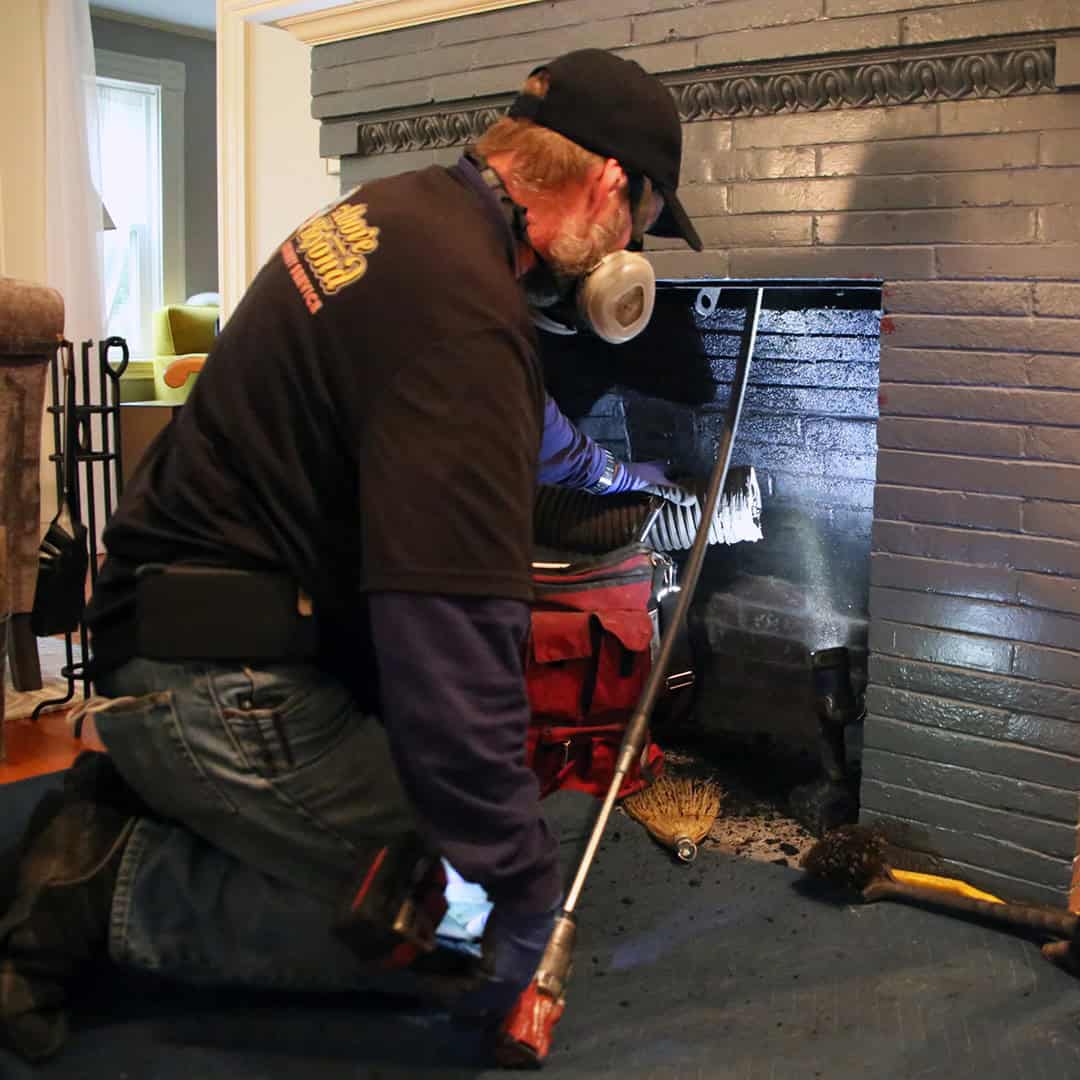
A gas fireplace service isn’t a chimney sweep. There’s no soot to brush out, no creosote to worry about. What a qualified technician is doing instead is a systematic inspection of every component that makes the appliance run safely — and cleaning the parts that accumulate debris even in a “clean-burning” system.
That includes the pilot assembly, the burner ports and orifices, the thermocouple or thermopile, the gas valve connections, the venting system, the glass seal and gasket, the log set or media, and the ignition and safety controls. Each one of those components can fail quietly — without any obvious sign — until the problem becomes serious. A good fireplace service catches those issues before they escalate.
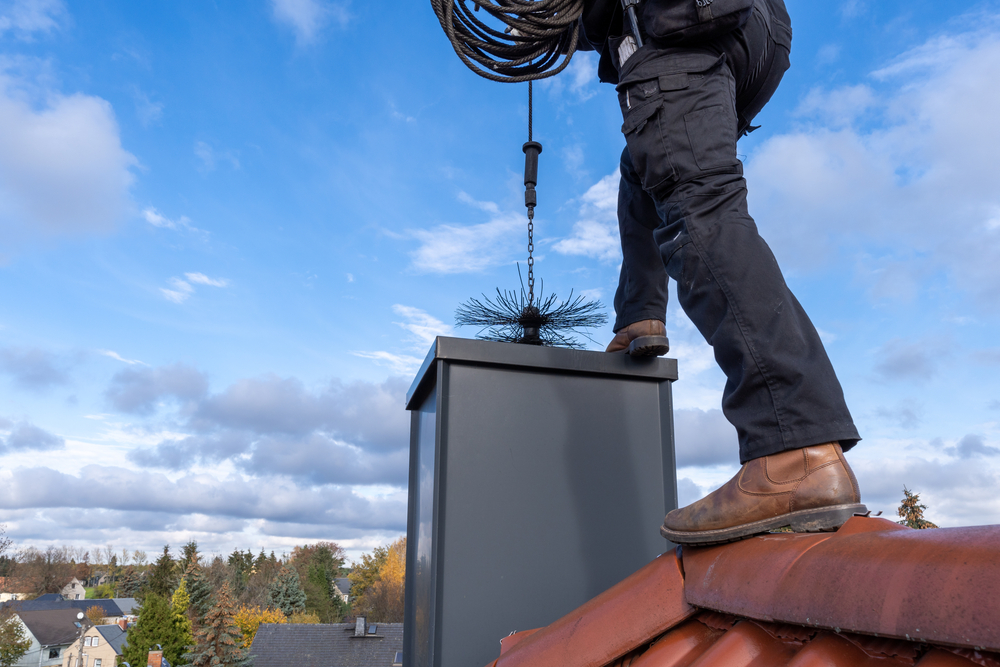
Here’s the part that surprises most people. Even though gas burns clean, the inside of your fireplace is not a sealed environment. Dust, pet hair, and even insects find their way into the burner ports and orifices over time. When those openings get clogged, the appliance can’t burn fuel properly.
The result is incomplete combustion — which means the flame pattern changes, efficiency drops, and in some cases, carbon monoxide output increases. Gas fireplace cleaning addresses this directly. A technician will clear the burner ports, clean the pilot assembly, remove any debris from the firebox interior, and clean the glass inside and out.
It sounds routine, but the difference between a properly cleaned burner and a partially clogged one isn’t just cosmetic. It affects how the appliance performs and, more importantly, how safely it vents combustion gases out of your home.
The venting side of the inspection is where things get especially important for older Norfolk County homes. Many properties across Dedham, Milton, Weymouth, and Quincy — particularly the pre-1960 colonials and Cape Cod-style houses common throughout the region — were built with masonry chimneys designed for wood or oil.
Those chimneys are often oversized for modern gas appliances, which run cooler and produce acidic condensate. When that condensate hits an oversized clay tile flue, it doesn’t vent cleanly — it sits, it cools, and it slowly deteriorates the liner. A venting inspection during annual service can identify this before it becomes a structural problem.
This is also why we use calibrated instruments during our gas fireplace service — not just a visual check. Draft testing and gas leak detection require actual equipment, not guesswork. The goal is to leave knowing the appliance is functioning as it should, not just assuming it is because nothing looks obviously wrong.
Once a year. That’s the answer, and it comes from the National Fire Protection Association’s NFPA 211 standard, which requires annual inspection of all chimneys, fireplaces, and venting systems — including gas appliances. Manufacturer warranties frequently echo this requirement, as does every NFI-certified gas hearth technician who has worked on these systems long enough to see what deferred maintenance looks like.
The pushback we hear most often is some version of: “It’s been working fine, so it must be fine.” That logic makes sense for a lot of things. It doesn’t hold up well for gas appliances, because the failure modes that matter most — venting degradation, a failing thermocouple, a slow gas valve leak — often have no visible symptoms until they don’t.
Carbon monoxide is colorless and odorless. You won’t smell a deteriorating liner. The appliance will continue to light and run while problems develop quietly in the background.
Annual service is also the most cost-effective approach over the life of the appliance. A gas fireplace or insert that’s regularly maintained can last well over 20 years. One that isn’t tends to develop problems that are expensive to fix — or that shorten the appliance’s lifespan significantly. A routine service visit is far less disruptive and far less costly than a gas valve replacement or a liner repair that could have been caught early.
Timing matters too. Spring and summer are genuinely the better time to schedule, not because the work is different, but because availability is better and you’re not competing with everyone else who waited until October. If your fireplace sat unused all spring and summer, it’s also had more time to accumulate dust and debris in the burner — which is exactly what a summer service addresses before you need the heat again.
Massachusetts has been aggressively incentivizing natural gas conversions through Mass Save and utility rebate programs for years now. Across Norfolk County — in communities like Canton, Norwood, Walpole, Franklin, and Foxborough — a significant number of homeowners have made the switch from oil to gas heat in the past decade. Many of them had a plumber or HVAC contractor handle the appliance side of the conversion and assumed the chimney was someone else’s concern.
It usually isn’t fine. And this is the part that almost no one explains at the time of conversion.

In most cases, yes. The chimney that served your oil furnace was sized and designed for oil combustion — which runs hotter and vents differently than a modern gas appliance. Gas appliances burn cooler, which means the flue gases cool faster as they travel up the chimney.
In an oversized masonry flue, those gases cool before they exit, condensing into acidic moisture that sits in the liner. Clay tile liners — which are standard in most pre-1980 masonry chimneys across Norfolk County — are not rated for this type of condensate exposure.
Over time, the acid eats into the mortar joints, cracks the tile sections, and creates gaps in the flue. Those gaps allow combustion gases, including carbon monoxide, to migrate into the home rather than vent outside. This isn’t a slow, theoretical risk. It’s a documented failure mode that happens in homes where the conversion was done without addressing the liner.
The fix is a properly sized stainless steel liner insert — specifically an AL29-4C alloy liner for gas furnaces and boilers, which is the alloy rated for the acidic condensate gas appliances produce. For gas fireplaces and inserts, the liner needs to be sized to match the appliance’s BTU output and venting requirements, not the original chimney dimensions. Getting this wrong — or skipping it entirely — means the appliance vents into a deteriorating clay tile system that wasn’t designed for it.
We install chimney liners for gas fireplaces, gas furnaces, oil furnaces, and wood-burning systems across Norfolk and Plymouth counties, using Ventinox, HeatShield, and Golden Flue Masonry Liner systems depending on the application. If you’ve converted from oil to gas and no one has looked at your liner since, that’s worth a conversation sooner rather than later.
When we come out to service a gas fireplace, the visit is more thorough than most homeowners expect. It starts with the appliance itself — cleaning the burner and ports, testing the pilot and ignition system, checking the thermocouple or thermopile, inspecting the gas valve and connections for leaks, and testing the safety controls. We also clean the glass and inspect the gasket seal, which degrades over time and affects both efficiency and safety.
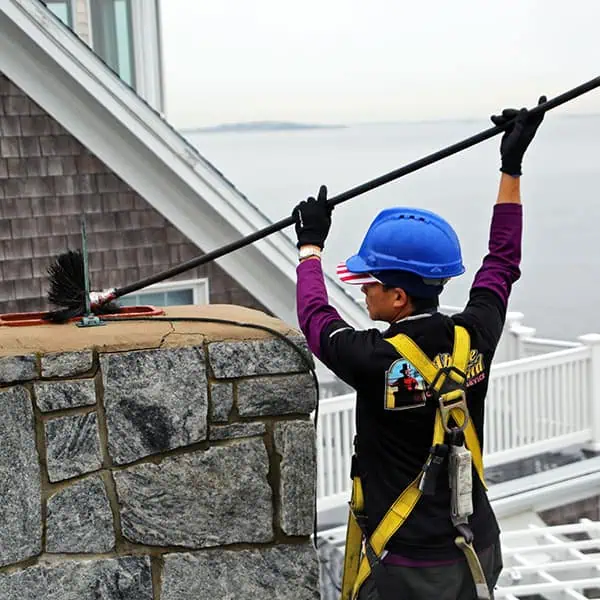
From there, we move to the venting system. For a direct-vent gas fireplace, that means inspecting the coaxial vent pipe and termination cap. For a gas insert vented through a masonry chimney, it means evaluating the liner — its condition, its sizing relative to the appliance, and whether it’s appropriate for the fuel type.
In older Norfolk County homes, this part of the inspection often reveals issues that the homeowner didn’t know existed: liner deterioration, improper sizing from a past conversion, or a missing or damaged chimney cap that’s been letting moisture and wildlife into the flue.
After the visit, you get a written inspection report with photographic documentation. We prioritize findings by urgency so you know what needs to be addressed now and what can wait. There’s no pressure to buy something you don’t need — the point is to give you an accurate picture of what’s going on with your system so you can make an informed decision.
If you’ve had a gas fireplace inspection done and walked away with nothing but a verbal “looks good,” that’s not the same thing. Documentation matters — both for your own records and for insurance purposes if you ever need to make a claim related to a fireplace or venting issue.
Annual gas fireplace maintenance is one of those things that’s easy to defer because the appliance keeps working — right up until it doesn’t, or until a home inspector flags it during a sale, or until a CO detector goes off and you’re scrambling to figure out why.
If your gas fireplace hasn’t been serviced in more than a year, or if you’ve converted from oil to gas and no one has evaluated your chimney liner since, those are both good reasons to get someone out. Spring and summer are ideal — availability is better, and you’ll head into heating season knowing the system is ready.
Above and Beyond Chimney serves Norfolk and Plymouth counties. You can reach us by call or text at 1-781-635-9582. We’re straightforward about what we find and what it means — no unnecessary upselling, just an honest assessment of your system and what it needs.
Article details:
Share:
Continue learning: