Chimney sweep pricing in Massachusetts is all over the place. Here's what Norfolk County homeowners should actually expect to pay — and why it varies.
Share:
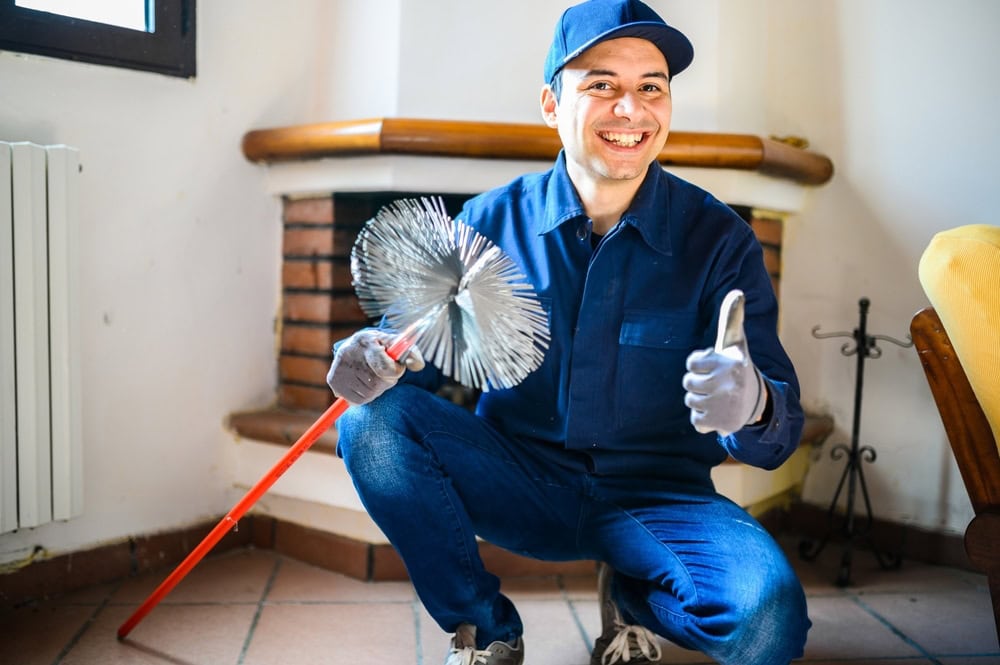
You’ve got a fireplace, you know it needs to be cleaned, and you just want a straight answer on what it’s going to cost. That’s a reasonable thing to want. The problem is that chimney sweep pricing is one of the least transparent areas in home services — you’ll see ads for $49 specials right next to quotes for $350, and nobody explains why.
We’ve been sweeping chimneys in Norfolk County for over 25 years, and the questions we hear most often are about cost. So here’s an honest breakdown — what you should expect to pay, what that price actually covers, and what a suspiciously low number usually means.
For a standard wood-burning fireplace in Norfolk County, a chimney sweep typically runs between $150 and $300. That range reflects differences in chimney size, how long it’s been since the last cleaning, how much creosote has built up, and how accessible your roof is. Homes with steeper pitches or multiple flues will land toward the higher end.
The Boston-area average sits around $272 to $376 according to recent market data — slightly above the national average, which tracks. Labor costs in eastern Massachusetts are higher, and the older housing stock here means more complex work. A cape or colonial in Hingham or Dedham with an original masonry chimney is a different job than a newer prefab system.
Gas fireplace cleaning is generally less involved and runs lower — typically $80 to $150. If you have an oil-fired system, expect pricing closer to the higher end of the wood-burning range.
This is where a lot of confusion starts. Most homeowners assume a “sweep” is just cleaning, and that an inspection is a separate service you pay for on top of it. That’s not how we operate.
When one of our CSIA-certified technicians comes to your home, the sweep and the Level 1 inspection happen during the same visit. They’re not two separate line items — they’re one job. The technician removes creosote, soot, and debris from the flue, smoke chamber, and smoke shelf. At the same time, they’re checking the structural condition of the liner, the damper, the crown, and the firebox. You get a cleaning and a safety assessment in a single appointment.
The reason this matters is that the $49 offers you see advertised — especially in the fall — are designed to separate those two things. The $49 gets a technician in your door. Then the “inspection” reveals a long list of problems that need immediate repair, and suddenly you’re looking at a $1,200 bill for work your chimney may not actually need. The CSIA and the National Chimney Sweep Guild are both direct about this: a legitimate cleaning costs at least $150, and a real inspection runs around $75 on its own. Anyone offering to do both for $49 is not doing both.
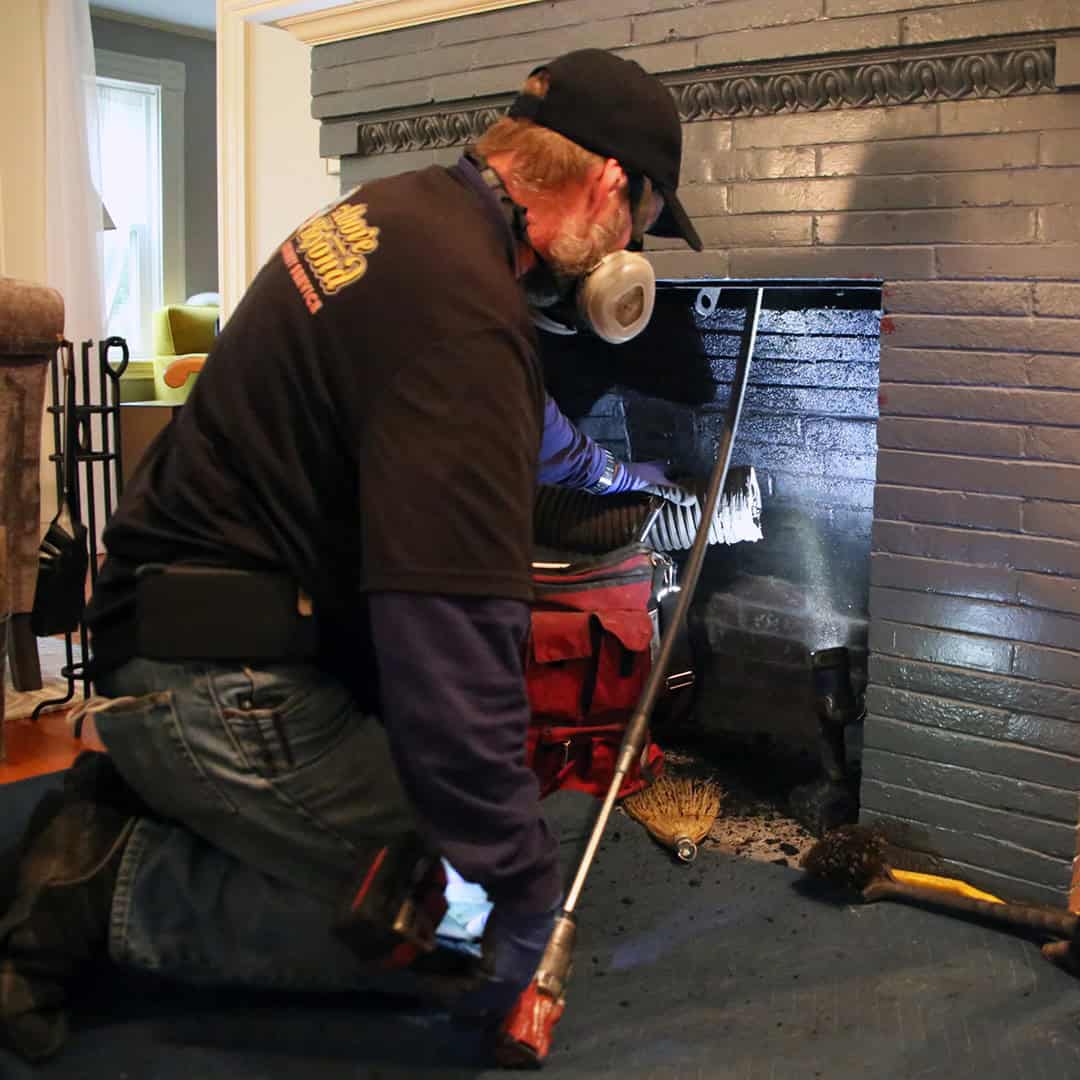
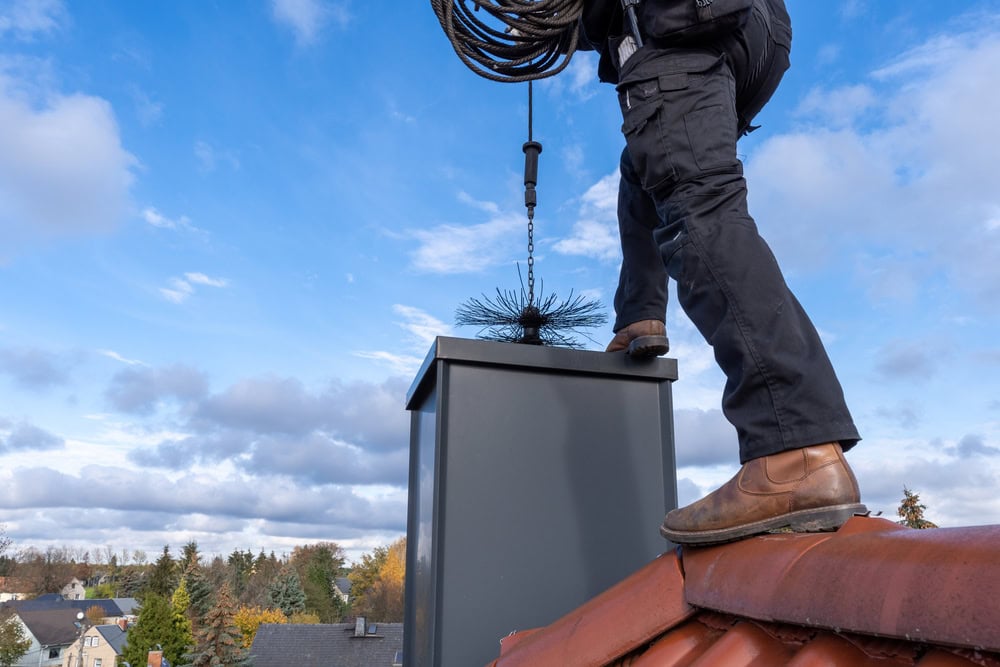
A thorough chimney sweep takes between 45 minutes and an hour and a half. If someone is off your roof and packing up their van in under 30 minutes, they didn’t do a complete job. A proper sweep includes drop cloths to protect your floors and furniture, and a HEPA-filtered vacuum to keep soot out of your living space. Those aren’t extras — they’re standard practice for any company that respects your home.
Norfolk County has a few things working against its chimneys that most national pricing guides don’t account for. The first is the housing stock itself. Towns like Cohasset, Hingham, Norwood, Weymouth, and Dedham have a high concentration of older colonial and cape-style homes — many with original masonry chimneys that have been in place for 80 to 100 years or more. These aren’t prefab systems. They require a technician who actually understands masonry, not just someone with a brush kit.
The second factor is the coastal climate. Salt air and Atlantic humidity, particularly in towns along the water, accelerate the deterioration of chimney caps, flashing, and mortar joints. They also make creosote deposits stickier and harder to remove than you’d find in drier inland areas. A chimney in Cohasset or on the Hingham waterfront may need more frequent attention than one 30 miles west.
The third is freeze-thaw cycling. Norfolk County winters are long, and the repeated freezing and thawing of moisture inside mortar joints is one of the most common causes of masonry damage we see. An annual sweep often turns into a repair conversation — not because we’re manufacturing problems, but because the climate here is genuinely hard on chimneys. When that happens, it’s worth knowing what repairs typically cost. Crown repairs, tuckpointing, and cap replacements are the most common follow-on services after a sweep reveals wear. Liner installation — which is one of the more significant investments a homeowner can make — is a separate conversation, but it’s one we have often after inspections on older Norfolk County homes.
If you’ve been burning green or wet wood, that’s another factor that bumps up cleaning complexity. Wet wood produces significantly more creosote than seasoned hardwood, and in some cases it creates the kind of third-degree glazed deposits that require more than a standard brush cleaning to remove safely.
Annual inspections are required by NFPA 211 — the national standard that governs chimney and fireplace safety — regardless of how often you use your fireplace. Even if you only burned a handful of fires last winter, an inspection is still the standard. Animals and debris can block flues in chimneys that haven’t been used at all.
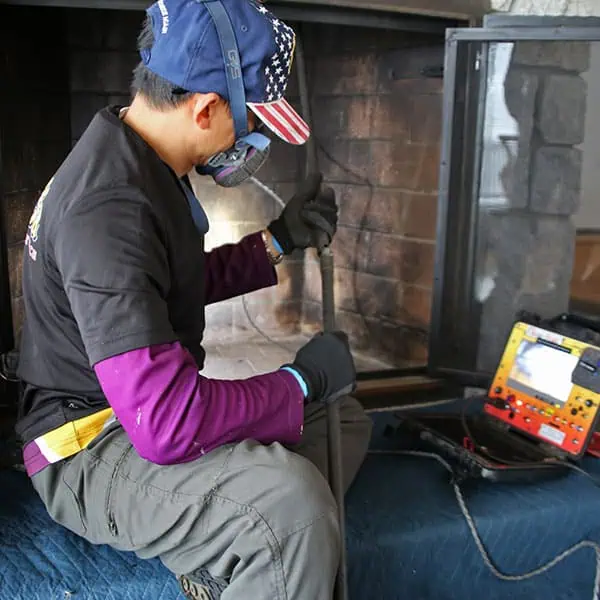
A Level 1 inspection is what happens during a standard annual sweep. A Level 2 inspection goes further — it includes a video camera examination of the flue interior and is typically required when you’re buying or selling a home, after a chimney fire, or after any significant change to your heating system. Level 2 inspections cost more and take longer, and in the active Norfolk County real estate market, they come up often.
The chimney sweep industry is unregulated in Massachusetts. Anyone can legally call themselves a chimney sweep without any training, certification, or experience. That’s just the reality of how this industry works, and it’s why credentials matter more here than in most trades.
CSIA certification — from the Chimney Safety Institute of America — is the benchmark. It requires comprehensive training, testing, and continuing education every three years. You can verify a technician’s CSIA credentials directly on the CSIA’s website before you book. Membership in the National Chimney Sweep Guild is another good signal. A Massachusetts Home Improvement Contractor license means the company is registered with the state and gives you legal recourse if something goes wrong.
Beyond credentials, pay attention to how a company talks about pricing. A legitimate company will give you a real number — or at least a real range — before they show up. They’ll tell you what’s included. They won’t create urgency around problems you can’t verify yourself, and they won’t pressure you into same-day repair decisions. If a technician tells you your chimney is a fire hazard and needs $2,000 in work before they’ll leave, ask for written documentation and a second opinion. A company that does honest work will have no problem with that.
Reviews matter, but look for specifics. A review that says “great job, very professional” tells you less than one that describes the technician showing up on time, explaining what they found, leaving the area clean, and following up afterward. Those details indicate a company that actually operates the way they claim to.
**How much does a chimney sweep cost in Norfolk County, MA?** For a standard wood-burning fireplace, expect to pay between $150 and $300. That range covers most single-flue masonry chimneys in towns like Canton, Walpole, Milton, Needham, and Braintree. Homes with more complex chimneys — multiple flues, difficult roof access, or heavy creosote buildup — will land toward the higher end or above it.
**Is the inspection included with the sweep?** It should be. A professional sweep includes a Level 1 inspection as part of the same visit. If a company is quoting you separately for an inspection on top of a cleaning, ask them to clarify what each one covers. You shouldn’t be paying twice for work that happens simultaneously.
**How often does a chimney need to be swept?** Once a year is the standard, per NFPA 211. If you burn frequently — or if you’ve been burning green wood — you may need it done more often. For most Norfolk County homeowners who use their fireplace regularly through the heating season, an annual fall sweep is the right cadence.
**Why is spring or summer a good time to schedule?** Fall is peak season, and wait times get long fast. Scheduling in the spring or early summer means you get a faster appointment, more flexibility on timing, and enough runway to address any repairs before the burning season starts. We see this every year — homeowners who wait until October end up waiting weeks, sometimes into November.
**What certifications should I look for?** CSIA certification is the most important one. NFI credentials and NCSG membership are also worth looking for. In Massachusetts, a valid HIC license means the company is accountable to the state. All of these are verifiable — don’t take a company’s word for it.
**What happens if the sweep reveals a problem?** You’ll get a clear explanation of what was found, and you’ll have time to decide how to proceed. No legitimate company should be pressuring you into immediate repairs. Written documentation of any findings is standard practice, and a reputable technician will walk you through what they saw and why it matters before any repair conversation begins.
Chimney sweep pricing in Norfolk County isn’t complicated once you know what you’re actually paying for. A standard wood-burning fireplace sweep runs $150 to $300, it includes a Level 1 inspection, it takes less than two hours, and it should leave your home cleaner than it started. The variation in price comes down to your chimney’s condition, complexity, and how long it’s been since the last service — not from one company being better at negotiating than another.
What matters most is hiring a company that’s certified, local, and honest about what they find. Norfolk County has no shortage of chimneys that need attention — older homes, coastal conditions, and long winters make annual maintenance genuinely important here, not just a nice-to-have.
If you’re ready to get on the schedule or just want a straight answer on what your chimney needs, we’re based in Cohasset and have been working on Norfolk County homes for over 25 years. You can reach us by call or text at 1-781-635-9582.
Article details:
Share:
Continue learning: