Creosote buildup in your chimney isn't just dirty—it's dangerous. Here's why Bristol County homeowners should schedule professional chimney cleaning before lighting that first fire.
Share:

When wood burns in your fireplace, it doesn’t burn completely. Smoke carries unburned particles, tar, gases, and moisture up through your chimney. As that smoke rises and cools, those materials condense on the inner walls of your flue. That’s creosote.
At first, it’s just a light, flaky coating. But layer after layer builds up over the season. By the time you’re done burning fires for the year, you’ve got a coating of highly flammable material lining your chimney. And it doesn’t go away on its own.
Bristol County’s coastal climate makes this worse. Salt air accelerates corrosion of metal components. Moisture gets into masonry. Freeze-thaw cycles through winter and spring cause cracks you can’t see. All of this sits there during the off-season, quietly deteriorating while you’re not using the fireplace.
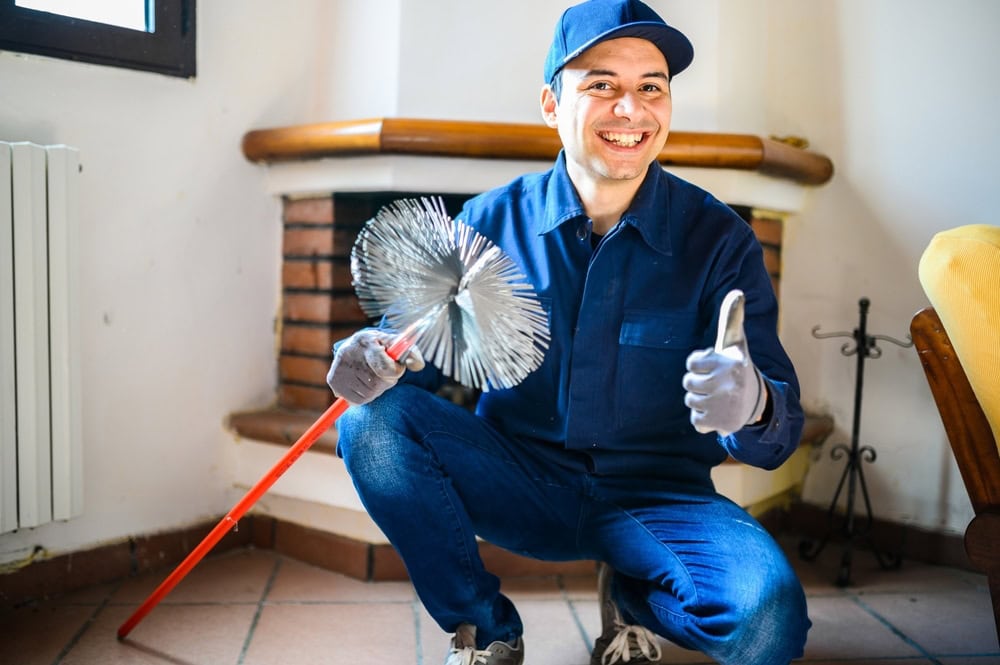
Creosote doesn’t stay the same. It progresses through stages, and each one gets more dangerous.
Stage one looks like flaky black soot. It’s relatively easy for a professional to brush away during a chimney sweep. If you’re burning seasoned hardwood and maintaining hot fires, you’ll mostly see this stage. It’s still flammable, but it’s manageable with annual chimney cleaning.
Stage two is where things get concerning. The creosote becomes sticky and tar-like, with shiny black flakes. It’s harder to remove and requires more specialized equipment. This happens when fires burn cooler or when you’re burning wood that’s not properly seasoned. The moisture content in wet wood creates more smoke, which means more condensation and heavier buildup.
Stage three is a serious problem. The creosote hardens into a thick, glazed coating that looks almost shiny. It’s extremely flammable and can ignite at temperatures as low as 451 degrees Fahrenheit. Your fireplace regularly exceeds that temperature. Standard brushes won’t remove stage three creosote—it requires chemical treatment or specialized removal techniques. If we find this level of buildup during an inspection, you’ve got a fire hazard that needs immediate attention.
Most homeowners have no idea which stage they’re dealing with because you can’t see up into the flue from your fireplace. That’s exactly why professional inspection and chimney cleaning matters. A certified technician can identify the stage of buildup and remove it before it becomes a fire risk.
The progression from stage one to stage three doesn’t happen overnight, but it does happen faster than you’d think. Heavy fireplace users can move through these stages in a single season. Even occasional users accumulate enough creosote over time to create risk. The Chimney Safety Institute of America identifies creosote buildup as a leading cause of chimney fires, which is why they recommend annual creosote removal.
If you live in Bristol County, your chimney deals with conditions that accelerate wear and increase maintenance needs. The coastal location means salt air constantly contacts your chimney’s exterior components. That salt accelerates corrosion of metal parts like caps, dampers, and flashing.
Moisture is another major factor here. Bristol County gets its share of rain and snow, and that moisture finds its way into masonry chimneys. Once inside the brickwork or mortar joints, water causes problems. During winter, that moisture freezes and expands, creating cracks. In spring, it thaws. This freeze-thaw cycle repeats dozens of times each year, gradually breaking down your chimney’s structure.
Many homes in this area were built decades ago, and older chimneys often have clay tile liners. These liners work fine when they’re intact, but they’re vulnerable to the freeze-thaw damage common in our climate. A crack in your flue liner is a serious safety issue because it allows heat and combustion gases to escape into areas of your home where they shouldn’t be.
The combination of coastal moisture and temperature swings means Bristol County chimneys deteriorate faster than chimneys in drier or more temperature-stable climates. What might take five years to develop elsewhere can happen in two or three years here. That’s why we pay close attention to moisture damage, corrosion, and structural integrity during inspections.
Your chimney also deals with what you’re burning. If you’re using wood from local sources, the species and how it’s seasoned affects creosote production. Softwoods like pine burn cooler and create more creosote than hardwoods like oak or maple. Wood that hasn’t been properly dried—and in our humid climate, that takes time—produces more smoke and more buildup.
All of these factors mean that Bristol County homeowners can’t afford to skip annual fireplace maintenance. The conditions here don’t give you a break. They accelerate every problem and turn small issues into expensive repairs if you’re not staying ahead of them.
The National Fire Protection Association is clear on this: chimneys should be inspected at least once a year. That’s not a suggestion based on best practices—it’s based on fire safety data and the reality of how quickly dangerous conditions develop.
For most Bristol County homeowners, once a year is the minimum. If you use your fireplace regularly throughout the winter as a primary or supplementary heat source, you might need more frequent service. Heavy users who burn fires multiple times per week should consider a mid-season inspection to check buildup levels.
Even if you rarely use your fireplace, annual inspection still matters. Chimneys that sit unused develop their own problems. Animals nest in them. Debris accumulates. Moisture damage progresses without you noticing. An annual inspection catches these issues before you light that first fire and discover your chimney isn’t safe to use.
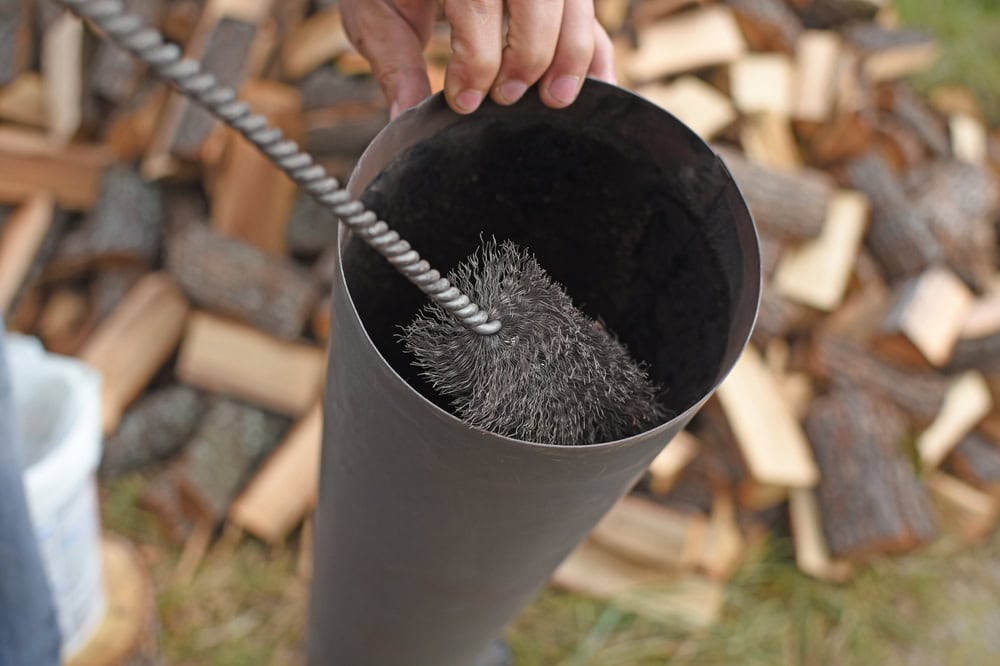
Most people wait until fall to think about their chimney. That’s when everyone else is calling too. By October, chimney companies across Bristol County are booked solid with homeowners who suddenly realized winter is coming.
Late summer or early fall is actually the ideal time to schedule your chimney sweep. You’re ahead of the rush, so you can get an appointment that works for your schedule instead of taking whatever’s available. We often have more availability and sometimes offer better rates during the slower season.
There’s another advantage to scheduling early: if the inspection reveals problems that need repair, you have time to address them before you need to use your fireplace. Discovering in November that you need a new chimney cap or liner repair means you’re either paying for rush service or going without your fireplace for part of the season. Discovering it in August means you can schedule repairs at normal rates and have everything ready before the first cold night.
Scheduling before the busy season also means we can spend appropriate time on your service. During peak season, companies are often rushing from one appointment to the next. In late summer, we can take the time to do a thorough job and answer your questions without feeling pressed to get to the next house.
The worst time to schedule is winter. If you’re calling in December or January, you’re either dealing with a problem that should have been prevented, or you’re trying to get routine service when everyone else is too. Either way, you’ll wait longer and probably pay more.
Think of chimney maintenance the same way you think about getting your heating system serviced—you do it before you need it, not after it fails. Your chimney is part of your home’s heating and safety system. It deserves the same proactive attention.
A professional chimney sweep is more than just running a brush up and down your flue. It’s a comprehensive process that addresses safety, cleanliness, and system functionality.
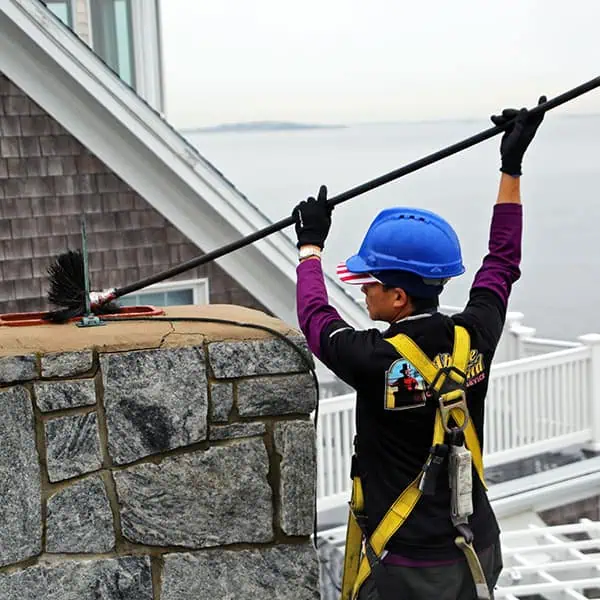
The service starts with inspection. Before cleaning anything, our qualified technicians examine your entire chimney system—the flue, the chimney crown, the cap, the damper, the firebox, and all visible components. We’re looking for cracks, deterioration, blockages, and creosote buildup. We use video cameras to inspect areas that aren’t directly visible, giving you a clear picture of what’s actually happening inside your chimney.
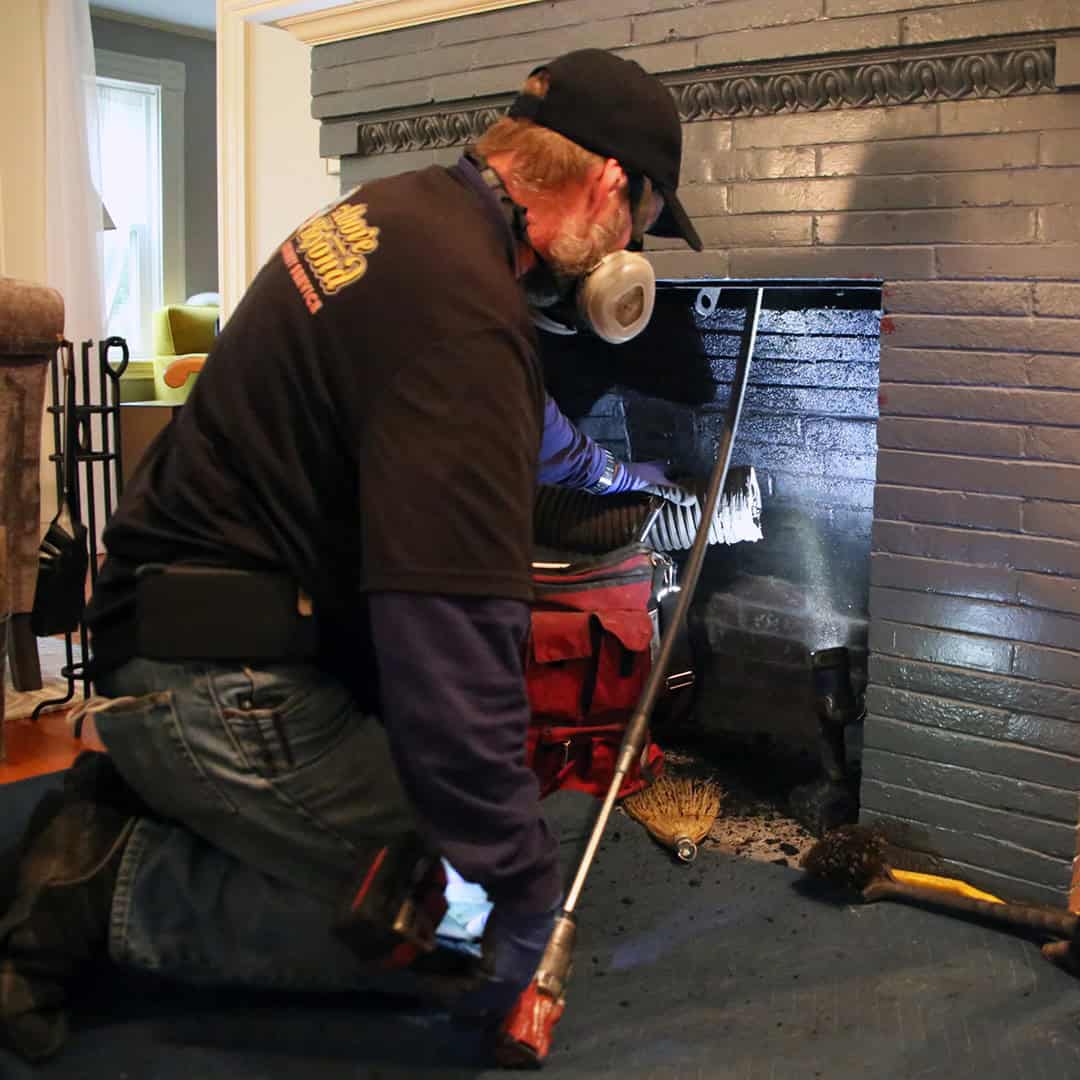
Once the inspection is complete, the actual cleaning begins. We use specialized brushes designed for your specific flue type and size. We also use industrial HEPA vacuum systems to contain dust and debris. The goal is to remove all the creosote, soot, and debris from your chimney without making a mess in your home.
You might worry about the mess. We take this seriously. We’ll seal off your fireplace opening with protective sheeting, put down drop cloths, and run vacuum systems throughout the cleaning process. When we’re done, your home should look exactly like it did before we arrived—just with a clean, safe chimney.
The cleaning process itself involves brushing the entire length of the flue from top to bottom. For stage one creosote, this is straightforward. For heavier buildup, it might require multiple passes with different brush types or specialized tools. We also clean the smoke chamber, the area just above your firebox where smoke gathers before entering the flue. This area often has significant buildup that affects draft and safety.
After cleaning, we’ll remove all the debris from your firebox and clean-out areas. We’ll check that your damper operates properly and that your chimney cap is secure and undamaged. If we found any issues during the inspection, we’ll explain what needs attention and why it matters for your safety.
Most chimney cleaning costs in Bristol County range from $150 to $350 for standard residential service, depending on your chimney’s size, condition, and accessibility. The entire process typically takes 45 minutes to an hour and a half, though it can take longer if there’s heavy buildup or if repairs are needed. You’ll receive a report on your chimney’s condition and any recommendations for maintenance or repairs.
Chimney fires are almost entirely preventable. So is carbon monoxide exposure from blocked or damaged chimneys. The difference between a safe fireplace season and a dangerous one is usually just scheduling service before you need it.
If you haven’t had your chimney inspected in the last year, now is the time. Before you light your first fire this season, make sure a professional has confirmed your system is safe. Annual chimney sweeping costs a fraction of what you’d pay for emergency repairs or fire damage restoration.
Bristol County homeowners who stay ahead of fireplace maintenance protect their homes, their families, and their peace of mind. The coastal climate here doesn’t forgive neglect—it accelerates every problem. But with regular professional chimney cleaning, you can enjoy your fireplace safely all season long.
We provide professional chimney sweep services throughout Bristol County, with certified technicians who understand the specific challenges our climate creates for chimney systems. Don’t wait until the fall rush or until you smell smoke where it shouldn’t be. Schedule your inspection now and start the season with confidence.
Article details:
Share:
Continue learning: