Chimney caps prevent water damage, animal intrusion, and downdrafts in Bristol County homes. Learn why material choice and proper installation matter for lasting protection.
Share:
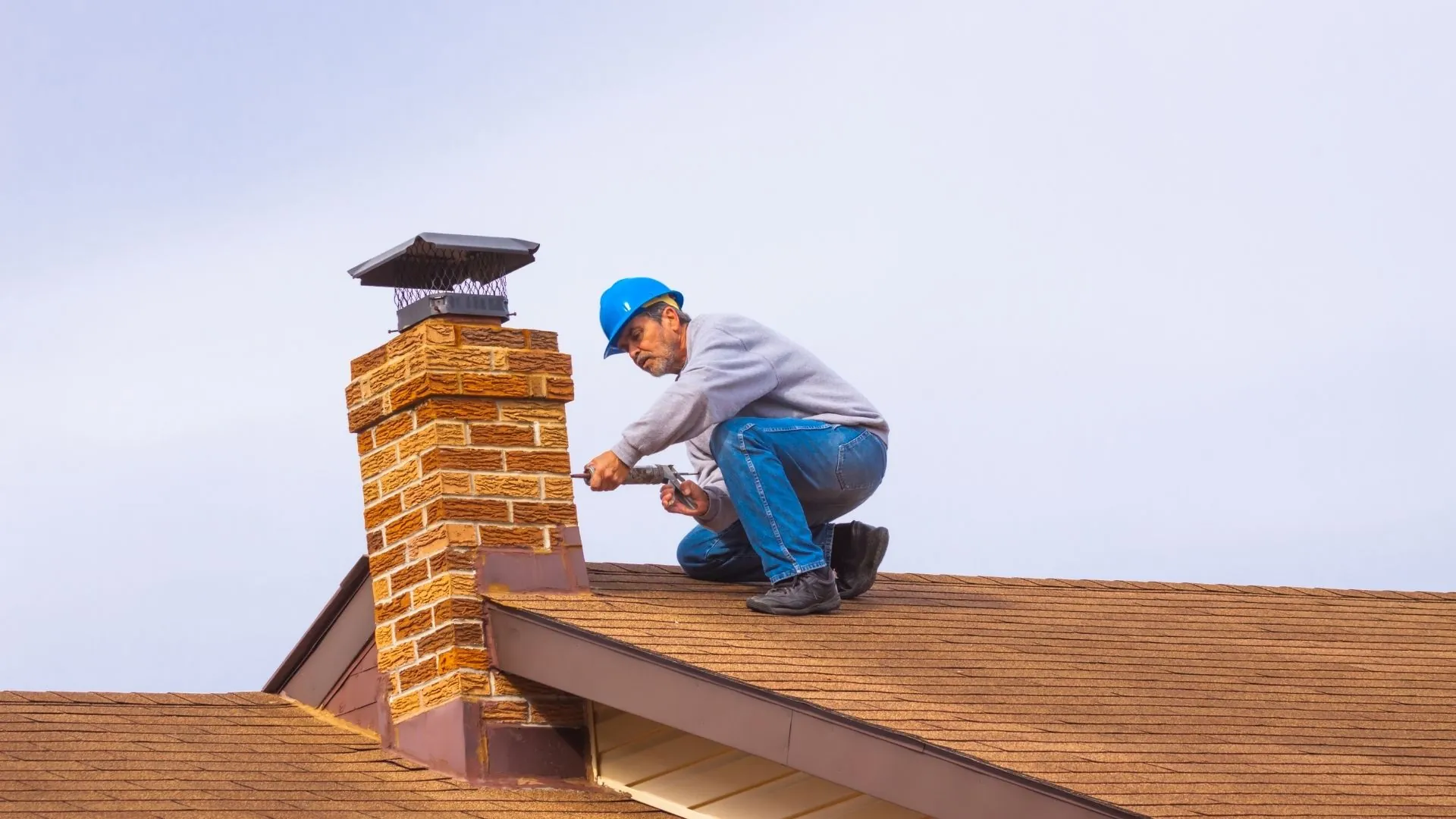
A chimney cap sits on top of your chimney and covers the flue opening. It’s a metal cover with mesh screening on the sides that lets smoke out but keeps everything else from getting in.
Think of it as a lid for your chimney. Rain and snow can’t pour straight down into your fireplace. Animals can’t climb in and build nests. Sparks from your fire can’t escape and land on your roof.
The cap also helps with airflow. Wind hitting your chimney from the wrong angle can push smoke back down into your house. A properly installed cap redirects that wind and keeps your draft moving in the right direction.
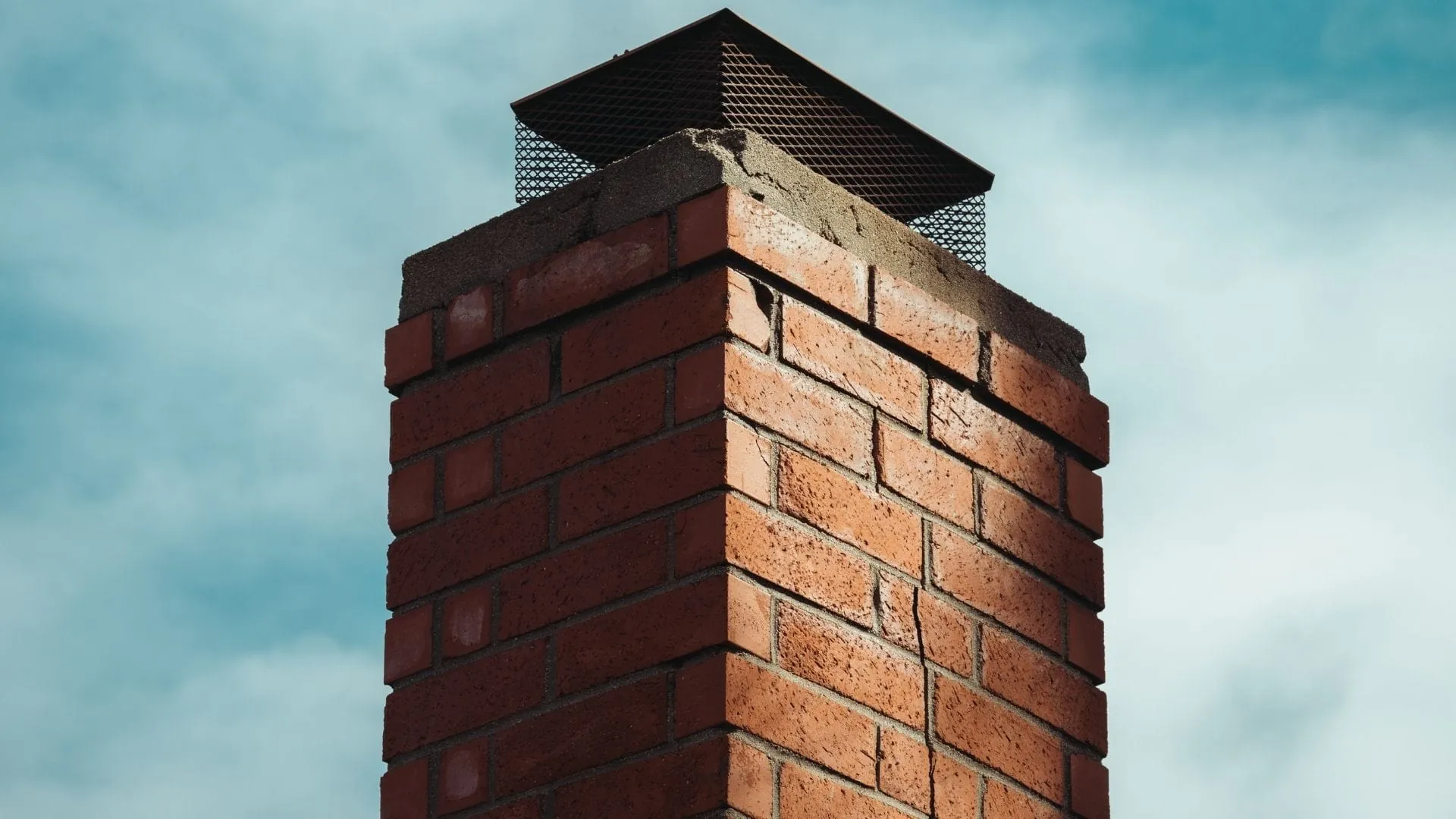
Bristol County gets hit hard by coastal storms and heavy rainfall. When water pours directly into an uncapped chimney, it doesn’t just create a mess in your firebox.
Water soaks into the porous masonry. Then winter arrives and temperatures drop below freezing. That water expands as it freezes, cracking the mortar joints and splitting bricks from the inside out. This is called spalling, and you’ll see pieces of brick literally falling off your chimney.
The damage compounds every year. What starts as small cracks becomes structural problems that cost thousands to repair. The chimney crown cracks. The flue liner deteriorates. Water runs down inside your walls, causing stains, mold, and rot in places you can’t even see until the damage is severe.
Massachusetts homeowners spend an average of $4,500 annually on water damage repairs when chimney leaks go unaddressed. A chimney cap costs a fraction of that and prevents the problem entirely. The freeze-thaw cycles here are brutal on masonry. Once water gets in, every winter makes it worse.
You’ll see white staining on the exterior bricks—that’s efflorescence, a sign that water has penetrated deep into the masonry. Your damper might rust. The firebox might show water stains. These are all symptoms of the same problem: water getting where it shouldn’t be.
A quality chimney cap with proper overhang directs water away from the chimney structure before it can cause any of this damage. It’s not just about keeping rain out of your fireplace. It’s about protecting the entire chimney system from deterioration that would otherwise be inevitable in this climate.
Raccoons, squirrels, birds, and even bats see your chimney as a perfect shelter. It’s dry, protected from predators, and often warm from residual heat. To them, it looks exactly like a hollow tree.
The problem is what happens once they’re inside. Birds and squirrels build nests using twigs, leaves, and other flammable materials. When you light your fireplace, those materials can catch fire. Chimney fires from animal nests are more common than most people realize, and they can spread to your roof and home.
Even if fire isn’t an issue, the blockage creates ventilation problems. Smoke and carbon monoxide can’t vent properly when the flue is obstructed. That means dangerous gases back up into your living space instead of going outside where they belong.
Animals also carry diseases and parasites. Raccoon droppings can contain harmful bacteria. Bats may carry rabies. Birds bring mites and other pests. If an animal dies in your chimney—which happens often when they can’t climb back out—the smell and the health hazard are significant.
Removing animals from chimneys typically costs $500 or more per visit. That’s assuming the animal is alive and can be safely removed. Dead animal removal is messier, more expensive, and often requires additional cleaning to address contamination.
An animal-proof chimney cap with proper mesh screening prevents all of this. The mesh needs to be small enough to keep out even small animals but large enough to allow proper ventilation. Three-quarter inch mesh is standard and effective. The cap needs to be securely mounted so animals can’t push it aside or chew through weak points.
Bristol County homeowners deal with wildlife intrusion regularly. Squirrels are particularly persistent, and raccoons are strong enough to damage inadequate caps. The screening material matters—stainless steel mesh holds up to animal attempts to breach it, while cheaper materials may not.
The material your chimney cap is made from determines how long it lasts and how well it performs. This matters more in coastal areas like Bristol County, where salt air and moisture accelerate corrosion.
Galvanized steel is the cheapest option, but it’s a false economy here. Galvanized caps rust out within five to seven years in coastal climates. You’ll see rust staining on your roof and chimney, and eventually the cap fails completely. Then you’re paying for removal, disposal, and a new cap anyway.
Stainless steel and copper are the materials that actually work for New England chimneys. They cost more upfront, but they last decades and come with lifetime warranties in many cases.
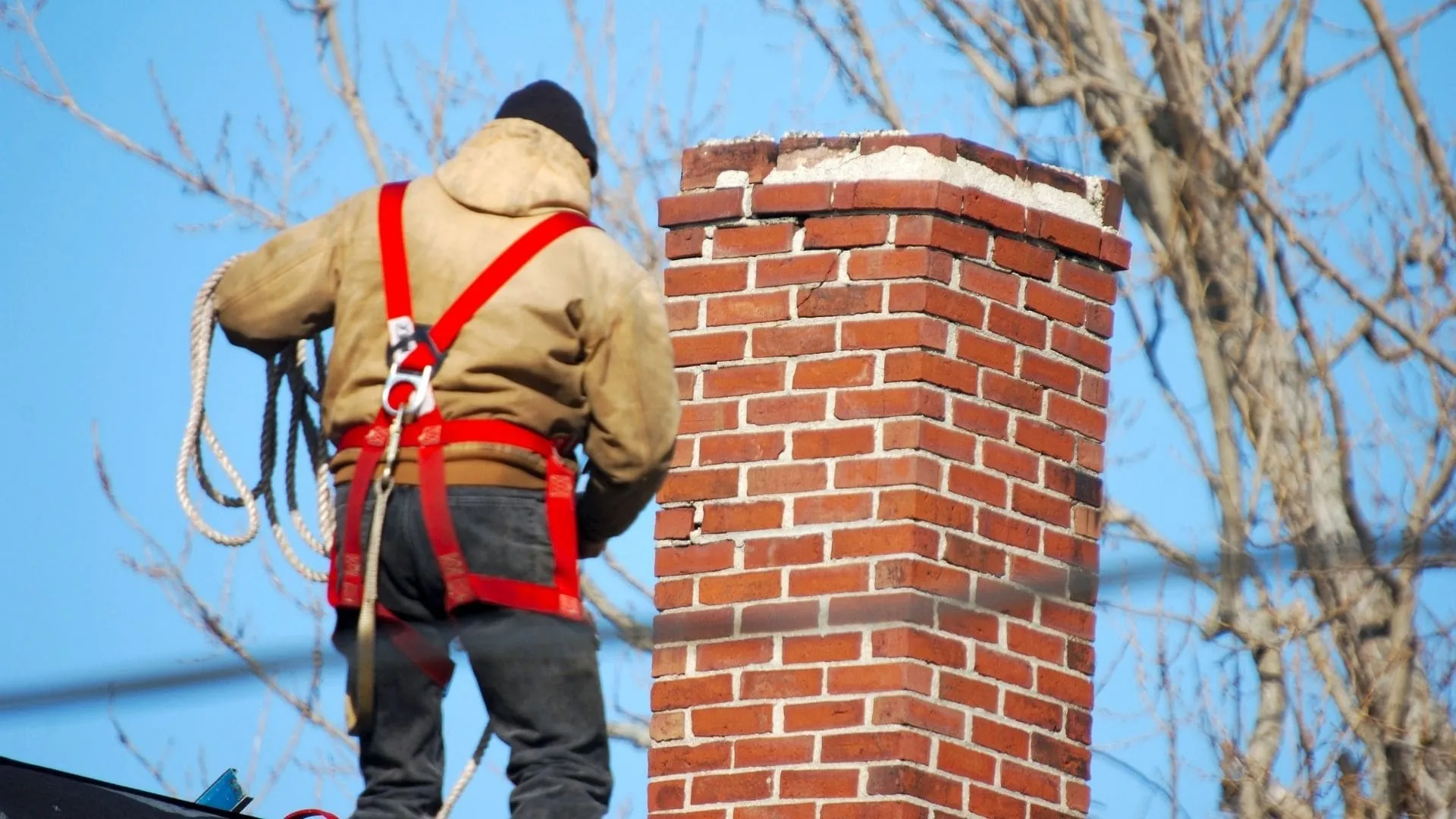
Stainless steel resists rust and corrosion even in salt air. It handles freeze-thaw cycles without cracking. It’s strong enough that animals can’t chew through it or bend it to gain access.
A quality stainless steel cap typically costs between $300 and $600 installed, depending on your chimney size and configuration. That’s for 304-grade stainless steel, which is what you want for durability. Lower grades don’t perform as well in harsh conditions.
The cap maintains its appearance over time. It doesn’t develop the rust stains that galvanized steel creates. The mesh screening stays intact and functional. The mounting hardware—which should also be stainless steel—doesn’t corrode and fail.
Stainless steel caps typically last 15 to 20 years in Bristol County’s climate. Some last longer with minimal maintenance. The investment pays for itself by preventing water damage repairs that would cost thousands, eliminating animal removal calls, and avoiding the need to replace a cheaper cap every few years.
The cap installation matters as much as the material. The cap needs to be properly sized for your flue. It needs adequate clearance—at least five inches above the flue opening—to avoid interfering with draft. The mounting must be secure enough to withstand wind loads from coastal storms.
Many Bristol County homes face wind gusts over 60 mph during nor’easters. A poorly mounted cap becomes a projectile in those conditions, or it simply blows off and leaves your chimney exposed. Proper installation uses mechanical fasteners, not just adhesive, and accounts for the specific wind patterns and weather challenges in this area.
Copper costs significantly more than stainless steel—typically $375 to $1,200 depending on size and design. But it offers comparable durability and a distinctive aesthetic that some homeowners prefer.
Copper doesn’t rust. Instead, it develops a natural patina over time, turning from its original penny-bright color to a blue-green finish. This patina actually protects the metal and adds character to your chimney. For historic homes or properties where appearance matters, copper provides a classic, European look.
The functional performance is similar to stainless steel. Copper handles coastal moisture, freeze-thaw cycles, and temperature extremes without degrading. It’s strong enough to resist animal intrusion. Properly installed copper caps can last 25 years or more—some last 50 years with minimal maintenance.
The higher cost makes copper less common, but it’s not just about aesthetics. In some cases, copper is the better choice for specific chimney configurations or when matching existing architectural elements. The material is also easier to work with for custom fabrication if your chimney has an unusual shape or multiple flues at different heights.
One consideration with copper is that it’s a premium material that requires proper installation. The mounting hardware needs to be compatible—using dissimilar metals can cause galvanic corrosion. The installer needs to understand how copper expands and contracts with temperature changes and account for that in the mounting system.
For most Bristol County homeowners, stainless steel offers the best balance of cost, durability, and performance. But copper isn’t just a luxury option. It’s a legitimate choice when longevity and appearance are both priorities, and when the budget allows for the higher initial investment.
The key is avoiding the materials that don’t work here. Aluminum is too soft and vulnerable to animal damage. Galvanized steel fails too quickly in coastal conditions. The choice is really between stainless steel for most applications and copper when the situation calls for it.
Water damage, animal intrusion, and downdrafts aren’t inevitable. They’re preventable with a properly installed chimney cap made from materials that actually work in Bristol County’s climate.
The cost of installation—typically $300 to $600 for a quality stainless steel cap—is minimal compared to what you’ll spend fixing the problems that an uncapped chimney creates. Water damage repairs run into the thousands. Animal removal costs hundreds per visit. Smoke damage and carbon monoxide issues create safety hazards that put your family at risk.
Material choice matters. Stainless steel and copper last decades in coastal New England. Galvanized steel fails within years. Installation quality matters just as much—a cap that blows off in the first storm or doesn’t fit properly isn’t protecting anything.
If you’re seeing water stains, hearing animals, or dealing with smoke backing up into your home, those problems won’t fix themselves. They’ll get worse every season until the damage becomes expensive and potentially dangerous. We’ve been installing chimney caps throughout Bristol County for years, using materials and techniques that account for exactly what this climate does to chimneys.
Article details:
Share:
Continue learning: