Norfolk County homeowners often miss critical chimney liner damage until smoke leaks appear. Discover the warning signs that demand immediate attention.
Share:
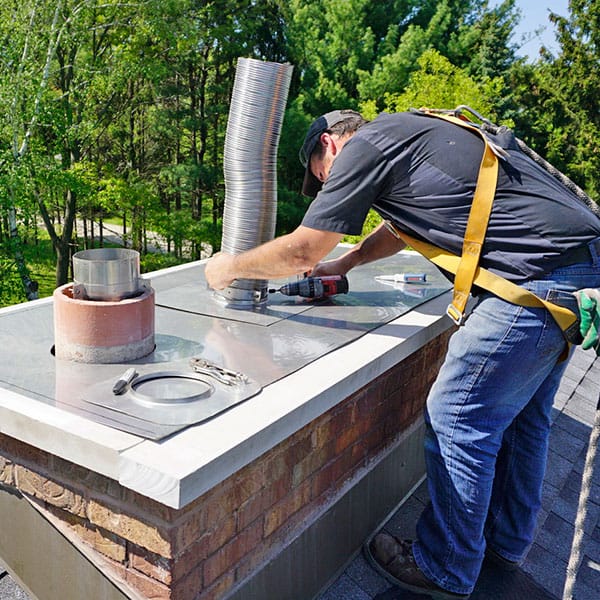
Your chimney liner creates a sealed pathway that directs combustion gases safely out of your home. Without this barrier, heat and acidic byproducts attack your chimney’s masonry from the inside, leading to cracks, deterioration, and eventually structural failure.
In Norfolk County’s freeze-thaw climate, this protection becomes even more critical. Water infiltration combined with temperature swings can turn minor liner damage into major safety hazards within a single heating season.
Think of your liner as the first line of defense against carbon monoxide leaks and house fires. When it fails, dangerous gases can seep through cracks into your living spaces instead of venting safely outside.
Massachusetts building codes mandate that all masonry chimneys serving heating appliances must have appropriate liners. This isn’t bureaucratic overreach—it’s based on decades of safety data showing that unlined or improperly lined chimneys cause preventable fires and carbon monoxide poisoning.
Modern heating systems create different venting challenges than older appliances. High-efficiency furnaces and boilers produce cooler, more acidic exhaust that can rapidly deteriorate clay tile liners. Gas appliances create moisture-rich byproducts that attack mortar joints, while wood-burning systems generate creosote buildup that increases fire risk.
The code requirements reflect these realities. When you’re selling your home, upgrading heating systems, or dealing with insurance claims, having a compliant, properly installed liner isn’t optional—it’s essential. Home inspectors know what to look for, and outdated or damaged liners can derail real estate transactions.
Local building departments in Norfolk County take these requirements seriously. If you’re doing any major chimney work, you’ll need to bring your system up to current standards. This includes proper liner sizing, appropriate materials for your fuel type, and installation methods that meet safety specifications.
Insurance companies also pay attention to chimney liner conditions. Claims related to chimney fires or carbon monoxide incidents often involve questions about maintenance and code compliance. Having a properly installed, up-to-date liner protects both your family’s safety and your financial interests.
Massachusetts weather is particularly hard on chimney systems. The freeze-thaw cycles that define our winters create unique stresses that accelerate liner deterioration. Water that penetrates through damaged mortar or crown issues expands when it freezes, creating pressure that can crack even well-maintained clay tiles.
Norfolk County’s proximity to the coast adds another challenge. Salt air accelerates corrosion of metal components like dampers and flashing, while also contributing to moisture problems that affect liner integrity. What might last twenty years inland could need replacement in ten to fifteen years in coastal areas.
The combination of temperature extremes and moisture creates ideal conditions for rapid deterioration. Clay tile liners, which were standard in older homes, become brittle and crack under these conditions. The mortar joints between tiles are particularly vulnerable, allowing gases to escape into your chimney structure.
Many Norfolk County homes were built when construction standards were different. Older chimneys often lack proper liners entirely, or have liners that were appropriate for their original heating systems but inadequate for modern appliances. The lime mortar used in older construction, while durable, doesn’t provide the same gas-tight seal that current safety standards require.
Tree coverage common in Massachusetts neighborhoods creates additional problems. Falling branches can damage chimney crowns and caps, while overhanging trees drop leaves and debris that can block your chimney and create fire hazards. These blockages force combustion gases to find alternative paths, often through deteriorated liner joints.
Recognizing liner problems early can save you thousands in repair costs and prevent dangerous situations. Most warning signs are subtle at first, but they indicate serious problems developing inside your chimney system.
We use specialized equipment to detect problems that aren’t visible during casual inspections. However, there are several signs you can watch for that indicate your liner needs professional evaluation.
Poor draft performance is often the first sign homeowners notice. If smoke enters your room instead of going up the chimney, something is blocking proper airflow. This could be debris, animal nests, or structural damage that’s changing how air moves through your system. Don’t ignore changes in how your fireplace draws smoke—they indicate problems that will only get worse.
Musty odors coming from your fireplace during humid weather usually mean water is sitting somewhere in your chimney system. That moisture creates the perfect environment for mold and accelerates the deterioration of your chimney’s interior. These odors often intensify during rainy periods or when humidity levels rise, indicating that your liner isn’t providing adequate protection against moisture infiltration.
Strong creosote odors, especially during summer months, suggest that your liner has cracks or gaps allowing these dangerous compounds to escape into your home. Creosote buildup is normal in wood-burning systems, but you shouldn’t smell it inside your house. This indicates that combustion byproducts aren’t being properly contained and vented outside.
White staining or rust streaks on fireplace walls signal dangerous carbon monoxide leaks or water penetration compromising structural stability. This efflorescence—the white, chalky residue on masonry—occurs when moisture carries minerals through your chimney structure. It’s a clear indication that your liner isn’t preventing water infiltration.
Visible damage inside the chimney or flue, including deteriorated or missing sections, requires immediate professional attention. You might also notice unusual chimney noises—sounds that indicate structural movement or debris falling inside your chimney system.
Rust on your firebox, damper, or other metal components indicates moisture problems that extend beyond normal condensation. This rust formation suggests that your liner isn’t adequately protecting these components from acidic combustion byproducts. Metal components in properly functioning chimneys should remain relatively corrosion-free for years.
Animals or birds inside your chimney create blockages that force deadly gases into your home instead of safely outside. While this might seem like a minor nuisance, blocked chimneys can quickly become life-threatening situations. Professional removal and prevention measures are essential, but the underlying issue is often a damaged or missing chimney cap that should work in conjunction with your liner system.
Crumbling masonry around your chimney top signals that water infiltration has compromised your chimney’s structural integrity. This damage often starts small but accelerates rapidly during Norfolk County’s freeze-thaw cycles. What begins as minor mortar deterioration can quickly become major structural problems requiring extensive repairs.
Performance issues with your heating system—such as inconsistent heating, frequent pilot light outages, or soot buildup around the appliance—often point to venting problems. Your heating system depends on proper draft to function efficiently and safely. When liner damage disrupts this draft, your entire heating system suffers.
Moisture or condensation inside your chimney or around the flue connection is another red flag. Modern heating appliances produce moisture-rich exhaust that should be vented outside. When you see this moisture accumulating inside your home, it indicates that your liner isn’t doing its job of containing and directing these byproducts safely outside.
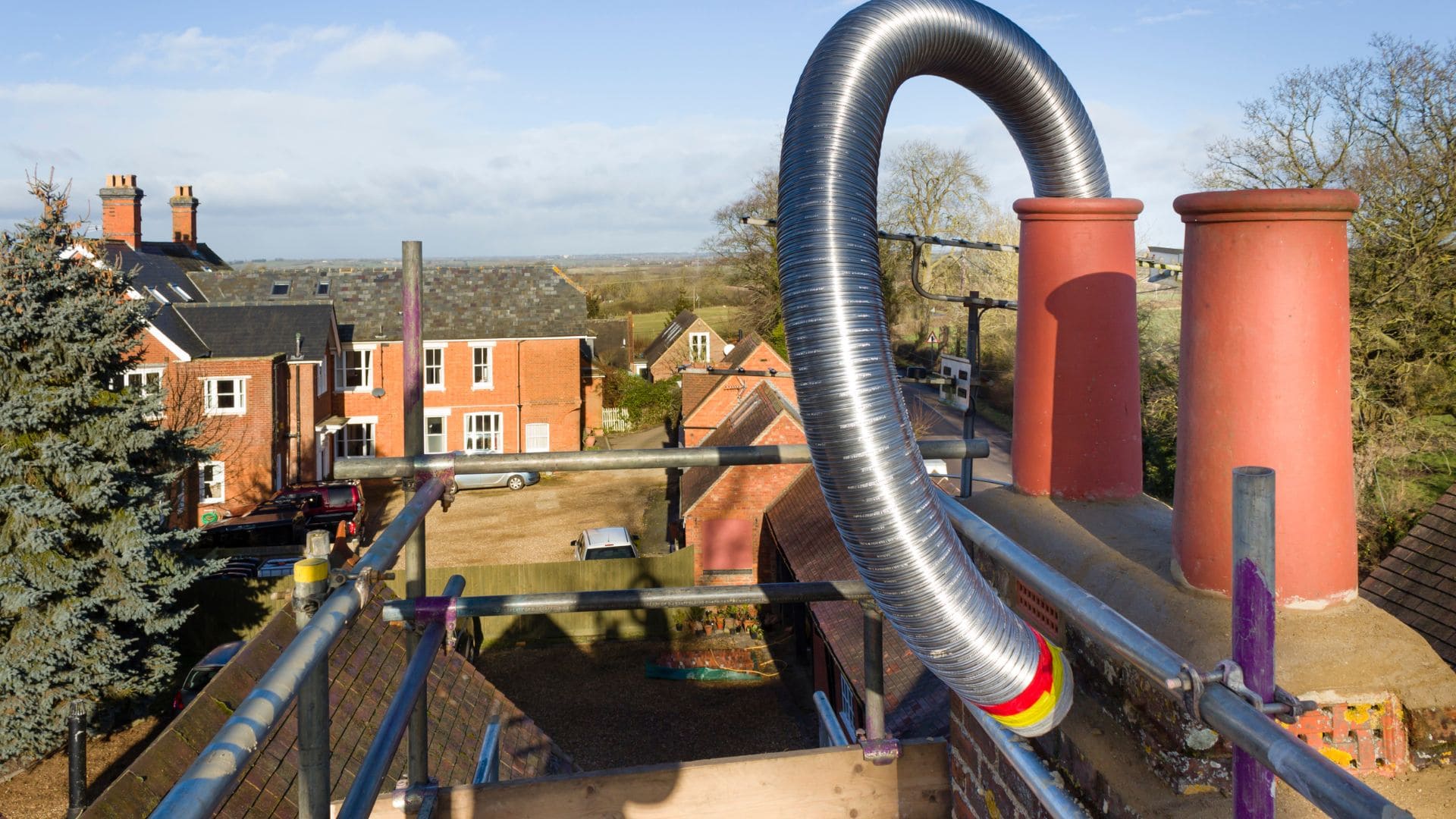
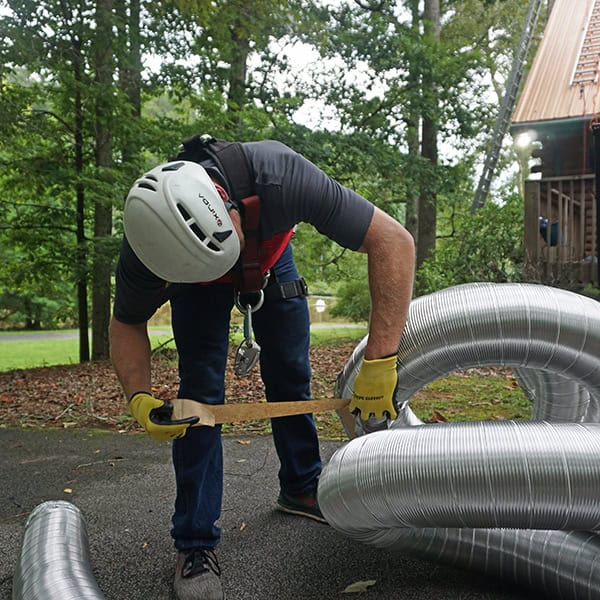
Stainless steel liners offer superior durability and flexibility compared to traditional clay tile options. They resist the corrosive effects of modern heating appliances while handling Norfolk County’s temperature extremes without cracking or deteriorating. Most installations can be completed in a single day, and costs typically range from $800 to $2,500 depending on your chimney’s height and complexity.
The investment in a quality stainless steel liner pays dividends in safety, efficiency, and peace of mind. You’ll have a system that meets current building codes, protects your home’s structural integrity, and supports optimal heating performance for years to come.
When you’re ready to address your chimney liner concerns, we provide the expertise and quality materials needed to restore your system’s safety and efficiency.
Article details:
Share:
Continue learning: