If you're buying a home in Norfolk County or recently had a chimney event, here's what NFPA 211 actually requires — and what most buyers miss.
Share:
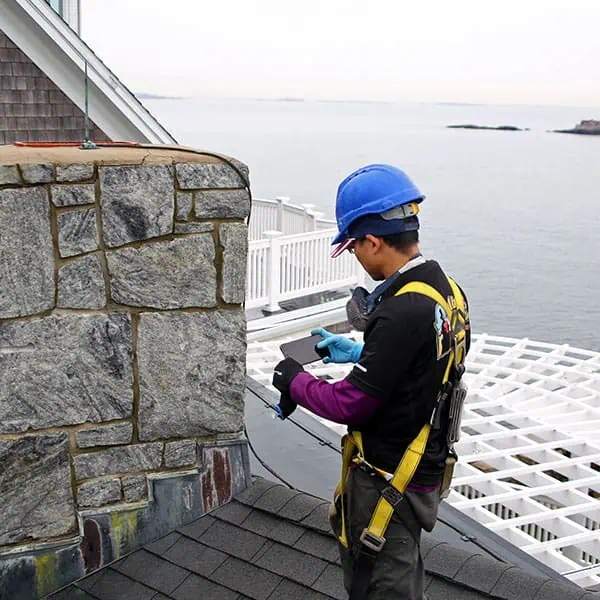
You’ve heard the term “Level 2 chimney inspection” — maybe from your real estate agent, your home inspector’s report, or a neighbor who just went through a sale. And now you’re trying to figure out what it actually means, whether you really need one, and why it’s different from whatever the home inspector already looked at.
Those are the right questions. The answers matter more than most people realize — especially in a market like Norfolk County, where homes are older, values are high, and a chimney problem discovered after closing can cost far more than the inspection ever would have.
Here’s what you need to know.
The three-level chimney inspection framework comes from NFPA 211 — the National Fire Protection Association’s standard for chimneys, fireplaces, vents, and solid fuel-burning appliances. It’s the governing document that defines what each inspection level must cover, when each is required, and what tools and access are needed to perform it properly.
A Level 2 inspection builds on the basics of a Level 1 — which covers all readily accessible exterior and interior chimney components — and adds two critical elements: video scanning of the full flue interior, and physical inspection of areas like attics, crawl spaces, and basements where chimney sections may run. It also includes a written report with photographs documenting what was found.
That camera component is what separates Level 2 from everything else. The flue interior is where serious problems hide — cracked liner sections, deteriorated mortar joints, stage-three creosote buildup — and none of it is visible from the firebox opening with a flashlight.
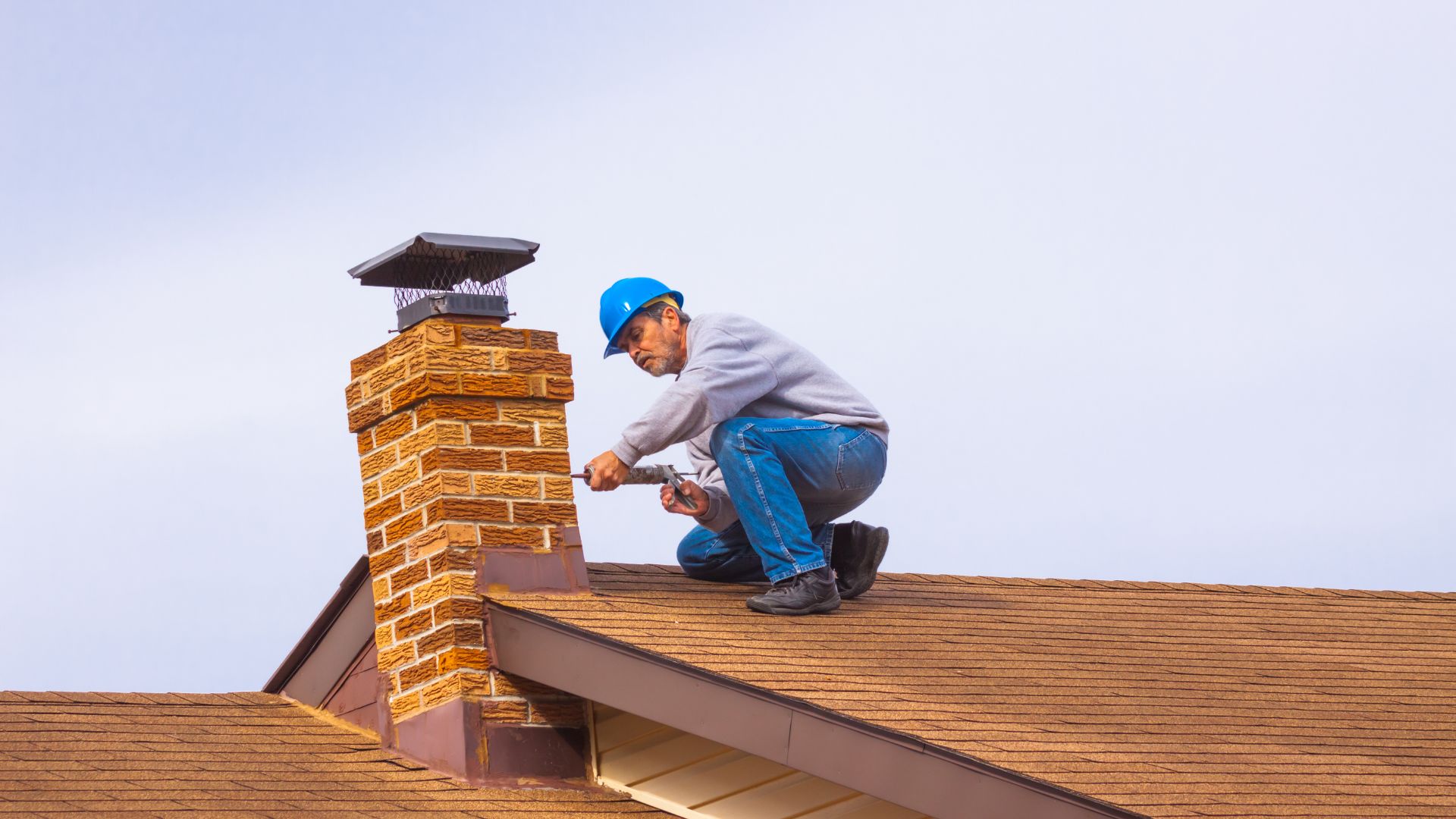
This is where a lot of homebuyers and homeowners get tripped up. Level 2 isn’t just a recommendation for people who want extra peace of mind. NFPA 211 specifies three situations that require it — not suggest it, require it.
The first is any transfer of property. If a home with a fireplace, wood stove, or fuel-burning appliance is being sold, NFPA 211 requires a Level 2 inspection. Full stop. This applies whether the fireplace looks pristine or hasn’t been touched in years. The standard doesn’t care about appearances — it cares about what the camera finds inside the flue.
The second trigger is any change to the connected appliance or fuel type. If someone installs a gas insert where a wood-burning fireplace used to be, or swaps out an old oil furnace for a new high-efficiency unit, the chimney venting that appliance needs a Level 2 before use. Different appliances produce different combustion byproducts at different temperatures, and a liner that worked fine for one system may be completely wrong — or actively dangerous — for another.
The third trigger is any operational malfunction or external event that could have caused damage. That includes chimney fires, building fires, lightning strikes, seismic activity, and severe weather events. If something happened to the structure or the system, NFPA 211 says you don’t assume everything is fine — you verify it with a Level 2.
For homebuyers in Norfolk County specifically, the property transfer requirement is the most relevant. Every home sale involving a chimney triggers this standard. That’s not a technicality — it’s the framework the industry, insurers, and real estate attorneys operate within.
This is probably the most important thing to understand before you close on a home in Dedham, Walpole, Needham, or anywhere else in Norfolk County: a general home inspector does not perform a Level 2 chimney inspection. Not even close.
Home inspectors are trained generalists. They walk through a property and assess dozens of systems in a few hours. When it comes to chimneys, they look at what’s visible — the exterior masonry, the cap, the firebox, the damper. They note obvious damage. What they don’t do is scan the flue interior with a camera, inspect chimney sections running through attics or crawl spaces, or evaluate the liner’s condition against the specific appliance it serves.
NFPA 211 is explicit about what a Level 2 requires: “a visual inspection by video scanning or other means to examine all flue liners’ internal surfaces and joints incorporated within the chimney.” A home inspector with a flashlight and a mirror is not satisfying that requirement. And no general home inspection report — however detailed — substitutes for a CSIA-certified chimney inspection with video documentation.
This matters in a real estate transaction because the findings from a compliant Level 2 inspection carry weight. If the camera reveals a cracked clay tile liner or a compromised flue, that’s documented evidence — with photographs — that a buyer can use in negotiations. In a market where the median home value in Norfolk County sits at $722,600, the ability to negotiate a repair credit based on a documented chimney defect is not a small thing. But you can only do that if the inspection was done properly in the first place.
The homes in Norfolk County are old. The median housing age is 51 years, which means most chimneys were built with clay tile liners designed for open wood-burning fireplaces. Many of those liners are now cracked, offset, or deteriorated — and they look perfectly fine from the firebox. The camera is the only way to know what’s actually there.
It’s worth being clear about what Level 1 covers, because the two are sometimes described as if they’re nearly the same thing — just with different levels of thoroughness. They’re not.
A Level 1 inspection is a visual examination of all readily accessible areas: the exterior masonry, the chimney cap and crown, the firebox, the damper, and whatever portion of the flue can be seen without a camera. It’s appropriate for a chimney that’s been in continued regular use, with the same appliance, under the same conditions — and where nothing unusual has happened. Annual maintenance inspections typically fall into this category.
Level 2 adds the video scan, the attic and crawl space access, and the full written report with photos. It’s not just “more thorough” — it’s a different scope of work, requiring different equipment and a higher level of certification to perform properly.
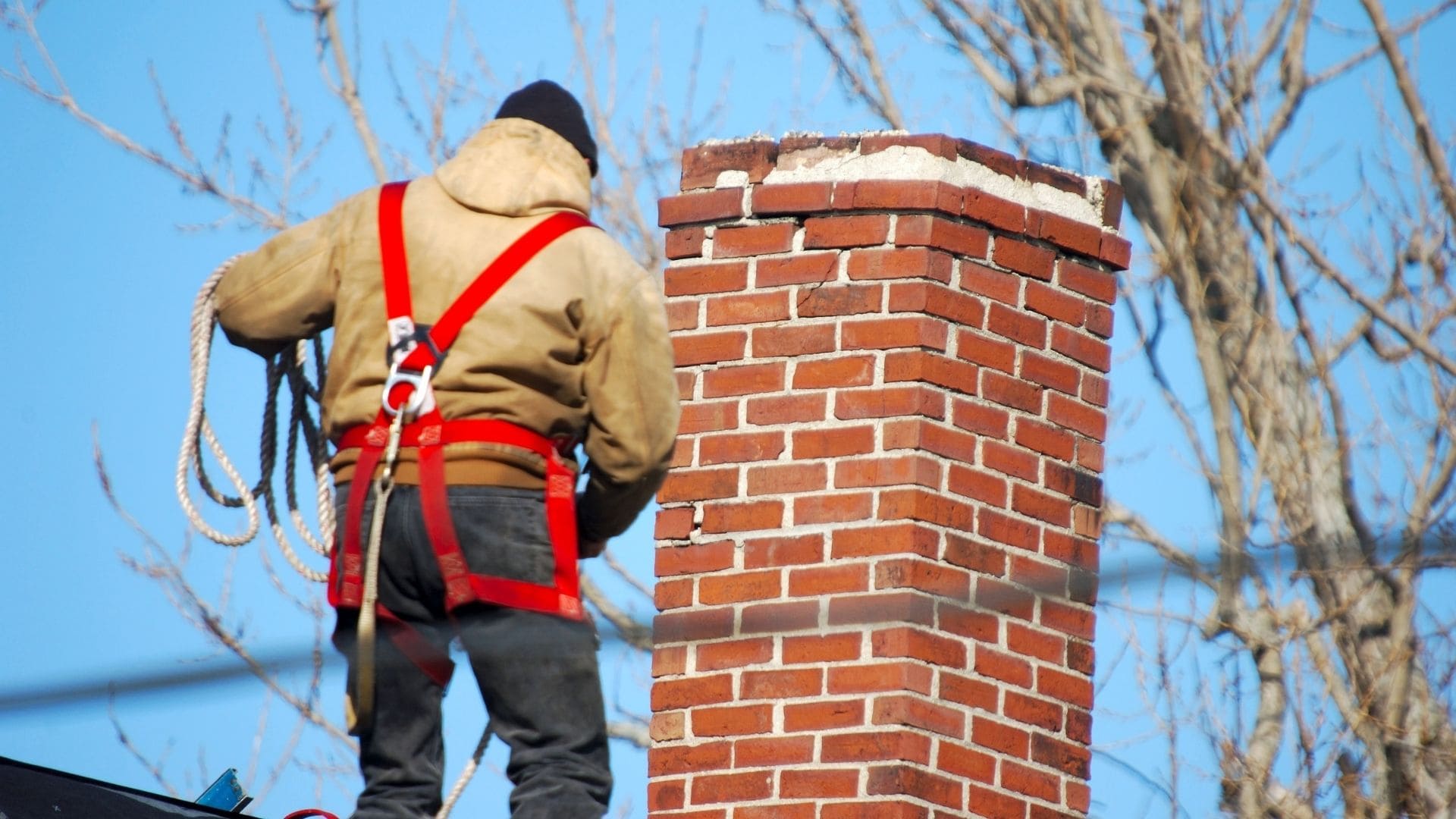
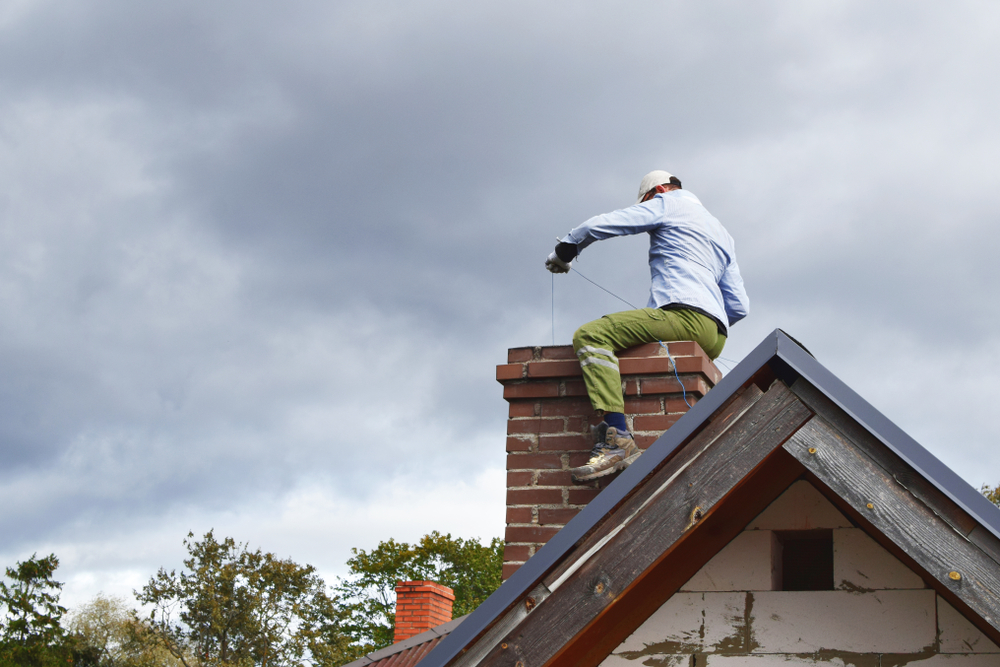
When a CSIA-certified technician performs a Level 2 inspection, they’re working through a defined scope — not improvising. Starting from the outside, that means examining the chimney crown, cap, flashing at the roof junction, and the visible masonry for signs of cracking, spalling, or water damage.
In a coastal county like Norfolk County — where towns like Cohasset, Hingham, and Weymouth sit close enough to the water to deal with salt air and elevated humidity — metal components like caps and flashing corrode faster than they do inland. That’s not a generalization; it’s something we see regularly on South Shore properties.
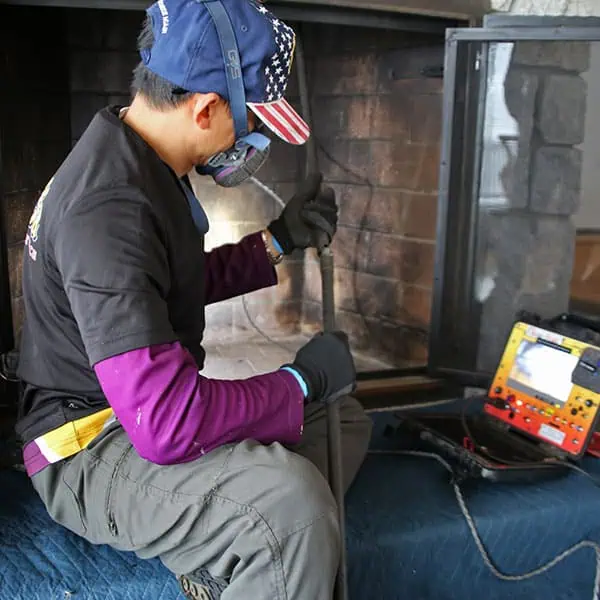
Inside, the inspection covers the firebox, the smoke chamber, the damper, and the throat. Then the camera goes in. High-resolution video scanning of the full flue interior is what makes Level 2 what it is — it reveals cracked tile sections, offset joints, missing mortar, and creosote deposits that have built up to a dangerous stage. The footage is documented and included in the written report.
If the chimney passes through an attic or crawl space — which is common in older Norfolk County homes with complex rooflines — those areas are physically accessed and inspected as well. Any appliances connected to the chimney, including furnace flues and gas venting, are also examined.
When the inspection is complete, you receive a written report with photographs that clearly identifies what was found, what needs attention, and how urgently. Not every finding is an emergency. A good inspection report tells you what needs to be addressed before the fireplace is used again, what can be monitored over time, and what’s simply a cosmetic issue. That kind of clarity is what makes the inspection useful — not just as a safety check, but as a decision-making tool.
These two services are related but not the same, and it’s worth understanding how they connect before you schedule anything.
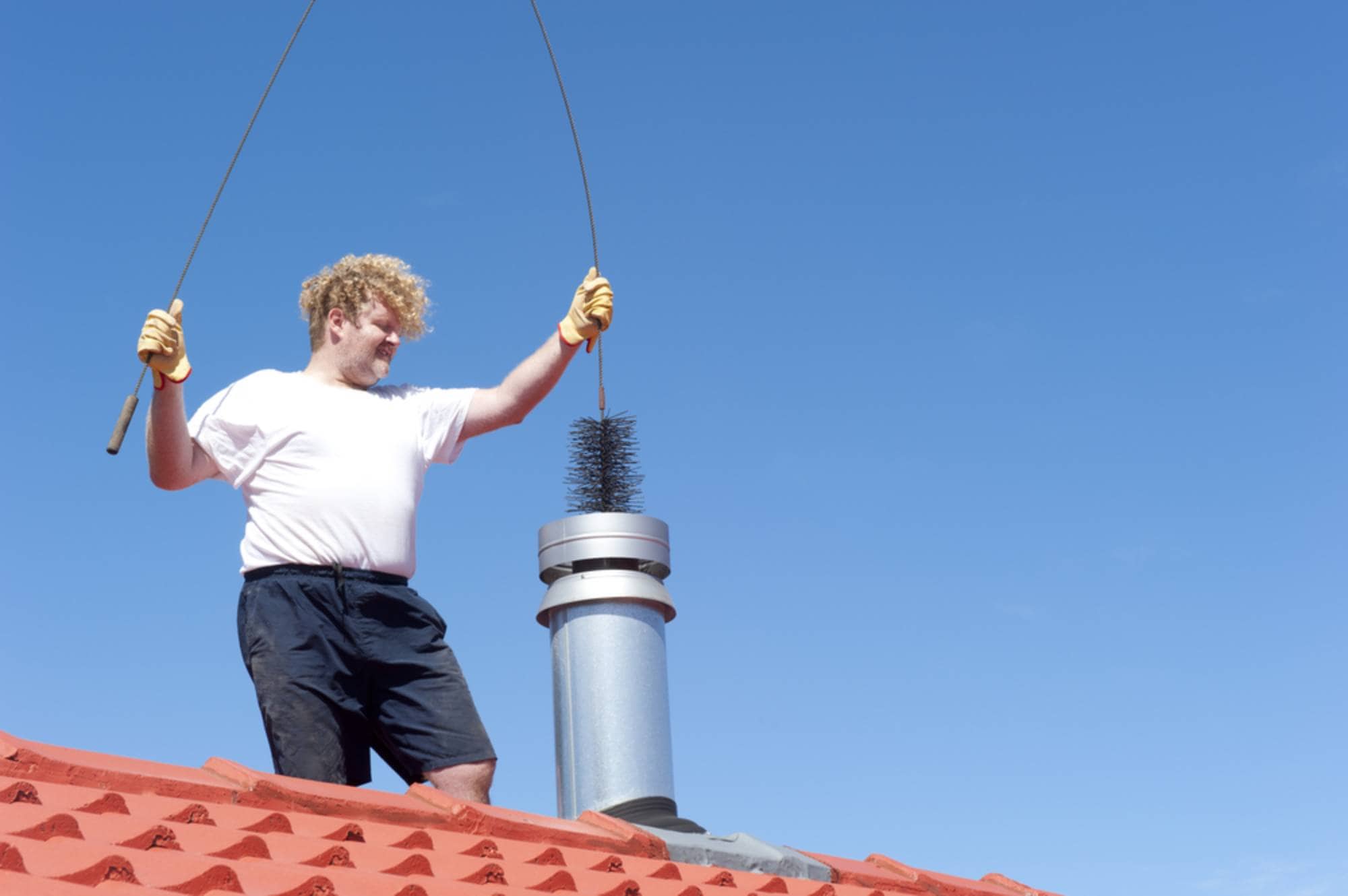
A chimney inspection — at any level — is diagnostic. Its job is to assess the condition of the chimney system: the structure, the liner, the components, and whether everything is safe and functioning as it should. It tells you what’s there and what’s wrong. A chimney cleaning, on the other hand, is maintenance. It removes creosote deposits, soot, debris, and any blockages from the flue. It doesn’t assess structural condition — it addresses buildup.
The two often go together, but they serve different purposes. A Level 2 inspection may reveal that cleaning is urgently needed — stage-three creosote, for example, is a fire hazard that requires immediate attention before the fireplace can safely be used. Or it may show that the flue is clean but the liner has a crack that needs repair. Or both. Or neither.
For homebuyers in Norfolk County, the inspection typically comes first — before cleaning, before use, and ideally before closing. If the inspection finds issues, those findings inform what happens next: whether that’s a cleaning, a liner repair or replacement, a crown rebuild, or something else.
We don’t separate the inspection from the conversation about what comes after. If the camera finds a problem, we explain what it is, what it means, and what your options are — including cost — before you’re expected to make any decisions. We carry multiple liner brands — Ventinox, HeatShield, and Golden Flue Masonry Liner — specifically so that if a liner replacement is needed, the recommendation is based on what’s right for that chimney, not on what we happen to have in the truck.
Our in-house sheet metal shop means that if the inspection turns up a damaged or missing chimney cap, we can fabricate a custom-fit replacement rather than ordering a generic one that may not properly seal the flue. That full-service capability matters when you’re on a timeline — which most homebuyers in Norfolk County are.
If you’re buying a home, changing heating systems, or dealing with the aftermath of a chimney event, a Level 2 inspection isn’t optional under NFPA 211 — it’s the standard. And it needs to be performed by a CSIA-certified technician with video scanning equipment, not a generalist with a flashlight.
Above and Beyond Chimney Service has been serving Norfolk County and the South Shore for over 25 years. Our technicians are CSIA-certified and NCSG members, and every Level 2 inspection includes full video scanning of the flue interior and a written report with photographs. Level 2 inspections typically range from $200 to $600, depending on the chimney configuration.
If you’re working against a closing deadline or need answers quickly, call or text us at 1-781-635-9582. We’ll tell you what we find — straightforwardly, without pressure — and give you clear options for what comes next.
Article details:
Share:
Continue learning: