Annual chimney inspections aren't optional maintenance—they're your defense against house fires, carbon monoxide exposure, and insurance claim denials that could cost you everything.
Share:
A real chimney inspection isn’t someone glancing up your flue with a flashlight. It’s a systematic evaluation of every component that keeps fire and smoke where they belong—outside your home, not inside your walls.
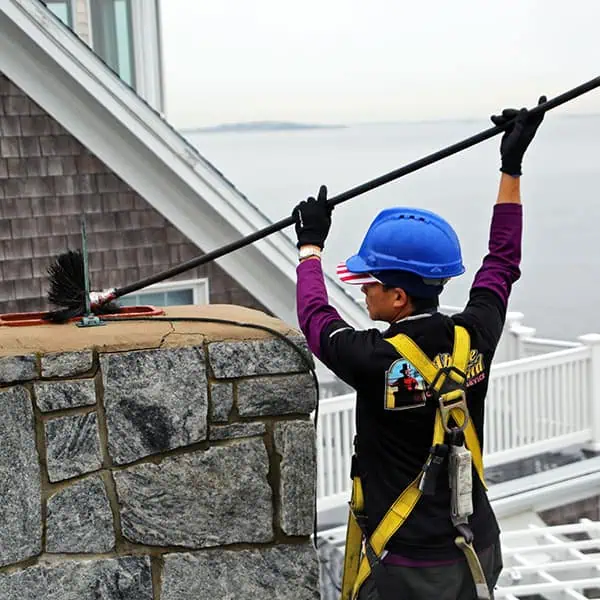
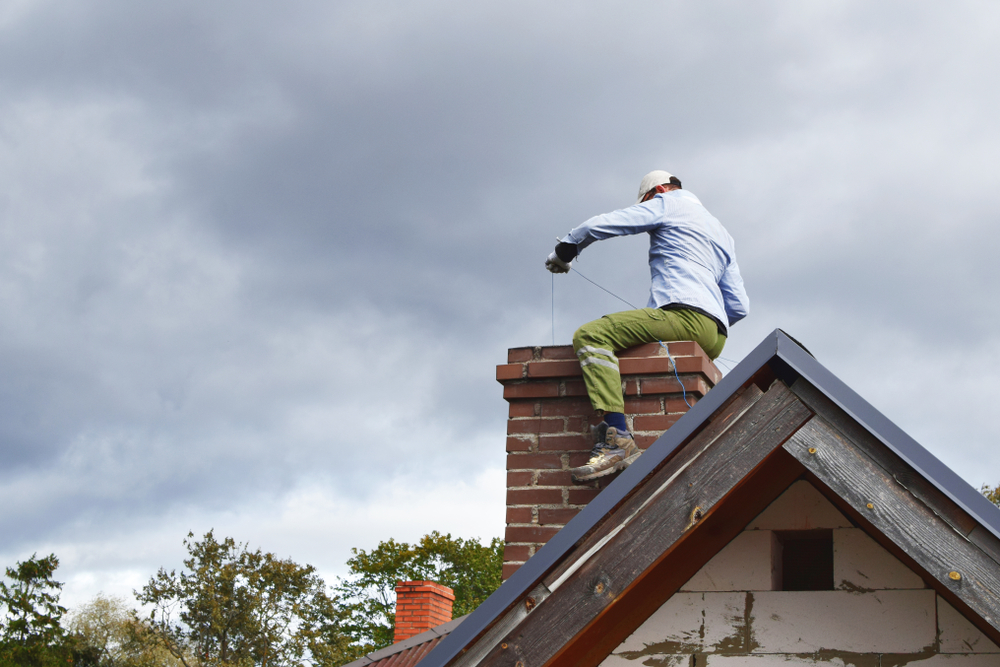
The process starts with your chimney’s exterior. We check the crown for cracks, examine the cap for damage or missing pieces, and look at the flashing where your chimney meets the roof. In Bristol County, where coastal moisture and freeze-thaw cycles are relentless, these areas fail faster than most homeowners realize.
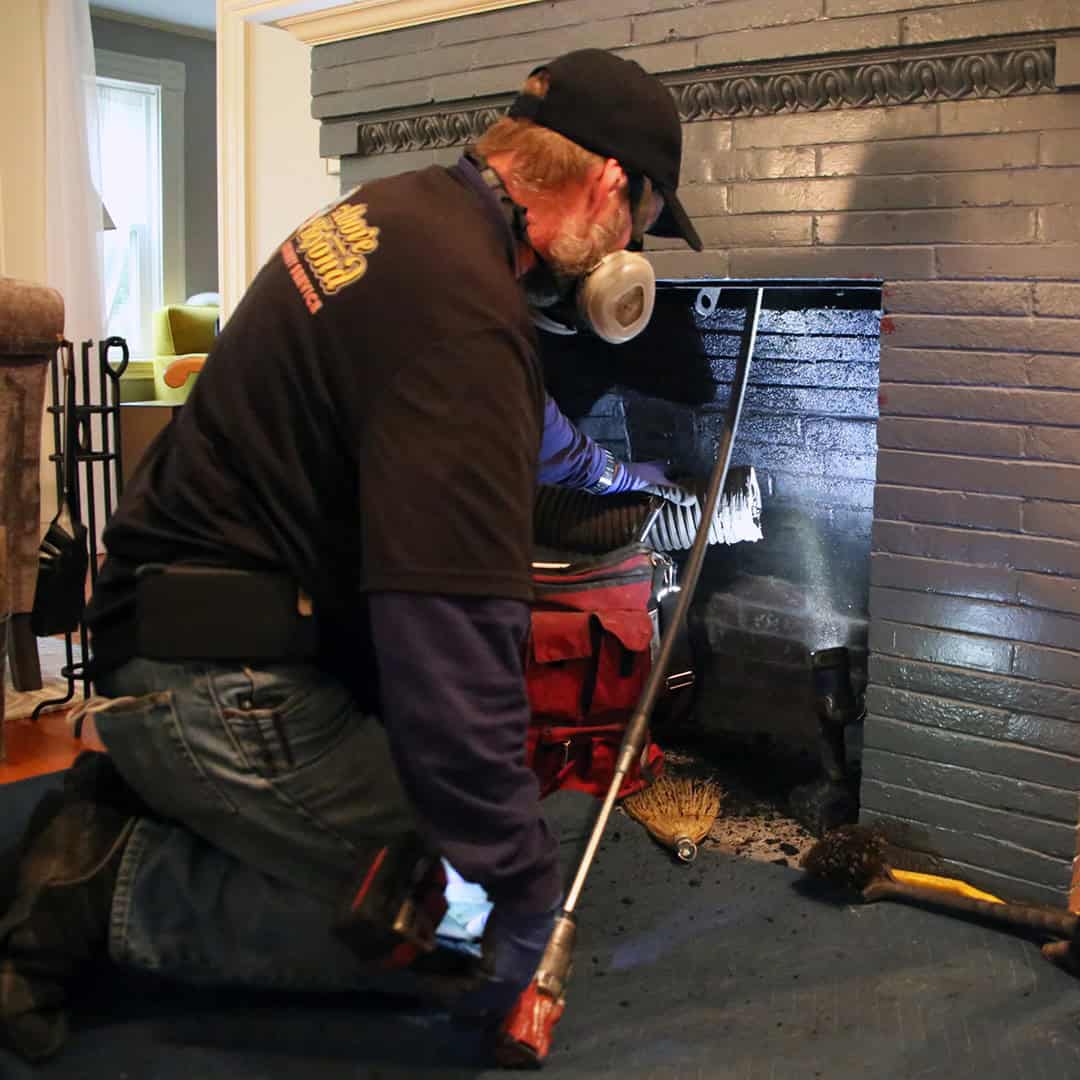
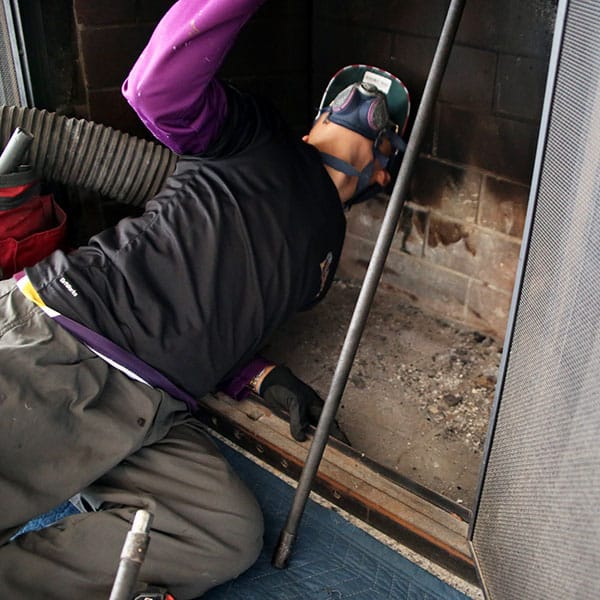
Inside, the inspection moves to your firebox, damper, and smoke chamber. Then comes the part most people never see: a camera inspection of your flue liner. This reveals cracks, deterioration, creosote thickness, and blockages that are completely invisible from either end of your chimney. Without this camera work, you’re guessing about the condition of the most critical safety component in your entire system.
Not all inspections are created equal, and understanding the difference matters for both your safety and your wallet.
A Level 1 inspection is your standard annual checkup. It covers all the readily accessible parts of your chimney—the stuff an inspector can see and reach without removing anything or using invasive methods. This includes visual examination of your firebox, damper, chimney exterior, and a camera inspection of the flue interior. If you’ve been using your fireplace normally and nothing has changed about your system, Level 1 is what you need. It typically runs $100-$250 in Massachusetts.
Level 2 inspections dig deeper. They’re required when you’re buying or selling a home, after a chimney fire, following severe weather damage, or when you’ve changed fuel types or installed new appliances. This inspection includes everything in Level 1, plus examination of attic spaces, crawl areas, and other concealed locations where chimney problems hide. Video scanning of the flue is standard, not optional. Expect to pay $250-$600 depending on your chimney’s complexity.
Massachusetts real estate transactions typically require Level 2 inspections. If you’re selling your Bristol County home and can’t produce a recent inspection report, you’re handing buyers leverage to negotiate repairs or walk away entirely. The inspection protects both parties by documenting exactly what condition the chimney is in before money changes hands.
Here’s what most people don’t realize: even if you only need a Level 1 inspection this year, the findings might reveal issues that require a Level 2 follow-up. A crack spotted on camera, signs of water intrusion, or structural concerns can’t be fully assessed without that deeper investigation. The initial inspection tells you what’s visible; the follow-up tells you how bad it really is.
The National Fire Protection Association sets the standards for these inspection levels, and they’re not arbitrary. They’re based on decades of fire investigation data showing exactly where chimney failures occur and how to catch them before they cause harm. Insurance companies know this, which is why many now require documented annual inspections to maintain coverage.
Bristol County’s location creates a perfect storm for chimney deterioration. You’re dealing with coastal moisture from proximity to Rhode Island and the Atlantic, combined with the freeze-thaw cycles that define New England winters.
Here’s how this destroys chimneys: water penetrates your masonry during rain or snow. When temperatures drop below freezing—which happens repeatedly throughout winter—that water expands. The expansion creates cracks in mortar joints and causes brick faces to spall off in sheets. Come spring, more water enters through those new cracks, and the cycle accelerates.
Your chimney crown takes the worst of it. This concrete cap at the top of your chimney is designed to shed water, but freeze-thaw cycles crack it faster than almost any other component. Once the crown fails, water pours directly into your chimney structure, damaging the flue liner, smoke chamber, and eventually your home’s interior walls.
Coastal salt exposure adds another layer of damage. Salt-laden air accelerates mortar deterioration, particularly on the windward side of your chimney. You’ll see this as white staining (efflorescence) on the exterior bricks—a sign that moisture is moving through your masonry and carrying dissolved salts to the surface.
The types of wood commonly burned in this region create specific creosote patterns too. We recognize these patterns and know where buildup concentrates in local chimneys. An inspector from outside the area might miss accumulations that we spot immediately.
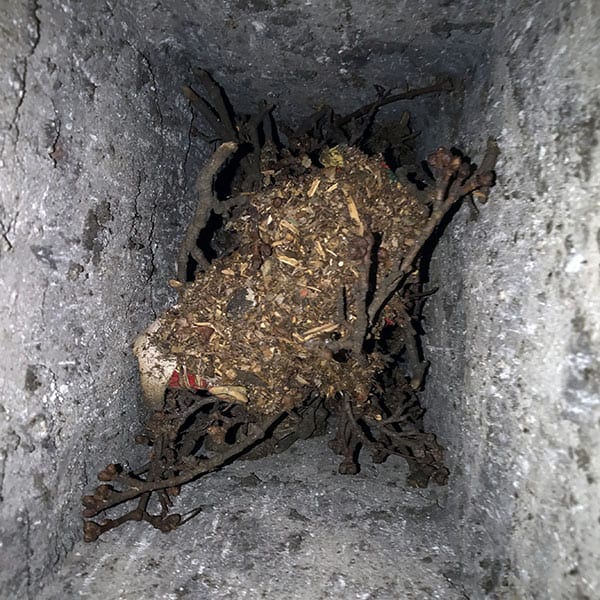
Animals present another regional challenge. Squirrels, raccoons, and chimney swifts all seek shelter in unused flues. Their nesting materials are combustible and create blockages that prevent proper venting. When you light your first fire of the season without knowing about these obstructions, smoke backs up into your home—or worse, the nest material ignites inside your chimney.
Massachusetts building codes recognize these regional factors. That’s why the state takes chimney safety seriously and why local inspectors know exactly what to look for in Bristol County homes. Your chimney isn’t just fighting time and use; it’s fighting a climate that actively works to break it down.
The inspection costs $150-$250. The consequences of skipping it cost thousands—or everything.
Start with insurance. Many homeowners policies now require documented annual chimney maintenance to cover fire damage. If you file a claim after a chimney fire and can’t produce inspection records, your insurer can deny the entire claim. That’s not a maybe; it’s standard practice. You’re left covering tens of thousands in fire damage, smoke remediation, and temporary housing because you saved $200 on an inspection.
Then there’s the fire risk itself. Over 25,000 chimney fires occur annually in the United States, causing more than $125 million in property damage. Between 2014 and 2018, fireplaces and chimneys were responsible for 3 out of every 10 house fires. The leading cause? Failure to keep equipment clean—exactly what inspections catch before it becomes catastrophic.
Insurance policies are written in language that protects insurers, not homeowners. Buried in the fine print are maintenance requirements that most people never read until they’re filing a claim.
Here’s how it typically plays out: You have a chimney fire. The fire department responds and contains it to the chimney, but there’s smoke damage throughout your home, the flue liner is destroyed, and the masonry needs rebuilding. You file a claim for $15,000-$30,000 in repairs. The insurance adjuster asks for your chimney maintenance records.
You don’t have any. You’ve never had the chimney inspected since you bought the house five years ago. The adjuster notes this and sends an inspector who confirms creosote buildup was the cause—a preventable issue that annual inspections would have caught. Your claim is denied for failure to maintain the property.
Some policies are more explicit than others about inspection requirements, but the principle is universal: insurance covers sudden, unexpected damage, not damage that results from neglect. If an insurer can demonstrate that regular maintenance would have prevented the problem, they will deny your claim.
Even if your policy doesn’t explicitly require annual inspections, the adjuster will still investigate whether you maintained your chimney properly. If the answer is no, they’ll argue the damage was preventable and therefore not covered. You end up in a dispute that’s expensive to fight and easy for them to win.
The solution is simple: keep records. Every inspection should come with a written report, photos of your chimney’s condition, and documentation of any issues found and addressed. This paper trail proves you’ve been responsible about maintenance. If something goes wrong despite your diligence, your insurer has no grounds to claim neglect.
Some homeowners try to save money by doing DIY inspections. This doesn’t satisfy insurance requirements. Insurers want documentation from certified professionals —people with CSIA credentials and the specialized equipment to properly assess chimney condition. Your photos and notes don’t count.
The cost-benefit analysis is stark: $150-$250 annually for documented professional inspection versus potential claim denial on damages that could exceed $50,000. Anyone who understands these stakes doesn’t skip inspections.
You can’t see creosote accumulation from your living room, and you can’t smell carbon monoxide at all. Both can kill you, and both are exactly what chimney inspections are designed to catch.
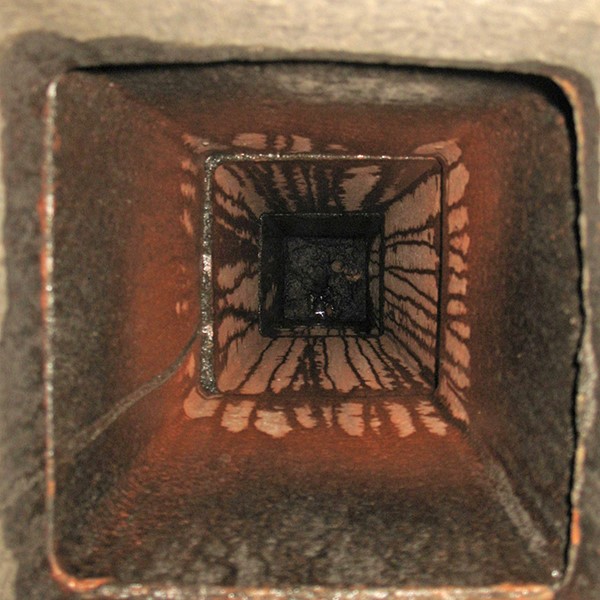
Creosote forms when wood smoke cools inside your flue. It’s a tar-like substance that sticks to flue liner walls and accumulates with every fire you burn. In its early stages, it’s a flaky deposit that’s relatively easy to remove. Left alone, it becomes a hard, glazed coating that’s extremely difficult to clean and highly flammable.
When creosote ignites, it burns at temperatures exceeding 2,000°F. Your flue liner—whether clay tile or metal—wasn’t designed to handle that kind of heat. The liner cracks, allowing flames and heat to reach combustible materials in your walls and attic. What started as a chimney fire becomes a house fire in minutes.
The National Fire Protection Association identifies creosote buildup as the leading cause of chimney fires. It’s also completely preventable. Annual inspections measure creosote thickness and determine when cleaning is necessary. The standard is simple: if you’ve got 1/8 inch of buildup, it’s time to clean. Most homeowners have no idea how much creosote they’re accumulating until we show them camera footage of their flue interior.
Carbon monoxide is the other silent threat. This gas is produced whenever you burn fuel—wood, gas, oil, whatever. Your chimney’s job is to vent it safely outside. When your flue liner has cracks, your damper doesn’t seal properly, or blockages restrict airflow, carbon monoxide backs up into your living space instead.
You won’t know it’s happening. Carbon monoxide is colorless and odorless. The symptoms—headache, dizziness, nausea—are easy to mistake for flu or fatigue. By the time you realize something’s wrong, you’ve been breathing poison for hours or days. Severe exposure causes permanent brain damage or death.
Chimney inspections check for the conditions that allow carbon monoxide intrusion. We test damper seals, look for cracks in flue liners, verify proper draft, and check for blockages. We’re also looking at the overall ventilation system to ensure your fireplace isn’t competing with exhaust fans or HVAC systems that can create negative pressure and pull gases back into your home.
Massachusetts has specific building codes addressing carbon monoxide safety, and for good reason. The state sees hundreds of carbon monoxide incidents annually, many related to heating equipment and chimneys. Detectors are required by law, but they’re your last line of defense—the alarm that goes off when everything else has already failed. Proper chimney maintenance is your first line of defense, preventing the conditions that would ever trigger that alarm.
We also check for less obvious carbon monoxide risks. Improper liner sizing for your appliance, insufficient combustion air, and even nearby tree growth that disrupts your chimney’s draft—these are issues that homeowners never think about but that trained eyes catch routinely.
Spring and early summer are when smart homeowners book their inspections. You’re ahead of the fall rush when everyone suddenly remembers their chimney exists, and you have time to address any issues before heating season starts.
Waiting until October means you’re competing with hundreds of other Bristol County homeowners for limited appointment slots. If the inspection reveals problems—a cracked liner, damaged crown, or excessive creosote—you’re facing rushed repairs or going without your fireplace for part of winter. Schedule in May or June, and you’ve got months to handle repairs at your convenience.
The annual inspection isn’t optional maintenance you can skip when money’s tight. It’s the difference between a $200 checkup and a $20,000 emergency, between insurance coverage and claim denial, between a safe home and a catastrophic fire. We understand what’s at stake for Bristol County homeowners and why transparent, thorough inspections matter more than sales pitches.
Your chimney is either safe or it isn’t. The only way to know for certain is to have it inspected by someone who knows what they’re looking at.
Article details:
Share:
Continue learning: