Most homeowners book a chimney cleaning thinking it's a simple sweep. What actually happens during a professional visit covers a lot more ground than that.
Share:
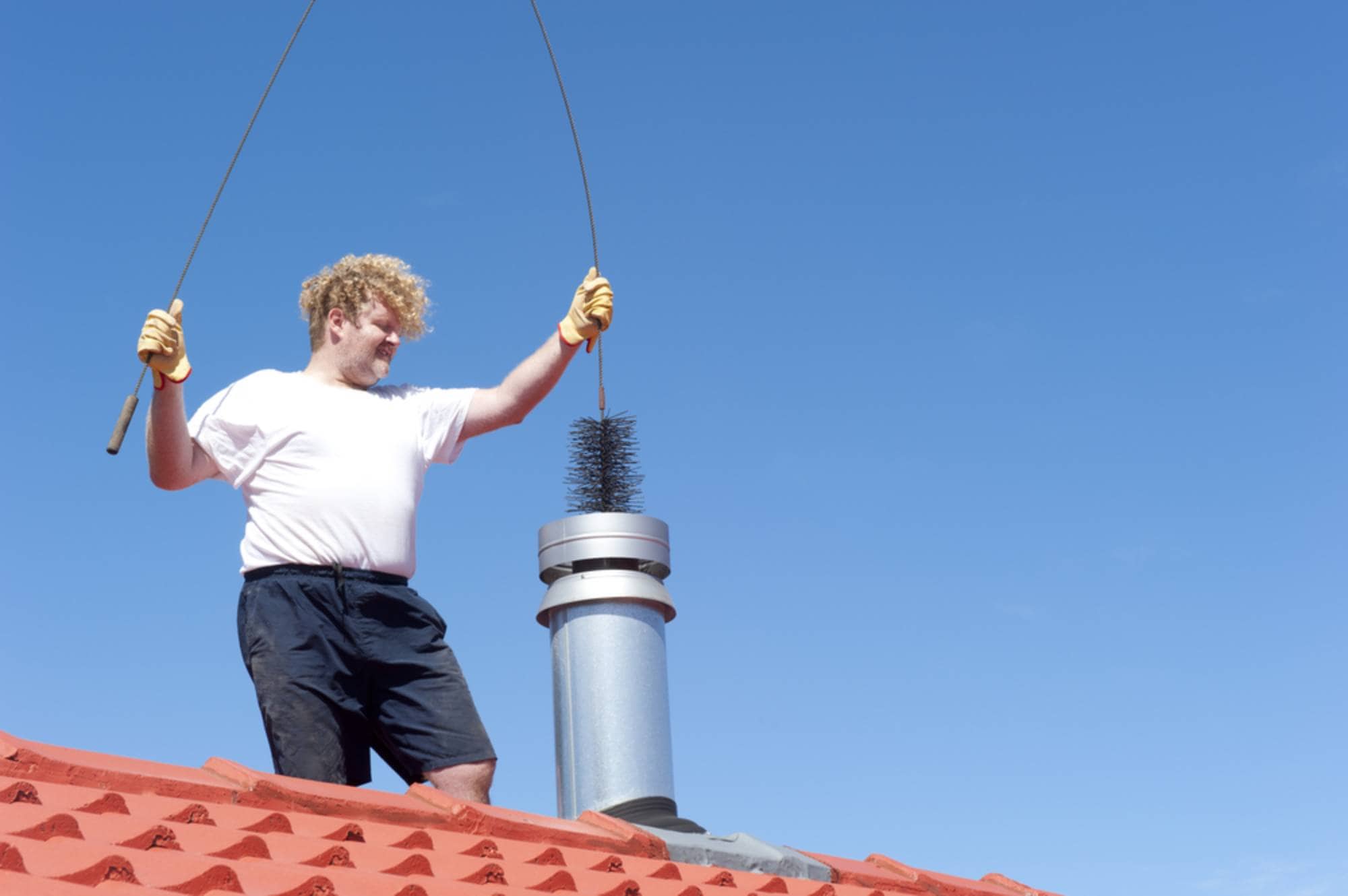
Most people search “chimney cleaning service” thinking they’re booking someone to brush out some soot and call it a day. That’s understandable — it’s what the name implies. But what actually happens during a professional chimney cleaning appointment covers a lot more ground than that, and the difference between a surface sweep and a thorough service visit is exactly where fire risk hides.
If you’re a homeowner in Norfolk County — whether you’re in Dedham, Milton, Norwood, Wellesley, or anywhere along the I-95 corridor — this guide is written for you. Here’s what a real chimney cleaning service includes, what it costs, and what questions are worth asking before you book.
When a certified chimney technician from Above and Beyond Chimney shows up at your door, we’re not just there to run a brush through the flue. A proper chimney cleaning and inspection covers the firebox, the smoke chamber, the damper, the flue liner, the chimney cap, the crown, and the exterior masonry — each one a separate component, each one with its own failure modes.
The flue gets the most attention because that’s where creosote accumulates, but it’s far from the only thing that matters. A cracked chimney crown lets water in. A stuck or corroded damper traps smoke. A missing or ill-fitting cap is an open invitation for birds, squirrels, and moisture — all three of which we find regularly in Norfolk County homes, especially after a hard winter.
Chimney cleaning and inspection are related but not the same thing. Cleaning removes what’s built up. Inspection assesses what’s there. We do both on the same visit, and you’ll receive a written report with photographs when it’s done.
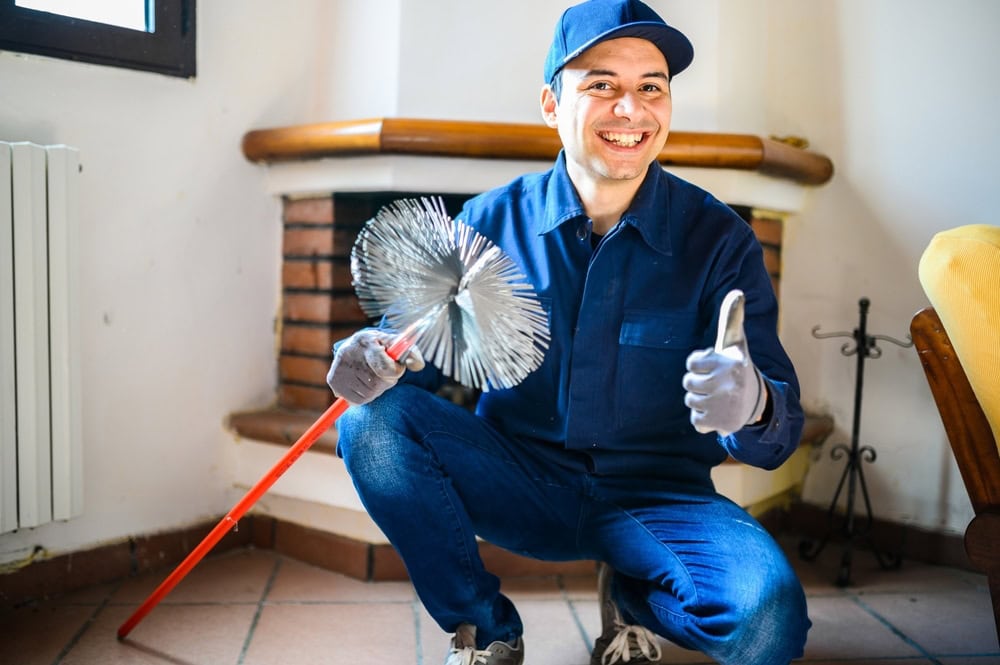
A professional chimney cleaning starts before the brush comes out. Our technician will do a preliminary visual assessment of the firebox and accessible flue areas to understand what we’re working with — how much buildup is present, what type of creosote it is, and whether there are any visible structural concerns that need to be noted before cleaning begins.
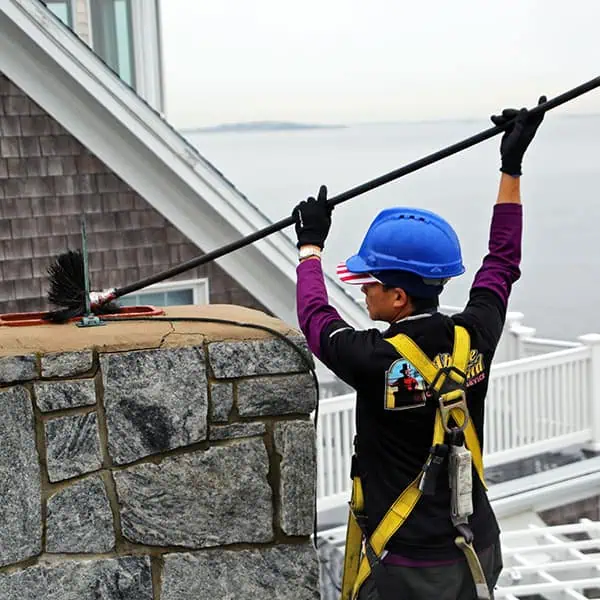
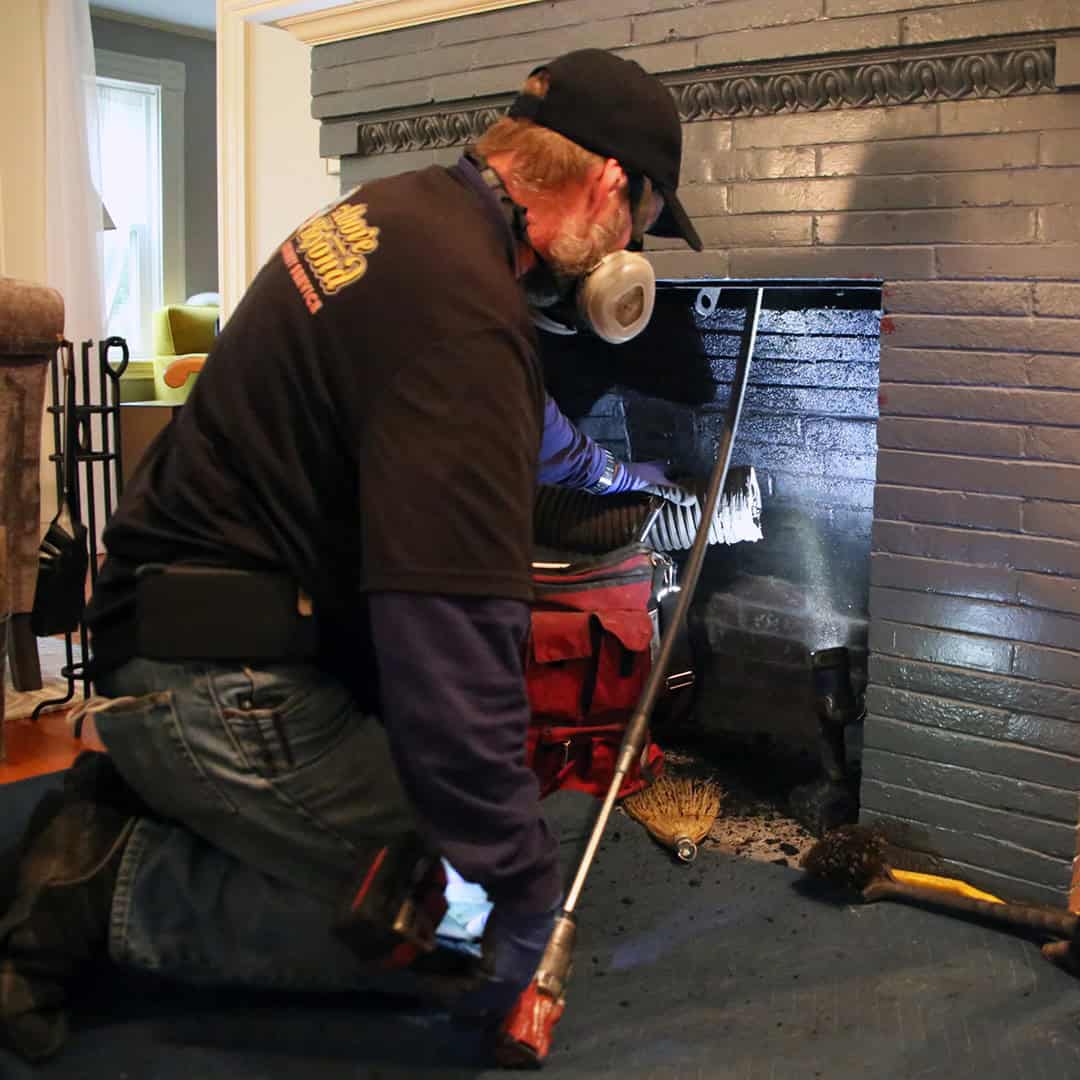
From there, the actual cleaning process involves power sweeping the flue from top to bottom using brushes sized specifically to your flue’s dimensions. Vacuum systems run simultaneously to contain soot and debris so it doesn’t settle into your home. This isn’t a one-size-fits-all process — the brush size, the technique, and the number of passes all depend on your chimney’s dimensions and the degree of buildup.
After the flue is cleared, we inspect the smoke chamber — the funnel-shaped area just above the firebox that directs combustion gases upward. This area is often overlooked in lesser-quality cleanings, but it’s a common site for creosote accumulation and mortar deterioration, particularly in older homes. In Norfolk County, where a significant portion of the housing stock dates to before 1960, smoke chambers built with original materials are frequently in need of attention.
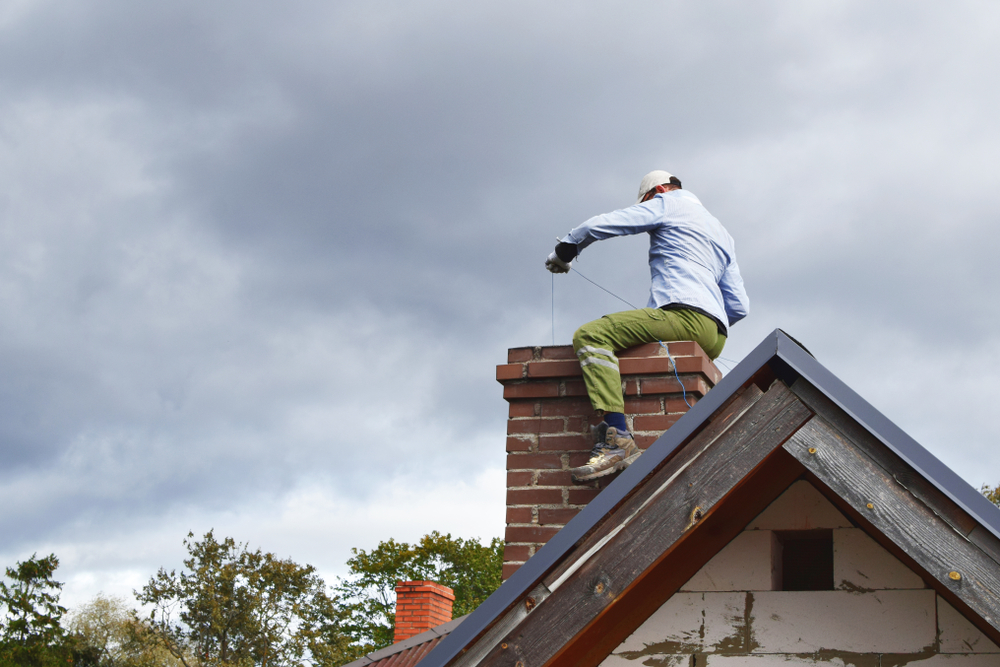
The damper gets checked for proper operation and seal. The firebox is examined for cracked firebricks or deteriorating mortar joints. The cap and crown are inspected — ideally with a camera — to confirm there’s no water intrusion, animal activity, or structural damage that wasn’t visible from the ground. When everything checks out, you get a written report. When something needs attention, you get photographs and a straight explanation of what was found and why it matters.
That’s what a thorough fireplace chimney cleaning visit actually looks like. If a company shows up, runs a brush through the flue in twenty minutes, and leaves without a report, that’s not the same service — regardless of what it’s called on the invoice.
The camera inspection is where a lot of the real information lives. A visual check from the firebox or the roofline can catch obvious problems, but the interior of a flue liner — especially a clay tile liner in a pre-1950 home — can have cracks, gaps, and deteriorated sections that are completely invisible without a camera system running through it.
In Norfolk County, this matters more than people expect. Homes in Milton, Dedham, and Brookline often have original clay tile liners that have been through decades of heating cycles, freeze-thaw stress, and moisture exposure. Clay tile is durable when it’s intact, but once it starts cracking — which it does, gradually, over time — the liner is no longer doing its job of containing combustion gases and protecting the surrounding masonry from heat.
A camera inspection during a fireplace cleaning inspection visit gives you a documented record of your liner’s condition. If the liner is sound, you leave with confidence. If it’s showing wear, you have photographs that explain exactly what’s happening and what your options are. The three liner brands we work with — Ventinox, HeatShield, and Golden Flue Masonry Liner — each suit different chimney types and fuel sources, which is why having that camera documentation first matters so much. You don’t want to be recommended a liner based on what a company happens to stock. You want a recommendation based on what your chimney actually needs.
The camera also confirms that cleaning was complete. After sweeping, a camera pass verifies that no debris was left behind and that the flue is clear from top to bottom. It’s the verification step that separates a professional service from a quick sweep.
NFPA 211 — the national standard for chimney and fireplace safety — defines three distinct levels of chimney inspection. Most homeowners have heard the term “chimney inspection” without knowing that what they’re booking, what they need, and what their real estate agent is requiring might be three completely different things.
Understanding the levels isn’t complicated, and it directly affects what you should expect to pay and what the technician will actually do during the visit. Here’s how they break down in plain terms.
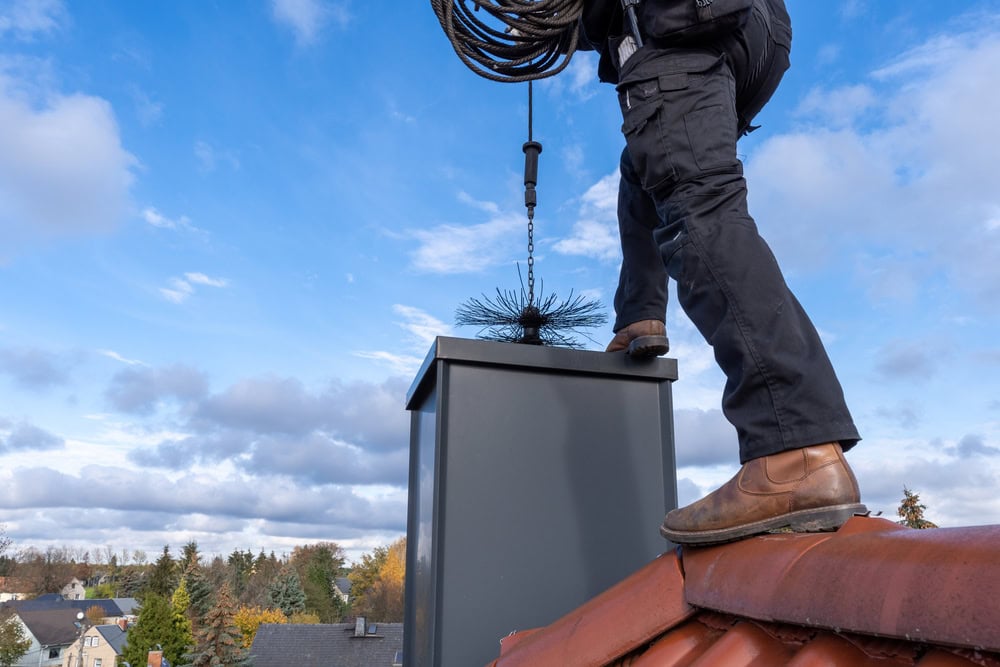
A Level 1 chimney inspection is what most homeowners need most of the time. It covers all accessible areas of the chimney system — the firebox, the accessible flue, the exterior masonry, the cap, the crown, and the connections to any heating appliances — and confirms that the system is structurally sound, free of obstruction, and safe for continued use.
NFPA 211 Section 14.2.1 is explicit: chimneys must be inspected at least once per year, regardless of fuel type. That applies to wood-burning fireplaces, gas fireplaces, oil furnaces, and wood stoves alike. The annual requirement isn’t arbitrary — it’s based on the reality that even well-maintained systems accumulate buildup and experience wear that isn’t visible to the homeowner.
For most Norfolk County homeowners who use their fireplace regularly and haven’t made any changes to their heating system, a Level 1 inspection combined with a cleaning is the right annual service. Our published range for a standard chimney cleaning in Norfolk and Plymouth County is $150 to $300, depending on the chimney’s size and condition. A Level 1 inspection typically runs $100 to $250.
One thing worth knowing: a Level 1 inspection does not include a camera scan of the flue interior. It covers what’s accessible and visible. If you have reason to suspect liner damage — or if you’re buying or selling a home — you need a Level 2.
A Level 2 fireplace inspection is required any time there’s been a change to the system — a new appliance, a different fuel type, a chimney fire, or severe weather damage. It’s also the standard requirement for real estate transactions in Massachusetts. If you’re buying or selling a home in Dedham, Norwood, Stoughton, Canton, or anywhere else in Norfolk County, there’s a good chance your real estate agent has already mentioned it.
The key difference between Level 1 and Level 2 is the camera. A Level 2 inspection includes a video scan of the full flue interior, which allows our technician to assess the liner condition in areas that aren’t accessible any other way. This is where hidden cracks, mortar gaps, and deteriorated sections get documented — the things that don’t show up in a visual check from the firebox or the roofline.
A Level 2 fireplace inspection also covers attic spaces, crawl spaces, and other accessible areas adjacent to the chimney — anywhere the system passes through the structure of the home. This broader scope is why it’s required for home sales: a buyer deserves to know the full condition of the chimney system before closing, not just what’s visible from the hearth.
The NFPA 211 level 2 inspection standard was adopted on January 13, 2000, and has been the benchmark for real estate transactions and post-event assessments ever since. If a company tells you a standard cleaning satisfies a real estate requirement, that’s not accurate — a Level 2 with camera documentation is what’s required.
For homeowners who’ve recently been through a Nor’easter — the kind of storm that can dislodge caps, crack crowns, and compromise flashing in a single night — a Level 2 is the right call even outside of a home sale context. Norfolk County winters are hard on masonry, and post-storm inspections catch damage before it becomes a much more expensive problem.
A Level 3 chimney inspection is reserved for situations where serious structural damage is suspected and can’t be assessed any other way. It may involve removing components — a chimney crown, sections of interior wall — to access hidden areas. It’s uncommon, but when it’s needed, it’s necessary. We’ll always tell you clearly if a Level 3 is warranted and why.
Article details:
Share:
Continue learning: